Category: Comment

  • Peace TV saga & absence of rule of law

    Peace TV saga & absence of rule of law

    The Peace TV saga after the Dhaka terrorist attack just before Eid and the brouhaha created over availability of an unlicensed channel in Indian television homes highlights yet again rules and regulations have to be applied uniformly and stringently.

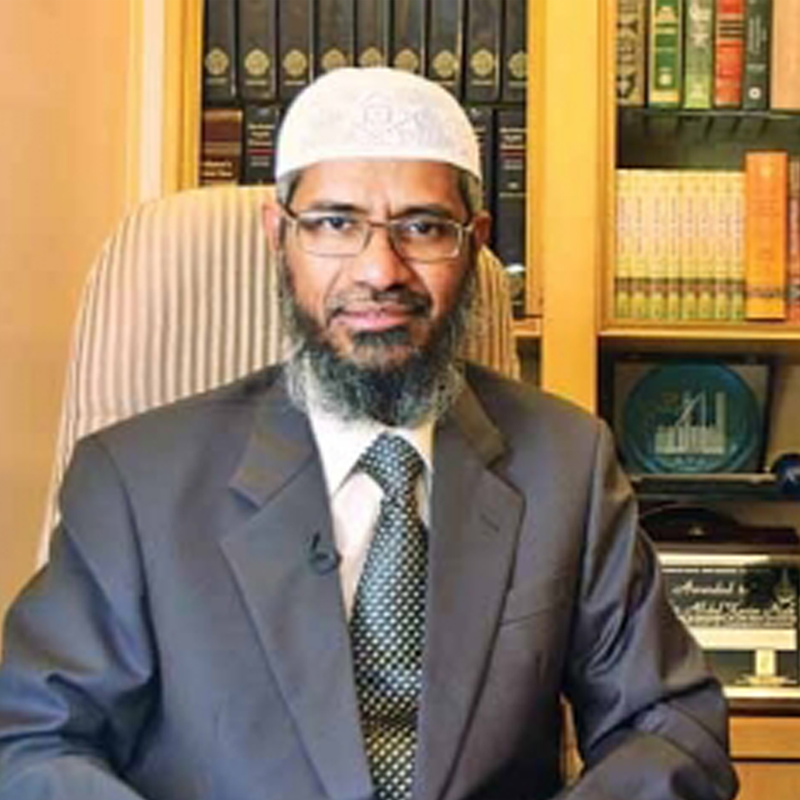
    The Indian government woke up suddenly issuing gag orders on distribution platforms when the general media in the country went to town regarding Peace TV. The media alleged Peace TV and the Mumbai-based Islamic tele-evangelist Zakir Naik’s sermons aired on the channel could have instigated the Bangladeshi terrorists. All these allegations were based on some interpretation of a report in a Bangladeshi newspaper.

    That the Bangla newspaper subsequently clarified its report stating categorically that it had never said the terrorists were `inspired’ by Naik’s sermons is a completely another story because the Indian media, by and large news channels, ignored the clarification.

    However, the fact stands that Peace TV is not licensed to air in India and had been denied landing rights by the Indian government several times in the past. Still, the channel was available on Indian networks and the sermons online.

    Similarly, several Pakistani TV channels too are available in some parts of the country (crackdown on illegal retransmissions do happen from time to time, government officials insist) as also Chinese radio stations in border areas.

    So, the question is: how come an unlicensed TV channel officially denied permission to broadcast in India was still reaching Indian TV homes?

    The answer lies in apparent laxity in implementing and upholding existing regulations on the part of Indian policy-makers, regulators and law enforcing agencies. In some cases it may also be local-level indulgences despite knowing that a certain regulation had been breached.

    Because in India most such issues boil down to majority vs. minority yardstick with the victimisation syndrome kicking in — all in the name of certain democratic rights — regulatory breaches are overlooked or rule of the law not enforced. Until one such breach kicks up crap all round; like the Peace TV affair recently did.

    Historically speaking, as India opened up to satellite TV revolution from early 1990s and rules were lax (downlink licence or landing rights were terms not known to Indian policy-makers then) many TV channels invaded the Indian skies and homes. Some of them were bad (read propagandist), some indifferent, but largely most were entertaining.

    As successive Indian governments woke up to the power of TV propaganda in whipping up unpalatable frenzy and jingoism, Ministry of Information and Broadcasting (MIB) started formulating rules and regulations to isolate TV channels, mostly uplinked from outside India, from entering Indian homes via cable or other distribution platforms, which were perceived as not conducive for India.

    One such historic policy drafting also saw a Broadcast Bill being introduced in Parliament in 1996 where the draft stated that certain categories of organisations (like political parties, NGOs, religious bodies, advertising agencies, etc) would be barred from owning and running TV channels.

    The Bill never got enacted into a law and since then half-hearted attempts by other governments to bring similar Bills in Parliament failed to get necessary traction; mostly owing to a superstitious belief that whichever government tries to regulate the broadcast sector went out of power in New Delhi.

    Historical incidents, notwithstanding, it has also been observed in India that any proposed regulation relating to cable and broadcast sector having the potential to affect powerful lobbies like political parties or religious bodies or their proxies get swept under the carpet.

    Take, for example, broadcast carriage regulator TRAI’s two recommendations on media ownership, made after wide consultations with stakeholders. I am told both the reports are gathering dust in some corner of MIB.

    Apart from suggesting many other things on the ownership issue, TRAI said in a set of recommendations in 2014, “…given that about six years have elapsed without any concrete action being taken by the Government, the Authority strongly recommends that its Recommendations of 12 November 2008 and 28 December 2012 may be implemented forthwith.”

    The regulator’s recommendations came after issues relating to media ownership issue and vertical monopoly were referred to it by MIB.

    Emboldened by the fact that MIB had put its weight behind it, TRAI (again) recommended in 2014 that political bodies, religious bodies, urban, local, panchayati raj, and other publicly funded bodies, Central and State government ministries, departments, companies, undertakings, joint ventures, and government-funded entities and affiliates be barred from entry into broadcasting and TV channel distribution sectors.

    The regulator suggested exit routes for existing entities already into business, adding such a debarment could be implemented through an executive decision by incorporating the disqualifications into rules, regulations and guidelines as necessary.

    But by 2014, MIB had already licensed many news and religious/spiritual TV channels and distribution platforms owned/managed by political parties, religious bodies (in one case a temple’s management committee) and/or their proxies for operation at pan-India and State levels.

    And so, even the 2014 TRAI recommendations remain ignored, while at another level technology has outpaced or threatens to make obsolete the Indian process of policy making.

    A colleague, while outlining the potential of Facebook Live (and other such techs like Twitter’s Periscope), recently commented it’s matter of time when Facebook Live will kick into India, dipping into the country’s smart-phone user base (250 million on last count) to give birth to the possibility of “hundreds of news channels on FB dishing out unadulterated, independent updates of developments.” Very few in Indian government would be tracking developments like FB Live.

    In an age when technology is moving faster than policy-making, flat-footedness of Indian policy-makers and our general apathy towards rule of the law will hasten policy chaos resulting in arbitrary decisions being implemented.
  • Peace TV saga & absence of rule of law

    Peace TV saga & absence of rule of law

    The Peace TV saga after the Dhaka terrorist attack just before Eid and the brouhaha created over availability of an unlicensed channel in Indian television homes highlights yet again rules and regulations have to be applied uniformly and stringently.

    The Indian government woke up suddenly issuing gag orders on distribution platforms when the general media in the country went to town regarding Peace TV. The media alleged Peace TV and the Mumbai-based Islamic tele-evangelist Zakir Naik’s sermons aired on the channel could have instigated the Bangladeshi terrorists. All these allegations were based on some interpretation of a report in a Bangladeshi newspaper.

    That the Bangla newspaper subsequently clarified its report stating categorically that it had never said the terrorists were `inspired’ by Naik’s sermons is a completely another story because the Indian media, by and large news channels, ignored the clarification.

    However, the fact stands that Peace TV is not licensed to air in India and had been denied landing rights by the Indian government several times in the past. Still, the channel was available on Indian networks and the sermons online.

    Similarly, several Pakistani TV channels too are available in some parts of the country (crackdown on illegal retransmissions do happen from time to time, government officials insist) as also Chinese radio stations in border areas.

    So, the question is: how come an unlicensed TV channel officially denied permission to broadcast in India was still reaching Indian TV homes?

    The answer lies in apparent laxity in implementing and upholding existing regulations on the part of Indian policy-makers, regulators and law enforcing agencies. In some cases it may also be local-level indulgences despite knowing that a certain regulation had been breached.

    Because in India most such issues boil down to majority vs. minority yardstick with the victimisation syndrome kicking in — all in the name of certain democratic rights — regulatory breaches are overlooked or rule of the law not enforced. Until one such breach kicks up crap all round; like the Peace TV affair recently did.

    Historically speaking, as India opened up to satellite TV revolution from early 1990s and rules were lax (downlink licence or landing rights were terms not known to Indian policy-makers then) many TV channels invaded the Indian skies and homes. Some of them were bad (read propagandist), some indifferent, but largely most were entertaining.

    As successive Indian governments woke up to the power of TV propaganda in whipping up unpalatable frenzy and jingoism, Ministry of Information and Broadcasting (MIB) started formulating rules and regulations to isolate TV channels, mostly uplinked from outside India, from entering Indian homes via cable or other distribution platforms, which were perceived as not conducive for India.

    One such historic policy drafting also saw a Broadcast Bill being introduced in Parliament in 1996 where the draft stated that certain categories of organisations (like political parties, NGOs, religious bodies, advertising agencies, etc) would be barred from owning and running TV channels.

    The Bill never got enacted into a law and since then half-hearted attempts by other governments to bring similar Bills in Parliament failed to get necessary traction; mostly owing to a superstitious belief that whichever government tries to regulate the broadcast sector went out of power in New Delhi.

    Historical incidents, notwithstanding, it has also been observed in India that any proposed regulation relating to cable and broadcast sector having the potential to affect powerful lobbies like political parties or religious bodies or their proxies get swept under the carpet.

    Take, for example, broadcast carriage regulator TRAI’s two recommendations on media ownership, made after wide consultations with stakeholders. I am told both the reports are gathering dust in some corner of MIB.

    Apart from suggesting many other things on the ownership issue, TRAI said in a set of recommendations in 2014, “…given that about six years have elapsed without any concrete action being taken by the Government, the Authority strongly recommends that its Recommendations of 12 November 2008 and 28 December 2012 may be implemented forthwith.”

    The regulator’s recommendations came after issues relating to media ownership issue and vertical monopoly were referred to it by MIB.

    Emboldened by the fact that MIB had put its weight behind it, TRAI (again) recommended in 2014 that political bodies, religious bodies, urban, local, panchayati raj, and other publicly funded bodies, Central and State government ministries, departments, companies, undertakings, joint ventures, and government-funded entities and affiliates be barred from entry into broadcasting and TV channel distribution sectors.

    The regulator suggested exit routes for existing entities already into business, adding such a debarment could be implemented through an executive decision by incorporating the disqualifications into rules, regulations and guidelines as necessary.

    But by 2014, MIB had already licensed many news and religious/spiritual TV channels and distribution platforms owned/managed by political parties, religious bodies (in one case a temple’s management committee) and/or their proxies for operation at pan-India and State levels.

    And so, even the 2014 TRAI recommendations remain ignored, while at another level technology has outpaced or threatens to make obsolete the Indian process of policy making.

    A colleague, while outlining the potential of Facebook Live (and other such techs like Twitter’s Periscope), recently commented it’s matter of time when Facebook Live will kick into India, dipping into the country’s smart-phone user base (250 million on last count) to give birth to the possibility of “hundreds of news channels on FB dishing out unadulterated, independent updates of developments.” Very few in Indian government would be tracking developments like FB Live.

    In an age when technology is moving faster than policy-making, flat-footedness of Indian policy-makers and our general apathy towards rule of the law will hasten policy chaos resulting in arbitrary decisions being implemented.

  • Nice terror attack, Cannes and the Palais des Festivals

    Nice terror attack, Cannes and the Palais des Festivals

    The date: 14 July. The location: The Taj Mahal Hotel in Mumbai’s Colaba area. French consul general Yves Perrin plays host to businessmen, politicians, artistes, entertainment professionals, journalists like he does every year on Bastille Day to celebrate France’s National Day. Wine, champagne, and a mouth watering menu of French cuisine is rustled up by the Taj’s chefs and served to those who have a linkage with France. That’s of course after the customary playing of the French national anthem and the speech by the honorary counsel general. The evening proceeds well and late into the night as guests mingle and enjoy each other’s company.

    Some 4,000-odd miles away in the picturesque city of Nice in the south of France, the entire Palais des Anglais is choc-a-bloc with general members of the public. The mood is celebratory. The bright summer sky, and the azure blue sea, are what the French Riviera town is known and has drawn tens of thousands of tourists during the holiday period.

    The local Nice government has planned an evening of fireworks and music to celebrate France’s National Day. Tourists and locals have been looking forward to an evening of revelry and gaiety. The main street is cordoned off courtesy the roadblocks that have been erected. Young couples with their children in prams, some with their elderly parents, kids with their parents, groups of young are lounging about, walking around relaxed.

    Suddenly, a white truck comes down the crowded road, swaying from side to side, driven at 40-50 miles per hour in a zig-zag motion and bodies start to fly. A scramble starts as word gets around further down the Promenade that a killer is on the loose. In the meanwhile, scores are hit by the white truck; some die on the spot; some are critically injured.

    In a matter of a few more minutes, the police shoot and kill the driver of the truck. Before that, however, the manic truck has inflicted maximum damage. On the street lie mangled, broken, twisted bodies, bleeding.

    Celebration has turned to shock. 84 people die, 10 children, and many more are hospitalized, critically injured.

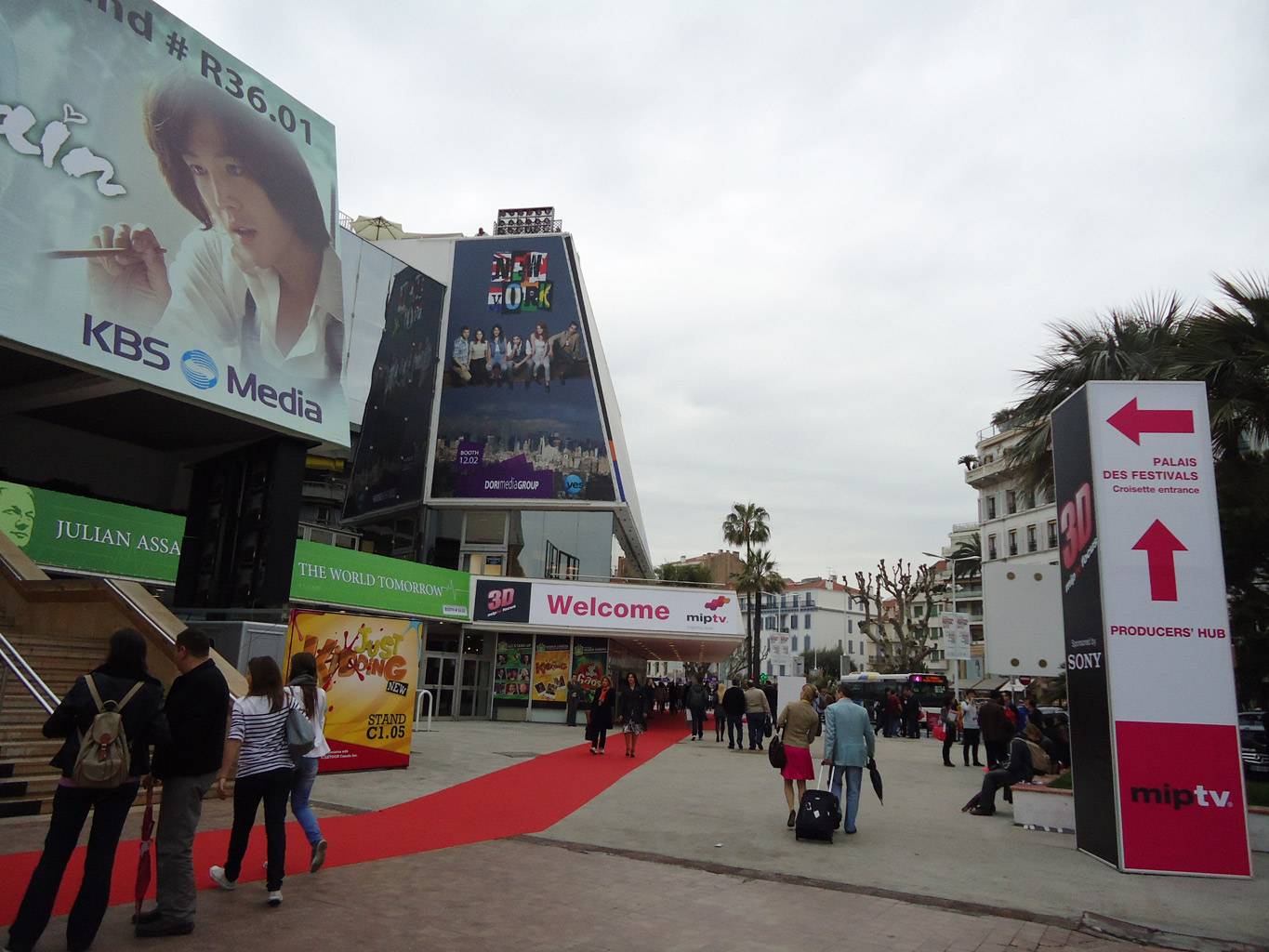
    The horror of that attack spreads across the world. A must-visit tourist destination, Nice has been relatively safe for years and is the gateway to Cannes, which houses the Palais des Festivals. A majority of the world’s biggest and most famous exhibitions and festivals are held in the building– the Lions, the Film Festival, Mipcom, MipTV, Midem, Toys, Mipim and many others. Nice airport is where everybody lands and takes a cab or a bus to Cannes.

    About 300 film professionals from India, Pakistan, Sri Lanka and Bangladesh attend the Cannes Film Festival, another 100-odd ad & marketing executives the Cannes Lions, and about 400 attend the TV and music markets – Mipcom, Mip TV and Midem every year.

    Cannes is where Indian broadcast, film, animation, production and music executives go to do business, buying and selling content, signing co-production and syndication deals. And have been doing so for many years.

    Should they continue visiting it now? Is it safe enough?

    Indeed, it is as safe as Mumbai’s Taj Mahal Hotel where France’s National Day celebrations were held on the same ill-fated evening. One can’t forget that a few years ago, the Taj Mahal Hotel itself was the target of a terrorist attack which left hundreds dead. Did we stop visiting the Taj Mahal Hotel?

    Visitors to Cannes and its exhibitions can be assured that France is going to step up its security to maximum. An additional 10,000 soldiers have been deployed on its streets. A state of emergency has been extended by another three months. Border controls are being strengthened. Because Nice has been hit, it is going to get heightened security attention. Ditto with Cannes .

    Expect visa formalities for those wanting to visit Schengen nations to get stricter (so please apply for your visas early; don’t make last minute applications). Expect airport security to be more vigilant. Already for the past six months visitors to Nice have had to go through an additional immigration check at the airport even if they have made their entry into Europe from another country.

    Additionally, even the administrators of the towns of Nice and Cannes are going to take strong security measures to build confidence and really keep visitors safe. One has to only go back to the measures that the Palais des Festivals took after the 911 attacks, with body scans and X-ray machines. Queues used to be pretty long then.

    Reed Midem is also going put its best behind making Mipcom –which is the next big event slated to take place from 15-20 October in Cannes – safer for attendees. And it has been known take extreme measures to support its clients. Like refunding money to clients who were afflicted by the floods during the festival last year. Like contributing to the Cannes city to help it in its rehabilitation.

    Most agree that the only way to keep at bay those who want to damage nations and their people is to stay resolute and continue to do business as usual. Let us translate that into action.

    (Anil Wanvari is the founder, editor in chief of the Indiantelevision.com group and also the India, Pakistan, Sri Lanka, Bangladesh representative of Reed Midem’s Mipcom, MipTV, Midem and Mipim markets)

  • Nice terror attack, Cannes and the Palais des Festivals

    Nice terror attack, Cannes and the Palais des Festivals

    The date: 14 July. The location: The Taj Mahal Hotel in Mumbai’s Colaba area. French consul general Yves Perrin plays host to businessmen, politicians, artistes, entertainment professionals, journalists like he does every year on Bastille Day to celebrate France’s National Day. Wine, champagne, and a mouth watering menu of French cuisine is rustled up by the Taj’s chefs and served to those who have a linkage with France. That’s of course after the customary playing of the French national anthem and the speech by the honorary counsel general. The evening proceeds well and late into the night as guests mingle and enjoy each other’s company.

    Some 4,000-odd miles away in the picturesque city of Nice in the south of France, the entire Palais des Anglais is choc-a-bloc with general members of the public. The mood is celebratory. The bright summer sky, and the azure blue sea, are what the French Riviera town is known and has drawn tens of thousands of tourists during the holiday period.

    The local Nice government has planned an evening of fireworks and music to celebrate France’s National Day. Tourists and locals have been looking forward to an evening of revelry and gaiety. The main street is cordoned off courtesy the roadblocks that have been erected. Young couples with their children in prams, some with their elderly parents, kids with their parents, groups of young are lounging about, walking around relaxed.

    Suddenly, a white truck comes down the crowded road, swaying from side to side, driven at 40-50 miles per hour in a zig-zag motion and bodies start to fly. A scramble starts as word gets around further down the Promenade that a killer is on the loose. In the meanwhile, scores are hit by the white truck; some die on the spot; some are critically injured.

    In a matter of a few more minutes, the police shoot and kill the driver of the truck. Before that, however, the manic truck has inflicted maximum damage. On the street lie mangled, broken, twisted bodies, bleeding.

    Celebration has turned to shock. 84 people die, 10 children, and many more are hospitalized, critically injured.

    The horror of that attack spreads across the world. A must-visit tourist destination, Nice has been relatively safe for years and is the gateway to Cannes, which houses the Palais des Festivals. A majority of the world’s biggest and most famous exhibitions and festivals are held in the building– the Lions, the Film Festival, Mipcom, MipTV, Midem, Toys, Mipim and many others. Nice airport is where everybody lands and takes a cab or a bus to Cannes.

    About 300 film professionals from India, Pakistan, Sri Lanka and Bangladesh attend the Cannes Film Festival, another 100-odd ad & marketing executives the Cannes Lions, and about 400 attend the TV and music markets – Mipcom, Mip TV and Midem every year.

    Cannes is where Indian broadcast, film, animation, production and music executives go to do business, buying and selling content, signing co-production and syndication deals. And have been doing so for many years.

    Should they continue visiting it now? Is it safe enough?

    Indeed, it is as safe as Mumbai’s Taj Mahal Hotel where France’s National Day celebrations were held on the same ill-fated evening. One can’t forget that a few years ago, the Taj Mahal Hotel itself was the target of a terrorist attack which left hundreds dead. Did we stop visiting the Taj Mahal Hotel?

    Visitors to Cannes and its exhibitions can be assured that France is going to step up its security to maximum. An additional 10,000 soldiers have been deployed on its streets. A state of emergency has been extended by another three months. Border controls are being strengthened. Because Nice has been hit, it is going to get heightened security attention. Ditto with Cannes .

    Expect visa formalities for those wanting to visit Schengen nations to get stricter (so please apply for your visas early; don’t make last minute applications). Expect airport security to be more vigilant. Already for the past six months visitors to Nice have had to go through an additional immigration check at the airport even if they have made their entry into Europe from another country.

    Additionally, even the administrators of the towns of Nice and Cannes are going to take strong security measures to build confidence and really keep visitors safe. One has to only go back to the measures that the Palais des Festivals took after the 911 attacks, with body scans and X-ray machines. Queues used to be pretty long then.

    Reed Midem is also going put its best behind making Mipcom –which is the next big event slated to take place from 15-20 October in Cannes – safer for attendees. And it has been known take extreme measures to support its clients. Like refunding money to clients who were afflicted by the floods during the festival last year. Like contributing to the Cannes city to help it in its rehabilitation.

    Most agree that the only way to keep at bay those who want to damage nations and their people is to stay resolute and continue to do business as usual. Let us translate that into action.

    (Anil Wanvari is the founder, editor in chief of the Indiantelevision.com group and also the India, Pakistan, Sri Lanka, Bangladesh representative of Reed Midem’s Mipcom, MipTV, Midem and Mipim markets)

  • TV News and Facebook Live

    TV News and Facebook Live

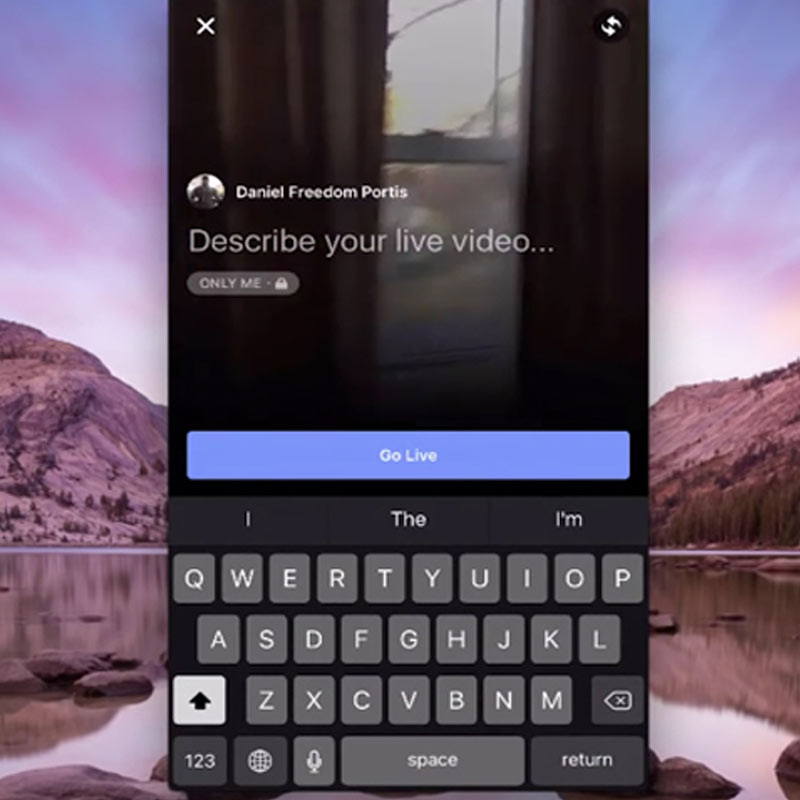
    Television’s last bastion – live news – could be under threat. At least if one goes by the traction that two events got when they were broadcast live on social media last week. These were not shot with fancy news cameras by specialist videographers; they were shot using simple smart phones. The broadcast platform: Facebook, which has more than a billion users world wide and more than 150 million in India.

    The first was when Lavish Reynolds opened up her Facebook Live app and started filming her boyfriend Philando Castile bleeding to death after being shot by the Falcon Heights, Minnesota police in their car at a traffic stop. And she kept continuously reporting from the aftermath of the scene. Apparently, the cops had stopped Castile’s car as it had a broken taillight. And they had asked him to bring out his ID and licence. Castile, Reynolds, states during the broadcast informed the police that he had a licensed firearm, but he was reaching in his pocket for his wallet to bring out his ID. The policeman, despite being informed of this, pumped four bullets into him, Reynolds says.

    That video on Facebook has got more than 5.6 million views at the time of writing.

    And it led to protests and rallies against police violence across the US of A the next day.

    In Dallas, bullets rang out loud and clear during one of the rallies protesting police brutality. Six policemen were shot at by a sniper – Micah Xavier Johnson – from a building. Five of them died. Others were injured. Johnson who holed out against the policeman in a garage was later killed with the help of a robot and an explosive device.

    The action on the streets, with the police scrambling around, was filmed by Michael Kevin Bautista and streamed live on Facebook. The video had been watched 5.6 million times once again at the time of writing. Michael got instant fame, getting onto CNN, BBC Radio, CBS, the Washington Post and TMZ apart from a host of other news outlets.

    While a large chunk of TV viewers in the US have switched to OTT and VOD services, for their entertainment, cutting off their cable TV connections, most of them are still relying on TV channels for news. This is because TV broadcast helps make understanding news developments easier. But the fact is that news and its analysis is dependent on the slant that producers, reporters, owners – some with vested interests – give it.

    Media observers say that the two developments mentioned above could be the fore bearers of the new age of un-curated, raw, reportage of developments – or news – as they happen on the ground during crime scenes, war, accidents, acts of violence or what have you. What would make this kind of reportage interesting is that it would be presented without any bias or agenda.

    Imagine the scenario: lay Facebook users the world over whipping out their phones, filming incidents and reporting on them live. This could run into thousands and even hundreds of thousands. With viewers possibly running into millions as happened in the case of Reynolds and Bautista. The numbers could be higher too. Take Candace Payne who went live on Facebook, filming herself wearing a Chebacca mask and cackling away. The video has until the time of writing grossed 150 million views.

    What could the emergence of tools such as Facebook Live and Twitter’s Periscope mean for Indian news TV? There’s disruption waiting to definitely happen with Indian news channels. Some amount of cynicism has crept in among those in the know about the way news is being presented by a majority of the news outlets. There’s always doubt on top of most viewers minds as most TV news channel promoters either have political or economic linkages or leaning.

    The time could not be very far when Facebook Live could really start kicking in India. India is a mobile first nation with more than 250 million smart phone owners and around the same number surfing the net on their phones. Around 150 million young and old alike are always logged onto their Facebook accounts.

    Give it a thought: if even 10 per cent of them tune into a development shot by a Facebooker and streamed live, the numbers would be more than the viewers than what the top TV news channels attract.

    Clearly this is a phenomenon waiting to happen. Again and again. All it would require is a trigger or triggers. And a million news channels would suddenly pop up on Facebook. Giving out unadulterated, independent updates of developments.

    In such a scenario a few questions need to be answered. Are not the regulations for broadcast news TV pretty rigid? Will the government seek to regulate and monitor the millions of Facebook live streams? Should it do so at all? Television news broadcast has a code of conduct, some of which is being followed. Could a new code of conduct be put in for Facebook Live news bearers? And will it be followed? How will that happen?

    There are many other queries that could need an answer.

    For that it’s over to the ministry of information and broadcasting. And if needed to the Telecom Regulatory of India.

  • TV News and Facebook Live

    TV News and Facebook Live

    Television’s last bastion – live news – could be under threat. At least if one goes by the traction that two events got when they were broadcast live on social media last week. These were not shot with fancy news cameras by specialist videographers; they were shot using simple smart phones. The broadcast platform: Facebook, which has more than a billion users world wide and more than 150 million in India.

    The first was when Lavish Reynolds opened up her Facebook Live app and started filming her boyfriend Philando Castile bleeding to death after being shot by the Falcon Heights, Minnesota police in their car at a traffic stop. And she kept continuously reporting from the aftermath of the scene. Apparently, the cops had stopped Castile’s car as it had a broken taillight. And they had asked him to bring out his ID and licence. Castile, Reynolds, states during the broadcast informed the police that he had a licensed firearm, but he was reaching in his pocket for his wallet to bring out his ID. The policeman, despite being informed of this, pumped four bullets into him, Reynolds says.

    That video on Facebook has got more than 5.6 million views at the time of writing.

    And it led to protests and rallies against police violence across the US of A the next day.

    In Dallas, bullets rang out loud and clear during one of the rallies protesting police brutality. Six policemen were shot at by a sniper – Micah Xavier Johnson – from a building. Five of them died. Others were injured. Johnson who holed out against the policeman in a garage was later killed with the help of a robot and an explosive device.

    The action on the streets, with the police scrambling around, was filmed by Michael Kevin Bautista and streamed live on Facebook. The video had been watched 5.6 million times once again at the time of writing. Michael got instant fame, getting onto CNN, BBC Radio, CBS, the Washington Post and TMZ apart from a host of other news outlets.

    While a large chunk of TV viewers in the US have switched to OTT and VOD services, for their entertainment, cutting off their cable TV connections, most of them are still relying on TV channels for news. This is because TV broadcast helps make understanding news developments easier. But the fact is that news and its analysis is dependent on the slant that producers, reporters, owners – some with vested interests – give it.

    Media observers say that the two developments mentioned above could be the fore bearers of the new age of un-curated, raw, reportage of developments – or news – as they happen on the ground during crime scenes, war, accidents, acts of violence or what have you. What would make this kind of reportage interesting is that it would be presented without any bias or agenda.

    Imagine the scenario: lay Facebook users the world over whipping out their phones, filming incidents and reporting on them live. This could run into thousands and even hundreds of thousands. With viewers possibly running into millions as happened in the case of Reynolds and Bautista. The numbers could be higher too. Take Candace Payne who went live on Facebook, filming herself wearing a Chebacca mask and cackling away. The video has until the time of writing grossed 150 million views.

    What could the emergence of tools such as Facebook Live and Twitter’s Periscope mean for Indian news TV? There’s disruption waiting to definitely happen with Indian news channels. Some amount of cynicism has crept in among those in the know about the way news is being presented by a majority of the news outlets. There’s always doubt on top of most viewers minds as most TV news channel promoters either have political or economic linkages or leaning.

    The time could not be very far when Facebook Live could really start kicking in India. India is a mobile first nation with more than 250 million smart phone owners and around the same number surfing the net on their phones. Around 150 million young and old alike are always logged onto their Facebook accounts.

    Give it a thought: if even 10 per cent of them tune into a development shot by a Facebooker and streamed live, the numbers would be more than the viewers than what the top TV news channels attract.

    Clearly this is a phenomenon waiting to happen. Again and again. All it would require is a trigger or triggers. And a million news channels would suddenly pop up on Facebook. Giving out unadulterated, independent updates of developments.

    In such a scenario a few questions need to be answered. Are not the regulations for broadcast news TV pretty rigid? Will the government seek to regulate and monitor the millions of Facebook live streams? Should it do so at all? Television news broadcast has a code of conduct, some of which is being followed. Could a new code of conduct be put in for Facebook Live news bearers? And will it be followed? How will that happen?

    There are many other queries that could need an answer.

    For that it’s over to the ministry of information and broadcasting. And if needed to the Telecom Regulatory of India.

  • Column-Policy Cross-Connections

    Column-Policy Cross-Connections

    Point 1: With over 1.2 billion population, India is a dream market for any product or service. In short, a land of opportunities.

    Point 2: Despite economic liberalisation started in early 1990s and followed through by successive governments, including the present one in New Delhi, India is still termed a challenging market.

    Just like any other sector, India’s INR 1,157 billion media and entertainment (M&E) industry too gets affected by the two aforementioned points.

    That the M&E industry holds immense potential can be easily seen in various crystal-ball gazing done.

    Indian Government Economic Survey 2016, an annual report card for Indian economy released every February, states the M&E recorded “unprecedented growth” over the last two decades making it one of the fastest growing industries in India. It is projected to grow at a CAGR of 13.9 percent to reach INR 1964 billion by 2019, the Survey states, adding digital advertising and gaming are projected to drive the growth of this sector in the coming years.

    The FICCI-KPMG annual report on Indian M&E sector, released in March, also reiterates the optimism. According to the report, the sector is expected to be worth INR 2,260 billion by 2020 and the advertising sector grew by 14.7 percent from INR 414 billion in 2014 to INR 475 billion in 2015.

    But then what’s holding back big bang investments not only from Indian investors but also foreign ones? Especially when China, the only other market in Asia that outstrips India in terms of size and opportunities, is mostly closed for foreign investors with stringent rules relating to M&E sectors.

    My theory is that despite successive governments from 1990 (it was in 1991 that economic liberalisation was set in motion in India and Indians also got exposed to satellite TV in few years from then) following up on that, full benefits have failed to accrue to the country. Reason? Various liberalisation processes and easing norms of doing business get enmeshed with other policy decisions— some taken in isolation — thereby continuing to make India a challenging market.

    Take, for example, the much talked about government step in June in liberalising FDI investment norms for various sectors, including media, defence, pharmaceuticals and retail.

    FDI policy on broadcasting carriage services as of June 2016


    Sector/Activity

    New Cap and Route

    5.2.7.1.1

    (1)Teleports(setting up of up-linking Hubs/Teleports);

    (2)Direct to Home (DTH);

    (3)Cable Networks (Multi System operators (MSOs) operating at National or State or District level and undertaking upgradation of networks towards digitalization and addressability);

    (4)Mobile TV;

    (5)Headend-in-the Sky Broadcasting Service(HITS)

    100%


    Automatic

    5.2.7.1.2 Cable Networks (Other MSOs not undertaking upgradation of networks towards digitalization and addressability and Local Cable Operators (LCOs))

    Infusion of fresh foreign investment, beyond 49% in a company not seeking license/permission from sectoral Ministry, resulting in change in the ownership pattern or transfer of stake by existing investor to new foreign investor, will require FIPB approval

    (Source: Commerce Ministry)


    The government in June said that FDI in all broadcast carriage services like cable, MSO, DTH, mobile TV, HITS have been upped to 100 percent and brought under automatic route, which means bureaucratic and lengthy permission processes have been lessened.

    Small caveat in automatic route investment norms notwithstanding, Indian companies and foreign investors should have been popping the champagne bottles. But industry reactions were sober to the extent of being subdued.

    General analysis of the aforementioned decision, in short, was: the government took a big step, but not a giant one. Why?

    According to government data, total FDI flow into India since April 2000 to December 2015 stood at US$ 408.68 billion. But the media sector’s share of FDI inflows from 2000-2015 was pegged at $4.48 billion.

    Considering the burgeoning media industry and newer technologies coming in, this sector’s share of FDI during this 15-year period should have been higher.

    So, why are foreign investors hesitant in investing in India, especially when PM Modi’s dream of Digital India can dovetail into building digital infrastructure capable of delivering many media services?

    The federal government may be trying its best to ease norms of doing business in India and live up to its claim of ‘India being a fav destination for foreign investors’, other proposed and existing policy decisions not only send out confused signals, but, actually, create more impediments.

    Take, for example, broadcast carriage regulator TRAI’s two discussion papers on infrastructure sharing in TV broadcasting distribution and  set-top-box interoperability .
    TRAI’s contentions for floating these discussion subjects are to explore avenues to reduce expenditure of companies providing these services by doing away with duplication (in the first case) and examine whether interoperable STBs can largely benefit the consumers.

    Critics of both these TRAI discussion subjects opine that if followed through and converted into regulations, both measures could add another layer of restrictions on the industry.

    Hong Kong-based Asian media industry organisation CASBAA, which also has Indian members, doesn’t mince words when it said in its submission on STB interoperability that the TRAI paper was based on a “number of untested, unproven presuppositions concerning the practice of technical interoperability”.

    Countering TRAI assertions, CASBAA said, “Regulator-imposed technical interoperability requirements will impose very large burdens on Indian consumers and industry players and risk stifling innovation in development of new features of interest to consumers.”

    If a holistic view is taken of both the TRAI consultations, surprisingly aimed at bringing down media services to a common denominator having little USPs, it’s no wonder the likes of Comcast and Liberty Media or closer home the Hong Kong-headquartered PCCW, for instance, have not been enthused much to invest in Indian broadcast carriage segment despite FDI norms liberalisation and a whopping over 100 million TV homes still on the plate.

    It’s not only TRAI, but also the general layout of the taxation and financial environment, apart from other cross-media restrictions, which would deter foreign investors.

    A DTH service provider in India, for example, on an average pays 40 percent tax, including an annual 10 percent licence fee, while ARPUs range between INR 175-220 for most of the six DTH companies. Why would AT&T, parent company of American DirecTV, invest in a DTH operation in India?

    Or, for that matter, why would Comcast or PCCW invest in Indian cable TV distribution when a large number of LCO operations are still far from transparent?

    Add to that a slowing down of the digital rollout — the earlier two phases of the proposed four-phased digitisation of TV services did manage to bring about increased transparency resulting in higher tax revenues for the government — and you have a pitch that’s not conducive for fair foreign investment game.

    Singapore-based market media market research company Media Partners Asia estimates approximately $2 billion has been invested by strategic and foreign institutional investors in Indian pay-TV distribution platforms, which certainly is peanuts considering  over 250 million TV homes are target consumers.

    If confusing policy signals were not enough, stellar performer ISRO’s new-found love for Make In India and resultant insistence on weaning away all Indian users of satellite-based services from foreign satellites to INSAT — informal as of now but gaining currency — is also fodder to scare a foreign investor as such moves smack of throwback to pre-90s when India was dubbed a closed market and not an open economy.

    That’s why, I would insist, till systematic changes are brought about in the country and various government organisations and regulators also see the big picture on regulations instead of functioning within their own small islands, attempts by any Indian government to make India the most favoured destination for foreign investments will not bear ripened fruit. And, in the process, full benefits won’t accrue to the consumers.

    (1 USD= INR 67)

    (Anjan Mitra is Consulting Editor of Indiantelevision.com and will write a fortnightly column on media matters.)


  • Column-Policy Cross-Connections

    Column-Policy Cross-Connections

    Point 1: With over 1.2 billion population, India is a dream market for any product or service. In short, a land of opportunities.

    Point 2: Despite economic liberalisation started in early 1990s and followed through by successive governments, including the present one in New Delhi, India is still termed a challenging market.

    Just like any other sector, India’s INR 1,157 billion media and entertainment (M&E) industry too gets affected by the two aforementioned points.

    That the M&E industry holds immense potential can be easily seen in various crystal-ball gazing done.

    Indian Government Economic Survey 2016, an annual report card for Indian economy released every February, states the M&E recorded “unprecedented growth” over the last two decades making it one of the fastest growing industries in India. It is projected to grow at a CAGR of 13.9 percent to reach INR 1964 billion by 2019, the Survey states, adding digital advertising and gaming are projected to drive the growth of this sector in the coming years.

    The FICCI-KPMG annual report on Indian M&E sector, released in March, also reiterates the optimism. According to the report, the sector is expected to be worth INR 2,260 billion by 2020 and the advertising sector grew by 14.7 percent from INR 414 billion in 2014 to INR 475 billion in 2015.

    But then what’s holding back big bang investments not only from Indian investors but also foreign ones? Especially when China, the only other market in Asia that outstrips India in terms of size and opportunities, is mostly closed for foreign investors with stringent rules relating to M&E sectors.

    My theory is that despite successive governments from 1990 (it was in 1991 that economic liberalisation was set in motion in India and Indians also got exposed to satellite TV in few years from then) following up on that, full benefits have failed to accrue to the country. Reason? Various liberalisation processes and easing norms of doing business get enmeshed with other policy decisions— some taken in isolation — thereby continuing to make India a challenging market.

    Take, for example, the much talked about government step in June in liberalising FDI investment norms for various sectors, including media, defence, pharmaceuticals and retail.

    FDI policy on broadcasting carriage services as of June 2016


    Sector/Activity

    New Cap and Route

    5.2.7.1.1

    (1)Teleports(setting up of up-linking Hubs/Teleports);

    (2)Direct to Home (DTH);

    (3)Cable Networks (Multi System operators (MSOs) operating at National or State or District level and undertaking upgradation of networks towards digitalization and addressability);

    (4)Mobile TV;

    (5)Headend-in-the Sky Broadcasting Service(HITS)

    100%


    Automatic

    5.2.7.1.2 Cable Networks (Other MSOs not undertaking upgradation of networks towards digitalization and addressability and Local Cable Operators (LCOs))

    Infusion of fresh foreign investment, beyond 49% in a company not seeking license/permission from sectoral Ministry, resulting in change in the ownership pattern or transfer of stake by existing investor to new foreign investor, will require FIPB approval

    (Source: Commerce Ministry)


    The government in June said that FDI in all broadcast carriage services like cable, MSO, DTH, mobile TV, HITS have been upped to 100 percent and brought under automatic route, which means bureaucratic and lengthy permission processes have been lessened.

    Small caveat in automatic route investment norms notwithstanding, Indian companies and foreign investors should have been popping the champagne bottles. But industry reactions were sober to the extent of being subdued.

    General analysis of the aforementioned decision, in short, was: the government took a big step, but not a giant one. Why?

    According to government data, total FDI flow into India since April 2000 to December 2015 stood at US$ 408.68 billion. But the media sector’s share of FDI inflows from 2000-2015 was pegged at $4.48 billion.

    Considering the burgeoning media industry and newer technologies coming in, this sector’s share of FDI during this 15-year period should have been higher.

    So, why are foreign investors hesitant in investing in India, especially when PM Modi’s dream of Digital India can dovetail into building digital infrastructure capable of delivering many media services?

    The federal government may be trying its best to ease norms of doing business in India and live up to its claim of ‘India being a fav destination for foreign investors’, other proposed and existing policy decisions not only send out confused signals, but, actually, create more impediments.

    Take, for example, broadcast carriage regulator TRAI’s two discussion papers on infrastructure sharing in TV broadcasting distribution and  set-top-box interoperability .
    TRAI’s contentions for floating these discussion subjects are to explore avenues to reduce expenditure of companies providing these services by doing away with duplication (in the first case) and examine whether interoperable STBs can largely benefit the consumers.

    Critics of both these TRAI discussion subjects opine that if followed through and converted into regulations, both measures could add another layer of restrictions on the industry.

    Hong Kong-based Asian media industry organisation CASBAA, which also has Indian members, doesn’t mince words when it said in its submission on STB interoperability that the TRAI paper was based on a “number of untested, unproven presuppositions concerning the practice of technical interoperability”.

    Countering TRAI assertions, CASBAA said, “Regulator-imposed technical interoperability requirements will impose very large burdens on Indian consumers and industry players and risk stifling innovation in development of new features of interest to consumers.”

    If a holistic view is taken of both the TRAI consultations, surprisingly aimed at bringing down media services to a common denominator having little USPs, it’s no wonder the likes of Comcast and Liberty Media or closer home the Hong Kong-headquartered PCCW, for instance, have not been enthused much to invest in Indian broadcast carriage segment despite FDI norms liberalisation and a whopping over 100 million TV homes still on the plate.

    It’s not only TRAI, but also the general layout of the taxation and financial environment, apart from other cross-media restrictions, which would deter foreign investors.

    A DTH service provider in India, for example, on an average pays 40 percent tax, including an annual 10 percent licence fee, while ARPUs range between INR 175-220 for most of the six DTH companies. Why would AT&T, parent company of American DirecTV, invest in a DTH operation in India?

    Or, for that matter, why would Comcast or PCCW invest in Indian cable TV distribution when a large number of LCO operations are still far from transparent?

    Add to that a slowing down of the digital rollout — the earlier two phases of the proposed four-phased digitisation of TV services did manage to bring about increased transparency resulting in higher tax revenues for the government — and you have a pitch that’s not conducive for fair foreign investment game.

    Singapore-based market media market research company Media Partners Asia estimates approximately $2 billion has been invested by strategic and foreign institutional investors in Indian pay-TV distribution platforms, which certainly is peanuts considering  over 250 million TV homes are target consumers.

    If confusing policy signals were not enough, stellar performer ISRO’s new-found love for Make In India and resultant insistence on weaning away all Indian users of satellite-based services from foreign satellites to INSAT — informal as of now but gaining currency — is also fodder to scare a foreign investor as such moves smack of throwback to pre-90s when India was dubbed a closed market and not an open economy.

    That’s why, I would insist, till systematic changes are brought about in the country and various government organisations and regulators also see the big picture on regulations instead of functioning within their own small islands, attempts by any Indian government to make India the most favoured destination for foreign investments will not bear ripened fruit. And, in the process, full benefits won’t accrue to the consumers.

    (1 USD= INR 67)

    (Anjan Mitra is Consulting Editor of Indiantelevision.com and will write a fortnightly column on media matters.)


  • Private broadcasters, DD, telcos and the terrestrial TV dilemma

    Private broadcasters, DD, telcos and the terrestrial TV dilemma

    MUMBAI: There was once a treasured medium. Everyone – 300 million when it started and -800-odd million two decades ago – flocked to it everyday. Every evening and more so on Sunday mornings they gathered around the one eyed God in their homes. They switched it on manually – and later with a remote device – waited for the picture to appear on the glass screen to be transported to another universe. Where they could laugh, learn, cry, enjoy unencumbered. In the comfort of the home.

    For years, terrestrial television run by the state owned broadcaster Doordarshan – and later by its parent Prasar Bharati – was our main source of information, entertainment, and education. We Indians used to carp and crib that it gave us one sided information, did not entertain us enough, delivered low quality images, was too rigidly controlled. But the reality is it did engage the nation – at least three generations – during different periods since 1960 when TV was flagged off in India – in internet-before times, in prior-to- liberalisation times.

    And yes it did present a platform to a preferred few, to churn out content, which would become the opium for many. Allegations of nepotism, favouritism, corruption were hurled at the powers that be in the portals of Doordarshan and in the ministry of information and broadcasting as a few producers became rich. As did the paanwala below Mandi House who directed and passed on the scripts and proposals of producers to the higher ups or so it was rumoured

    Doordarshan was a God supreme. Impenetrable. Ubiquitous. And all pervasive. It reached out to every nook and cranny of this nation of ours thanks to the lavish spread of transmitters. In TV set and electricity poor regions of heart land India, its magnetic appeal was so great, that villagers would bring out a generator, which would crank out power, and supply it to a single TV as an entire community sat enthralled before it. In urban India, streets used to be deserted as cities’ denizens huddled around it in worship like awe.

    The Doordarshan of today has the same reach. But not the appeal. The terrestrial network has over the years become a very poor shadow of its earlier muscular self. Indians have fled to cable TV, DTH TV, online and OTT linear services on their mobile phones. A new crop of Gods has emerged – Star India, Zee TV, Sun TV, Sony Pictures, Viacom18, Youtube, Facebook, Hotstar, Voot, dittoTV, Netflix – and they are obsessing a nation wanting to be entertained.

    An archaic government diktaat – passed under the Cable TV Regulations Act- forces both cable TV and DTH networks to carry DD channels at no cost to government, even as other services struggle to pay top dollar to get carriage.

    The spectrum that Doordarshan occupies for its terrestrial transmissions nationally is extremely valuable. And the Modi-led government probably realizes this. Hence, the recent release of the consultation paper by the Telecom Regulatory Authority of India that seeks to understand how private players could be allowed in the terrestrial broadcasting space. Auctioning it or allowing public private sector participation could provide tens of thousands of crore to the exchequer. And possibly to the ailing Doordarshan, which depends on government dole and tax payer money for its continued existence. Prasar Bharati CEO Jawahar Sircar has been tearing his hair out but has admitted that he has found it very difficult to bring a sense of discipline to its vast employee force nationally. He has said that he is sitting on a gold mine with Prasar Bharati but he has confessed the culture in the organization has made it very difficult to mine and yield profits.

    Globally, broadcasters in most markets have migrated to digital using one of the four technical standards: DVB-T (European), ATSC (American), ISDBT (Japanese), and Chinese (DTMB). DD has been tentative about the migration; it has stayed put in standard analog mode with its 1,400 transmitters standing tall. It has installed only some 20-odd DVB-T transmitters; another 40-odd are planned; altogether 600 odd digital transmitters are to replace the current analog ones.

    The cost of this migration is going to run into tens of thousands of crore as old archaic transmitters and analog work flows are converted to digital. It’s something which Prime Minister Narendra Modi would definitely like to be done. But the question is: does it make economic sense under Doordarshan and Prasar Bharati?

    DD is taking the slot sale route once again and inviting private producers to create content, sell the advertising air time, and pay it a flat fee. Sounds interesting, but it’s not something that’s attracting successful private sector producers by the truck load. Most of them are tied up with productions on private channels like ZeeTV, Sony, Star and Colors. The risk factor of producing something on DD is proving daunting for them. So only time will tell whether DD’s private slot sale scheme will work or not. The previous attempt was a sheer disaster as at that time DD dished out oodles of cash to producers who did not really care about what they put out on air. They only pocketed their high margins, which they made, according to DD sources.

    Does DD have a future on its own? Yes, its FreeDish DTH service has caught on like wildfire because of its low cost. But research has shown that some viewers are not staying loyal to it; they are rotating the small dish around to catch signals from other private providers. Also, overall, churn in the DTH space is pretty high as consumers have been service-hopping to avoid paying the high tab each of the operators is charging.

    An issue that the government could think about is: why not privatise the analogue DD as well instead of just selling out slots? The reasons governments at the Centre in the past have held on to the public caster is because they wanted to have a media outlet through which their viewpoint could be heard, and also provide public service programmes to help those in the rural heartlands. But of what use is a network that fewer and fewer viewers are opting for is something those in power need to think about. Private newspapers and TV news channels are anyway behaving like handmaidens of the Narendra Modi-led government. And it could easily sell most of the DD network to private players while retaining some time slots for itself to propagate its views. Additionally, it could mandate leading Indian broadcasters to do really good public service TV programmes on their more popular channels even while paying them to do so. That could prove a cheaper proposition, than running a unwieldy behemoth.

    So does it make sense to privatize the digital terrestrial television space? And who else apart from Doordarshan could venture into it? Prima facie it does: the world over DTT is holding its own against cable and satellite television. Of course, in India’s case, the impact of mobile has been humungous with nearly a billion subscribers, and around 250 million mobile internet users.

    The 4G LTE revolution has yet to hit India. The era of fast cheaper data and internet access is knocking on its doors. Things will change drastically when it does arrive. Among the major players in this segment everyone has been watching to turn on the data juice are: Reliance, Airtel, Idea, Vodafone. 4G LTE and DTT can easily be married to each other thus allowing users to watch terrestrial television on their tablets and phones while on the move. All it requires is a dongle or a chip to be inserted into the smart HD-ready handsets. And viola, you could get a clutch of digital channels.

    And that brings us to the answer of who could get into DTT – obviously the telcos, and primarily Reliance Industries, which is bidding to revolutionise India’s mobile habits.Yes, its Jio venture is heavily laden with debt, but even that is a drop in the ocean, compare to what the megacorp makes from its oil and gas businesses. Then possibly Airtel; the company is already in the DTH platform space. The Tata group: it operates a platform along with Rupert Murdoch’s Sky. The ZeeTV-Essel group which has a strong presence in cable TV, DTH, OTT, and broadcasting. Star India, which has stuck to being a content creator, but its parent Twenty First Century Fox has deep and rich experience in DTH, and terrestrial TV.

    However, a note of caution here: they will get in only if it is economically feasible. On the face of it, the RoI will take a long time – a very long time. Unless innovative models are resorted to. One of these could be to have the private sector bid for either cities, states or regions. This will help distribute the capital risk among several players, each of who could take up a city or a region for their individual DTT service.

    The DTT solution could take some time finding. And it may well be buried because of the rapid strides that online content consumption is making. But at least a start has been made.

  • Private broadcasters, DD, telcos and the terrestrial TV dilemma

    Private broadcasters, DD, telcos and the terrestrial TV dilemma

    MUMBAI: There was once a treasured medium. Everyone – 300 million when it started and -800-odd million two decades ago – flocked to it everyday. Every evening and more so on Sunday mornings they gathered around the one eyed God in their homes. They switched it on manually – and later with a remote device – waited for the picture to appear on the glass screen to be transported to another universe. Where they could laugh, learn, cry, enjoy unencumbered. In the comfort of the home.

    For years, terrestrial television run by the state owned broadcaster Doordarshan – and later by its parent Prasar Bharati – was our main source of information, entertainment, and education. We Indians used to carp and crib that it gave us one sided information, did not entertain us enough, delivered low quality images, was too rigidly controlled. But the reality is it did engage the nation – at least three generations – during different periods since 1960 when TV was flagged off in India – in internet-before times, in prior-to- liberalisation times.

    And yes it did present a platform to a preferred few, to churn out content, which would become the opium for many. Allegations of nepotism, favouritism, corruption were hurled at the powers that be in the portals of Doordarshan and in the ministry of information and broadcasting as a few producers became rich. As did the paanwala below Mandi House who directed and passed on the scripts and proposals of producers to the higher ups or so it was rumoured

    Doordarshan was a God supreme. Impenetrable. Ubiquitous. And all pervasive. It reached out to every nook and cranny of this nation of ours thanks to the lavish spread of transmitters. In TV set and electricity poor regions of heart land India, its magnetic appeal was so great, that villagers would bring out a generator, which would crank out power, and supply it to a single TV as an entire community sat enthralled before it. In urban India, streets used to be deserted as cities’ denizens huddled around it in worship like awe.

    The Doordarshan of today has the same reach. But not the appeal. The terrestrial network has over the years become a very poor shadow of its earlier muscular self. Indians have fled to cable TV, DTH TV, online and OTT linear services on their mobile phones. A new crop of Gods has emerged – Star India, Zee TV, Sun TV, Sony Pictures, Viacom18, Youtube, Facebook, Hotstar, Voot, dittoTV, Netflix – and they are obsessing a nation wanting to be entertained.

    An archaic government diktaat – passed under the Cable TV Regulations Act- forces both cable TV and DTH networks to carry DD channels at no cost to government, even as other services struggle to pay top dollar to get carriage.

    The spectrum that Doordarshan occupies for its terrestrial transmissions nationally is extremely valuable. And the Modi-led government probably realizes this. Hence, the recent release of the consultation paper by the Telecom Regulatory Authority of India that seeks to understand how private players could be allowed in the terrestrial broadcasting space. Auctioning it or allowing public private sector participation could provide tens of thousands of crore to the exchequer. And possibly to the ailing Doordarshan, which depends on government dole and tax payer money for its continued existence. Prasar Bharati CEO Jawahar Sircar has been tearing his hair out but has admitted that he has found it very difficult to bring a sense of discipline to its vast employee force nationally. He has said that he is sitting on a gold mine with Prasar Bharati but he has confessed the culture in the organization has made it very difficult to mine and yield profits.

    Globally, broadcasters in most markets have migrated to digital using one of the four technical standards: DVB-T (European), ATSC (American), ISDBT (Japanese), and Chinese (DTMB). DD has been tentative about the migration; it has stayed put in standard analog mode with its 1,400 transmitters standing tall. It has installed only some 20-odd DVB-T transmitters; another 40-odd are planned; altogether 600 odd digital transmitters are to replace the current analog ones.

    The cost of this migration is going to run into tens of thousands of crore as old archaic transmitters and analog work flows are converted to digital. It’s something which Prime Minister Narendra Modi would definitely like to be done. But the question is: does it make economic sense under Doordarshan and Prasar Bharati?

    DD is taking the slot sale route once again and inviting private producers to create content, sell the advertising air time, and pay it a flat fee. Sounds interesting, but it’s not something that’s attracting successful private sector producers by the truck load. Most of them are tied up with productions on private channels like ZeeTV, Sony, Star and Colors. The risk factor of producing something on DD is proving daunting for them. So only time will tell whether DD’s private slot sale scheme will work or not. The previous attempt was a sheer disaster as at that time DD dished out oodles of cash to producers who did not really care about what they put out on air. They only pocketed their high margins, which they made, according to DD sources.

    Does DD have a future on its own? Yes, its FreeDish DTH service has caught on like wildfire because of its low cost. But research has shown that some viewers are not staying loyal to it; they are rotating the small dish around to catch signals from other private providers. Also, overall, churn in the DTH space is pretty high as consumers have been service-hopping to avoid paying the high tab each of the operators is charging.

    An issue that the government could think about is: why not privatise the analogue DD as well instead of just selling out slots? The reasons governments at the Centre in the past have held on to the public caster is because they wanted to have a media outlet through which their viewpoint could be heard, and also provide public service programmes to help those in the rural heartlands. But of what use is a network that fewer and fewer viewers are opting for is something those in power need to think about. Private newspapers and TV news channels are anyway behaving like handmaidens of the Narendra Modi-led government. And it could easily sell most of the DD network to private players while retaining some time slots for itself to propagate its views. Additionally, it could mandate leading Indian broadcasters to do really good public service TV programmes on their more popular channels even while paying them to do so. That could prove a cheaper proposition, than running a unwieldy behemoth.

    So does it make sense to privatize the digital terrestrial television space? And who else apart from Doordarshan could venture into it? Prima facie it does: the world over DTT is holding its own against cable and satellite television. Of course, in India’s case, the impact of mobile has been humungous with nearly a billion subscribers, and around 250 million mobile internet users.

    The 4G LTE revolution has yet to hit India. The era of fast cheaper data and internet access is knocking on its doors. Things will change drastically when it does arrive. Among the major players in this segment everyone has been watching to turn on the data juice are: Reliance, Airtel, Idea, Vodafone. 4G LTE and DTT can easily be married to each other thus allowing users to watch terrestrial television on their tablets and phones while on the move. All it requires is a dongle or a chip to be inserted into the smart HD-ready handsets. And viola, you could get a clutch of digital channels.

    And that brings us to the answer of who could get into DTT – obviously the telcos, and primarily Reliance Industries, which is bidding to revolutionise India’s mobile habits.Yes, its Jio venture is heavily laden with debt, but even that is a drop in the ocean, compare to what the megacorp makes from its oil and gas businesses. Then possibly Airtel; the company is already in the DTH platform space. The Tata group: it operates a platform along with Rupert Murdoch’s Sky. The ZeeTV-Essel group which has a strong presence in cable TV, DTH, OTT, and broadcasting. Star India, which has stuck to being a content creator, but its parent Twenty First Century Fox has deep and rich experience in DTH, and terrestrial TV.

    However, a note of caution here: they will get in only if it is economically feasible. On the face of it, the RoI will take a long time – a very long time. Unless innovative models are resorted to. One of these could be to have the private sector bid for either cities, states or regions. This will help distribute the capital risk among several players, each of who could take up a city or a region for their individual DTT service.

    The DTT solution could take some time finding. And it may well be buried because of the rapid strides that online content consumption is making. But at least a start has been made.