Category: Cable TV

  • Hathway Q2-17 revenue and EBIDTA up; adds 1 lakh broadband subs

    Hathway Q2-17 revenue and EBIDTA up; adds 1 lakh broadband subs

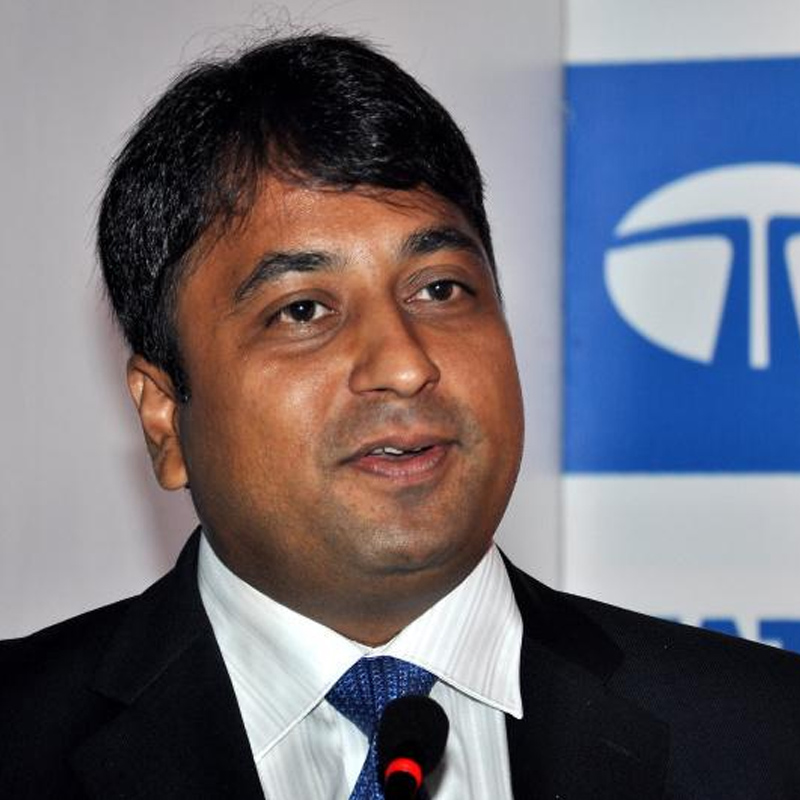
    BENGALURU: Indian multi system operator (MSO) Hathway Cable and Datacom Limited (Hathway) reported 18.8 per cent growth in Total Income from operations (TIO) and 11.9 percent growth in operating profits (EBIDTA) for the quarter ended 30 September 2016 (Q2-17, current quarter). The company reported TIO of Rs 321.07 crore in Q2-17 as compared to Rs 270.35 crore in the corresponding quarter of the previous year.

    The company’s EBDITA including other income in the current quarter was Rs 54.9 crore (17 percent EBIDTA margin) and was Rs 49.05 crore (17.9 percent EBIDTA margin) in Q2-16. The company’s loss in the current quarter increased to Rs 40.45 crore from a loss of Rs 31.99 crore in Q2-16.

    High growth in Cable subscription revenue, Activation fees and Broadband revenue are chiefly responsible for the improved performance says the company. The company’s broadband segment has been performing very well, as a matter of fact, among the national level MSOs’ Hathway has the highest subscription and revenue numbers among all of them. Within Hathway, in Q2-17, Broadband subscription had the highest contribution to revenue, even more than Cable TV subscription revenue

    Hathway’s broadband subscriber base increased to 8 lakh in Q2-17 from 7 lakh in the immediate trailing quarter. Consolidated broadband revenue in the current quarter as per IND AS increased 67 percent to Rs 120.3 crore from Rs 71.9 crore in the previous year. Broadband ARPU in the current quarter increased to Rs 643 from Rs 616 in the corresponding quarter of the previous year, but declined from Rs 670 in the immediate trailing quarter.

    Consolidated reported CATV subscription revenue as per IND AS in the current quarter increased 12 percent to Rs 120.2 crore from Rs 107.5 crore in Q2-16 Hathway says that it has achieved a milestone of deployed 18 lakh STBs, of which 8 lakh STBs were deployed in Phase III & IV areas during Q1- 17. The company says that it has now digitized 92 percent of its cable TV universe. CATV ARPU in DAS Phase I increased to Rs 105 from Rs 100 in the corresponding year ago quarter.CATV ARPU in Phase II areas increased to Rs 90 from Rs 80 in Q2-16. ARPU from phase III areas was Rs 30.

    Placement revenue as per IND AS in the current quarter declined 23 percent to Rs 65.4 crore from Rs 84.8 crore in Q2-16.
    Activation revenue as per IND AS increased 37 percent y-o-y in Q2-17 to Rs 20.2 crore from Rs 14.7 crore in Q2-16.
    Other revenue as per IND AS declined 5 percent in Q2-17 to Rs 4.8 crore from Rs 5.1 in Q2-16.

    Hathway’s Standalone Total Expenditure in Q2-17 increased 19 percent to Rs 340.49 crore (99.6 percent of TIO) from Rs 286.19 crore (105.9 percent of TIO) in the previous year.

    Standalone Pay channel cost in the current quarter increased 22.3 percent to Rs 104.31 crore (32.2 percent of TIO) from Rs 85.56 crore (31.3 percent of TIO) in FY-15. Standalone Employee Benefit expense in Q2-17 increased 46.9 percent y-o-y to Rs 23.53 crore from Rs 16.02 crore.

    Note: The unit of currency in this report is the Indian rupee – Rs (also conventionally represented by INR). The Indian numbering system or the Vedic numbering system has been used to denote money values. The basic conversion to the international norm would be:

    (a) 100,00,000 = 100 lakh = 10,000,000 = 10 million = 1 crore.

    (b) 10,000 lakh = 100 crore = 1 arab = 1 billion.
  • Hathway Q2-17 revenue and EBIDTA up; adds 1 lakh broadband subs

    Hathway Q2-17 revenue and EBIDTA up; adds 1 lakh broadband subs

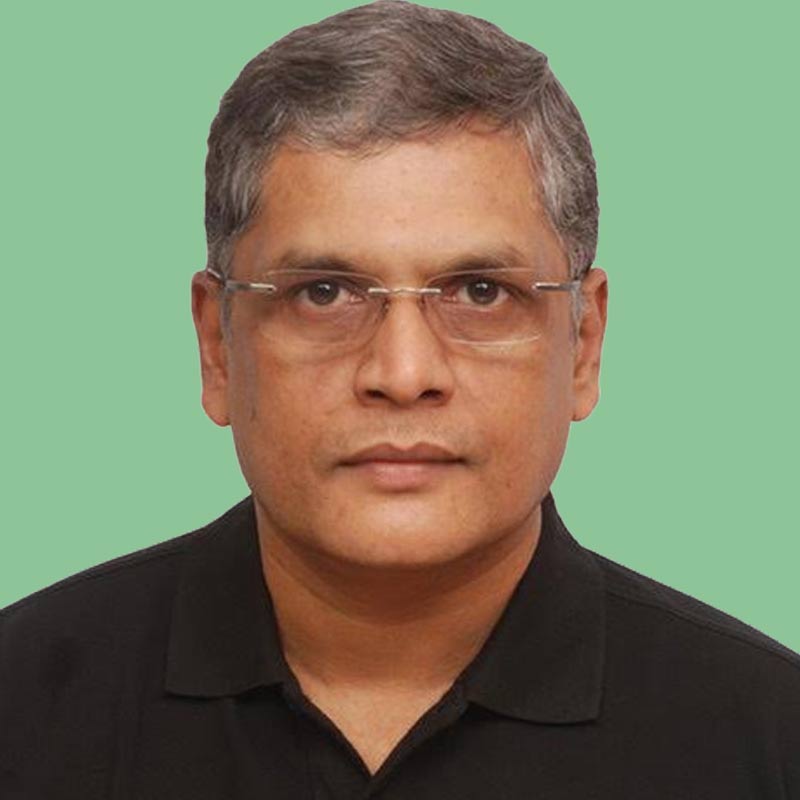
    BENGALURU: Indian multi system operator (MSO) Hathway Cable and Datacom Limited (Hathway) reported 18.8 per cent growth in Total Income from operations (TIO) and 11.9 percent growth in operating profits (EBIDTA) for the quarter ended 30 September 2016 (Q2-17, current quarter). The company reported TIO of Rs 321.07 crore in Q2-17 as compared to Rs 270.35 crore in the corresponding quarter of the previous year.

    The company’s EBDITA including other income in the current quarter was Rs 54.9 crore (17 percent EBIDTA margin) and was Rs 49.05 crore (17.9 percent EBIDTA margin) in Q2-16. The company’s loss in the current quarter increased to Rs 40.45 crore from a loss of Rs 31.99 crore in Q2-16.

    High growth in Cable subscription revenue, Activation fees and Broadband revenue are chiefly responsible for the improved performance says the company. The company’s broadband segment has been performing very well, as a matter of fact, among the national level MSOs’ Hathway has the highest subscription and revenue numbers among all of them. Within Hathway, in Q2-17, Broadband subscription had the highest contribution to revenue, even more than Cable TV subscription revenue

    Hathway’s broadband subscriber base increased to 8 lakh in Q2-17 from 7 lakh in the immediate trailing quarter. Consolidated broadband revenue in the current quarter as per IND AS increased 67 percent to Rs 120.3 crore from Rs 71.9 crore in the previous year. Broadband ARPU in the current quarter increased to Rs 643 from Rs 616 in the corresponding quarter of the previous year, but declined from Rs 670 in the immediate trailing quarter.

    Consolidated reported CATV subscription revenue as per IND AS in the current quarter increased 12 percent to Rs 120.2 crore from Rs 107.5 crore in Q2-16 Hathway says that it has achieved a milestone of deployed 18 lakh STBs, of which 8 lakh STBs were deployed in Phase III & IV areas during Q1- 17. The company says that it has now digitized 92 percent of its cable TV universe. CATV ARPU in DAS Phase I increased to Rs 105 from Rs 100 in the corresponding year ago quarter.CATV ARPU in Phase II areas increased to Rs 90 from Rs 80 in Q2-16. ARPU from phase III areas was Rs 30.

    Placement revenue as per IND AS in the current quarter declined 23 percent to Rs 65.4 crore from Rs 84.8 crore in Q2-16.
    Activation revenue as per IND AS increased 37 percent y-o-y in Q2-17 to Rs 20.2 crore from Rs 14.7 crore in Q2-16.
    Other revenue as per IND AS declined 5 percent in Q2-17 to Rs 4.8 crore from Rs 5.1 in Q2-16.

    Hathway’s Standalone Total Expenditure in Q2-17 increased 19 percent to Rs 340.49 crore (99.6 percent of TIO) from Rs 286.19 crore (105.9 percent of TIO) in the previous year.

    Standalone Pay channel cost in the current quarter increased 22.3 percent to Rs 104.31 crore (32.2 percent of TIO) from Rs 85.56 crore (31.3 percent of TIO) in FY-15. Standalone Employee Benefit expense in Q2-17 increased 46.9 percent y-o-y to Rs 23.53 crore from Rs 16.02 crore.

    Note: The unit of currency in this report is the Indian rupee – Rs (also conventionally represented by INR). The Indian numbering system or the Vedic numbering system has been used to denote money values. The basic conversion to the international norm would be:

    (a) 100,00,000 = 100 lakh = 10,000,000 = 10 million = 1 crore.

    (b) 10,000 lakh = 100 crore = 1 arab = 1 billion.
  • Jagdish Kumar Pillai quits Hathway; Rajan Gupta appointed as MD

    Jagdish Kumar Pillai quits Hathway; Rajan Gupta appointed as MD

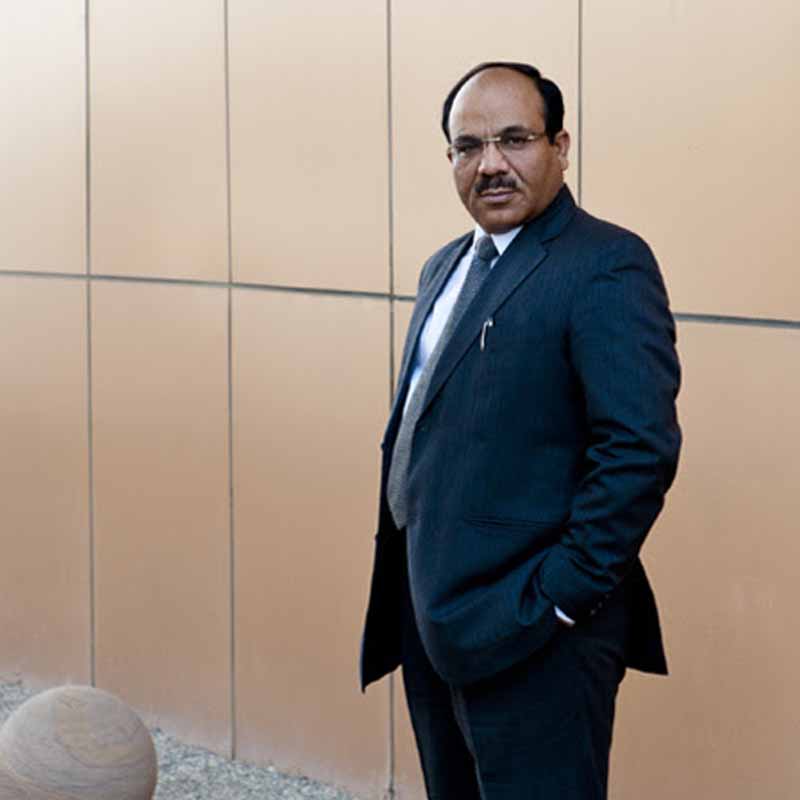
    MUMBAI: Hathway Cable and Datacom Limited has accepted the resignation of MD and CEO Jagdish Kumar Pillai.

    Pillai is moving on from the company w.e.f today, 25 November. He took over as the MD & CEO of Hathway in December 2012, and led the company’s growth through the digitisation phase establishing its position as one of the leading digital cable TV and broadband service providers in the country.

    Hathway announced Rajan Gupta to be its new managing director.

    Prior to the appointment, Gupta was serving as president of the Hathway Broadband business since 2014, leading the company’s aggressive foray into high-speed cable broadband services in the country. With a broadband subscriber base of close to 0.8 million and services reaching more than 3.7 million homes, Gupta is credited with establishing & building a profitable broadband business for Hathway, setting it way-ahead of other competing players. With most MSOs in the country expanding their business and entering the cable broadband space, Hathway has been a step ahead in offering cutting-edge broadband services under Rajan’s leadership with continued investments in high-speed technology such as Docsis 3.0 and GPON FTTH, providing 50 MBPS speed plans, constant upgradations in customer service and increasing market share.

    Over 18 years of experience, he has handled various business leadership roles with Tata Teleservice, Hindustan Coca Cola and Asian Paints.

    In his new role Gupta would be to build on Hathway’s leadership in broadband and video business and take Hathway to the next phase of strategic transformation of creating a profitable consumer centric organization by maximizing innovation, execution and collaboration.

    In another major move, T.S. Panesar, current president of Hathways’ video business, has been elevated to the position of chief executive officer-video business.

    Having joined the company in December 2014, Panesar is an industry veteran with two decades of leadership experience in the consumer durables and TV broadcasting industry having worked with leading brands like ESPN Star Sports, Star TV. Having multi-functional experience, Panesar waspart of the core management team that was instrumental in setting up the ESPN Star Sports brand in India and building its DTH business.He has been credited with bringing a transformational shift in the cable TV operations of the company, making it more transparent, systematic & process driven. Under Panesar’s leadership, Hathway has aggressively grown in DAS 3 markets having crossed 11 million digital subscribers and launched many breakthrough initiatives such as “Hathway Connect”, the state-of-the-art, innovative portal for LCOs that has been widely appreciated by the industry& LCO fraternity for increasing their revenue and reducing operational costs. In addition, he has also led the launch of new in-house channels, rebranding & repositioning the current stable to create a robust portfolio as well as leading the companys’ foray into Value Added Services (VAS) offering a premium customer experience.

    Says Jagdish: I have been contemplating this for sometime. Finally, Viren (Raheja) agreed to my decision. I am taking time off just chilling with my family for the next few months before making my next move. I have enjoyed my stint at Hathway.

  • Jagdish Kumar Pillai quits Hathway; Rajan Gupta appointed as MD

    Jagdish Kumar Pillai quits Hathway; Rajan Gupta appointed as MD

    MUMBAI: Hathway Cable and Datacom Limited has accepted the resignation of MD and CEO Jagdish Kumar Pillai.

    Pillai is moving on from the company w.e.f today, 25 November. He took over as the MD & CEO of Hathway in December 2012, and led the company’s growth through the digitisation phase establishing its position as one of the leading digital cable TV and broadband service providers in the country.

    Hathway announced Rajan Gupta to be its new managing director.

    Prior to the appointment, Gupta was serving as president of the Hathway Broadband business since 2014, leading the company’s aggressive foray into high-speed cable broadband services in the country. With a broadband subscriber base of close to 0.8 million and services reaching more than 3.7 million homes, Gupta is credited with establishing & building a profitable broadband business for Hathway, setting it way-ahead of other competing players. With most MSOs in the country expanding their business and entering the cable broadband space, Hathway has been a step ahead in offering cutting-edge broadband services under Rajan’s leadership with continued investments in high-speed technology such as Docsis 3.0 and GPON FTTH, providing 50 MBPS speed plans, constant upgradations in customer service and increasing market share.

    Over 18 years of experience, he has handled various business leadership roles with Tata Teleservice, Hindustan Coca Cola and Asian Paints.

    In his new role Gupta would be to build on Hathway’s leadership in broadband and video business and take Hathway to the next phase of strategic transformation of creating a profitable consumer centric organization by maximizing innovation, execution and collaboration.

    In another major move, T.S. Panesar, current president of Hathways’ video business, has been elevated to the position of chief executive officer-video business.

    Having joined the company in December 2014, Panesar is an industry veteran with two decades of leadership experience in the consumer durables and TV broadcasting industry having worked with leading brands like ESPN Star Sports, Star TV. Having multi-functional experience, Panesar waspart of the core management team that was instrumental in setting up the ESPN Star Sports brand in India and building its DTH business.He has been credited with bringing a transformational shift in the cable TV operations of the company, making it more transparent, systematic & process driven. Under Panesar’s leadership, Hathway has aggressively grown in DAS 3 markets having crossed 11 million digital subscribers and launched many breakthrough initiatives such as “Hathway Connect”, the state-of-the-art, innovative portal for LCOs that has been widely appreciated by the industry& LCO fraternity for increasing their revenue and reducing operational costs. In addition, he has also led the launch of new in-house channels, rebranding & repositioning the current stable to create a robust portfolio as well as leading the companys’ foray into Value Added Services (VAS) offering a premium customer experience.

    Says Jagdish: I have been contemplating this for sometime. Finally, Viren (Raheja) agreed to my decision. I am taking time off just chilling with my family for the next few months before making my next move. I have enjoyed my stint at Hathway.

  • Siti Q2-17 numbers up on higher restated subscription revenues

    Siti Q2-17 numbers up on higher restated subscription revenues

    BENGALURU: The Subhash Chandra led Siti Networks Limited (Siti) formerly known as Siti Cable Network Limited, reported 23.6 percent and 2.9 percent year-over-year (y-o-y) growth in operating revenue and EBIDTA including other income for the quarter ended 30 September 2106 (Q2-17, current quarter). The growth in revenue was led by a 33.3 percent y-o-y growth in restated subscription revenue on net billing basis of Rs 135.3 crore (46.8 percent of Total Income from Operations or TIO) as compared to Rs 101.5 crore (43.4 percent of TIO) reported for the corresponding year ago quarter.

    However, reported subscription revenue as per published financials in the current quarter increased by just 0.9 percent y-o-y to Rs 139.7 crore (48.3 percent of TIO) from Rs 138.5 crore (59.2 percent of TIO) in the corresponding year ago quarter.

    Siti reported TIO of Rs 288.98 crore in Q2-17 or a 23.6 percent y-o-y improvement from the Rs 233.87 crore in Q2-16. EBIDTA including other income for the current quarter was Rs 49.71 crore (17.2 percent margin), for Q2-16 it was Rs 48.30 crore (20.7 percent margin).

    Loss in the current quarter was higher at Rs 46.89 crore as compared to a loss of Rs 31.43 crore in Q2-16, but lower than the loss of Rs 53.62 crore in the immediate trailing quarter (Q1-17).

    Activation, Carriage and Broadband numbers

    Activation fees in the current quarter more than doubled (200.5 percent) y-o-y to Rs 38.3 crore (13.3 percent of TIO) from Rs 19.1 crore (8.2 percent of TIO) in the corresponding year ago quarter. Carriage revenue increased 25.5 percent y-o-y to Rs 75.7 crore (26.2 percent of TIO) in Q2-17 as compared to Rs 60.3 crore (25.8 percent of TIO) in Q2-16.

    Broadband revenue increased 167.7 percent y-o-y to Rs 24.9 crore (8.6 percent of TIO) in the current quarter from Rs 9.3 crore (4 percent of TIO) in Q2-16.

    The company’s cable TV customer base was stable at 1.22 crore in the current quarter as compared to the immediate trailing quarter. The company had 1.07 crore cable customers in Q2-16. The company says that is now present in 400 plus locations in India serving a total digital subscriber base of 87 lakh customers. For the last quarter the company had reported a digital subscriber base of 84 lakh and 59 lakh for Q2-16.

    Siti has added about 28,000 broadband subscribers in Q2-17 taking its subscriber base to 195,000 from 167,000 subscribers in Q1-17. It had a broadband subscriber base of 91,450 in Q2-16.

    Let us look at the other numbers reported by Siti

    Finance costs in the current quarter reduced to Rs 28 crore (9.7 percent of TIO) from Rs 34.76 crore (14.9 percent of TIO) in the corresponding year ago quarter. Total Expenditure increased 29.3 percent y-o-y to Rs 298.81 crore (103.4 percent of TIO) from Rs 231.04 crore (98.8 percent of TIO) in the corresponding year ago quarter. Employee Benefit Expense increased 21.2 percent y-o-y to Rs 20.7 crore (7.2 percent of TIO) in the current quarter from Rs 17.08 crore (7.3 percent of TIO) in Q2-16.  Carriage sharing, pay channel and related costs in Q2-17 increased 15.6 percent y-o-y to Rs 143.41 crore from (49.6 percent of TIO) Rs 124.01 crore (53 percent of TIO) in Q2-16.

    Company speak

    Siti executive director & CEO, V D Wadhwa said, “We continue to grow our digital subscriber base steadily with incremental improvements in monetisation seen in certain phases. This could have been significantly better but for the delay in digitization because of pending court cases, which continues to impact monetization in the phase 3 areas. Although the majority of the stay orders have been vacated by the Honourable Delhi High Court, the closure of the balance pending cases will lead to complete switch off of analogue signals, improve monetization and significantly spur the growth of the industry.

    The expected implementation of the new Draft Tariff Order will be a game changer and is more beneficial for the distribution platforms post execution. However, the success of the same will lie in its effective implementation.”

    Note: The unit of currency in this report is the Indian rupee – Rs (also conventionally represented by INR). The Indian numbering system or the Vedic numbering system has been used to denote money values. The basic conversion to the international norm would be:

    (a) 100,00,000 = 100 lakh = 10,000,000 = 10 million = 1 crore.

    (b) 10,000 lakh = 100 crore = 1 arab = 1 billion.
     

  • Siti Q2-17 numbers up on higher restated subscription revenues

    Siti Q2-17 numbers up on higher restated subscription revenues

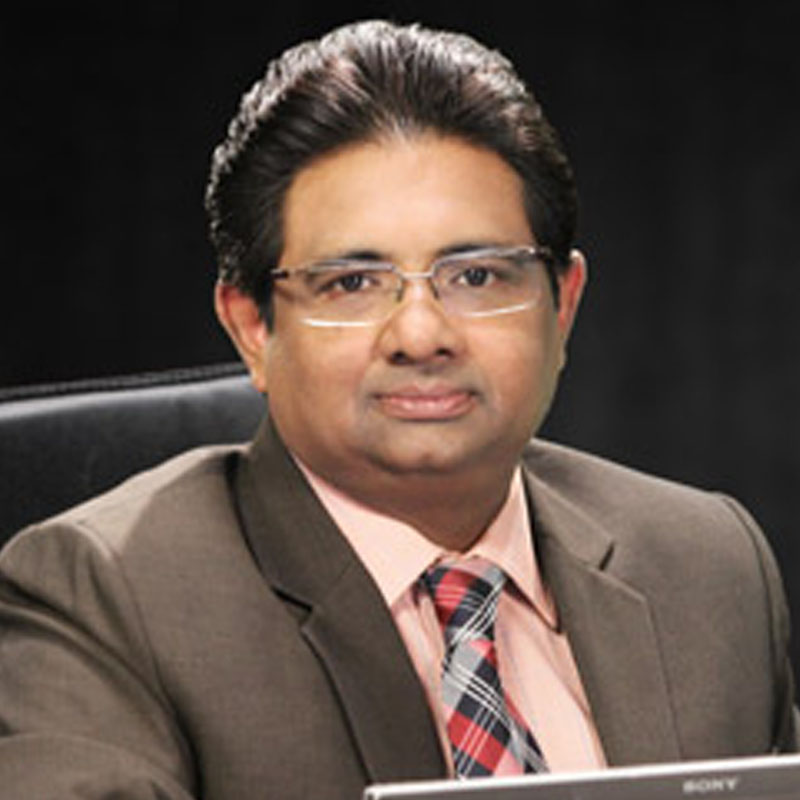
    BENGALURU: The Subhash Chandra led Siti Networks Limited (Siti) formerly known as Siti Cable Network Limited, reported 23.6 percent and 2.9 percent year-over-year (y-o-y) growth in operating revenue and EBIDTA including other income for the quarter ended 30 September 2106 (Q2-17, current quarter). The growth in revenue was led by a 33.3 percent y-o-y growth in restated subscription revenue on net billing basis of Rs 135.3 crore (46.8 percent of Total Income from Operations or TIO) as compared to Rs 101.5 crore (43.4 percent of TIO) reported for the corresponding year ago quarter.

    However, reported subscription revenue as per published financials in the current quarter increased by just 0.9 percent y-o-y to Rs 139.7 crore (48.3 percent of TIO) from Rs 138.5 crore (59.2 percent of TIO) in the corresponding year ago quarter.

    Siti reported TIO of Rs 288.98 crore in Q2-17 or a 23.6 percent y-o-y improvement from the Rs 233.87 crore in Q2-16. EBIDTA including other income for the current quarter was Rs 49.71 crore (17.2 percent margin), for Q2-16 it was Rs 48.30 crore (20.7 percent margin).

    Loss in the current quarter was higher at Rs 46.89 crore as compared to a loss of Rs 31.43 crore in Q2-16, but lower than the loss of Rs 53.62 crore in the immediate trailing quarter (Q1-17).

    Activation, Carriage and Broadband numbers

    Activation fees in the current quarter more than doubled (200.5 percent) y-o-y to Rs 38.3 crore (13.3 percent of TIO) from Rs 19.1 crore (8.2 percent of TIO) in the corresponding year ago quarter. Carriage revenue increased 25.5 percent y-o-y to Rs 75.7 crore (26.2 percent of TIO) in Q2-17 as compared to Rs 60.3 crore (25.8 percent of TIO) in Q2-16.

    Broadband revenue increased 167.7 percent y-o-y to Rs 24.9 crore (8.6 percent of TIO) in the current quarter from Rs 9.3 crore (4 percent of TIO) in Q2-16.

    The company’s cable TV customer base was stable at 1.22 crore in the current quarter as compared to the immediate trailing quarter. The company had 1.07 crore cable customers in Q2-16. The company says that is now present in 400 plus locations in India serving a total digital subscriber base of 87 lakh customers. For the last quarter the company had reported a digital subscriber base of 84 lakh and 59 lakh for Q2-16.

    Siti has added about 28,000 broadband subscribers in Q2-17 taking its subscriber base to 195,000 from 167,000 subscribers in Q1-17. It had a broadband subscriber base of 91,450 in Q2-16.

    Let us look at the other numbers reported by Siti

    Finance costs in the current quarter reduced to Rs 28 crore (9.7 percent of TIO) from Rs 34.76 crore (14.9 percent of TIO) in the corresponding year ago quarter. Total Expenditure increased 29.3 percent y-o-y to Rs 298.81 crore (103.4 percent of TIO) from Rs 231.04 crore (98.8 percent of TIO) in the corresponding year ago quarter. Employee Benefit Expense increased 21.2 percent y-o-y to Rs 20.7 crore (7.2 percent of TIO) in the current quarter from Rs 17.08 crore (7.3 percent of TIO) in Q2-16.  Carriage sharing, pay channel and related costs in Q2-17 increased 15.6 percent y-o-y to Rs 143.41 crore from (49.6 percent of TIO) Rs 124.01 crore (53 percent of TIO) in Q2-16.

    Company speak

    Siti executive director & CEO, V D Wadhwa said, “We continue to grow our digital subscriber base steadily with incremental improvements in monetisation seen in certain phases. This could have been significantly better but for the delay in digitization because of pending court cases, which continues to impact monetization in the phase 3 areas. Although the majority of the stay orders have been vacated by the Honourable Delhi High Court, the closure of the balance pending cases will lead to complete switch off of analogue signals, improve monetization and significantly spur the growth of the industry.

    The expected implementation of the new Draft Tariff Order will be a game changer and is more beneficial for the distribution platforms post execution. However, the success of the same will lie in its effective implementation.”

    Note: The unit of currency in this report is the Indian rupee – Rs (also conventionally represented by INR). The Indian numbering system or the Vedic numbering system has been used to denote money values. The basic conversion to the international norm would be:

    (a) 100,00,000 = 100 lakh = 10,000,000 = 10 million = 1 crore.

    (b) 10,000 lakh = 100 crore = 1 arab = 1 billion.

     

  • Cable operators seek exemption in entertainment at par with fuel & medical services

    Cable operators seek exemption in entertainment at par with fuel & medical services

    MUMBAI: Although demonetisation of high-demonination currency is largely seen as a boon for a thriving economy marred by a legacy of unaccounted money and corruption, it is a proving to be a bane for the common man. The only basic entertainment that a layman has access to is television which is suffering owing to a severe shortfall of small denomination currency.

    Though the government insists on having made arrangements for dispensing cash in new currency through ATMs and banks, the measures are inadequate for the serpentine queue-avoiding office-goer, a shop-keeper, a commoner and especially a ruralite who hardly has access to financial institutions/institutionalised lenders in India.

    Seven Star Satellite Cable Network founder and chief Atul Saraf said they have been accepting cheques since a long time. However, some of their franchisees were facing difficulties in collecting cash from the subscribers owing to demontisation.

    Generally, around 65-70 per cent of collection in the business is in cash, and the remainder is through cheque. Saraf said they have now made arrangements for online payments from 1 January, 2017.

    Saraf lamented that there was a slowdown in collections owing to cash crunch due to demonetisation. The situation would take at least 3–4 months to come to normal.

    To a question, Saraf said that installation of STBs had picked up pace as a natural progression of digitisation under Phase III and Phase IV in September and October, but it has slowed down again. “Customers are not willing to shell out whatever little cash they have for STBs; rather they would like to use it for buying essentials,” Saraf bemoaned.

    “I have written to the prime minister Narendra Modi to extend the date of exchanging old currency with new by 2-3 months beyond the 31 December deadline,” said Gujarat Cable Operators Association president Pramod Pandya.

    Pandya expects the government to be considerate with the plight of the common man especially in rural India. “Entertainment must also be exempt from immediate adherence to the new currency norms as in casewith fuel and emergency medical services,” said Pandya who is the honorary Gujarat state cable operators’ representative at the
    information and broadcasting (I&B) ministry.

    Customers in the rural areas under DAS Phase IV neither have cheques nor the new currency at all to pay the cable operators. “Approximately 4000 villages in Gujarat that fall under the purview of Phase IV digitisation do not have access to banks or ATMs; where would they fetch the new currency,” Pandya retorted.

    Digicable Network (India) Pvt. Ltd CEO Jagjit Singh Kohli sought to put on record that they have been accepting cheques and online payments since a long time. MSOs have never been averse to receipt of cheques. However, as far as LCOs are concerned, only 20-25 per cent subscribers preferred paying their cable bills through cheques. He parried a question on the status and installations of STBs.

    “We have been accepting cheques and issuing bills since CAS came into the picture around November 2012. But, lately, we have started issuing itemised bills,” said Maharashtra Cable Association Federation chief Arvind Prabhoo said, welcoming demonetisation during the period of transparency and digitisation. A majority of subscribers (around 70-80 per cent) living the areas serviced by operators who owe allegiance to MCOF have been paying trough cheques. “We also started accepting online payments last year,” Prabhoo said.

    “Neither cheque nor cash, however, is a compulsion. We are not insisting on a particular mode of payment,” Prabhoo said. But, subscribers, of course, were facing a shortage of cash, and it would take around 10 more days for things to normalise, he added. To a question on digitization and installation of STBs, Prabhoo said that there had been some reports of increase in STB sale which could be due to good monsoon.

    Since, there was a temporary shortage of cash, Prabhoo said, people were not too keen on buying a STB worth Rs 1500-2000. “The Phase III is stuck due to various court cases, and Phase IV could be delayed by a couple of months as it covers a vast geographical expanse. But, it (DAS III & IV) will happen for sure,” he remarked.

    “The situation in Tamil Nadu is grave as subscribers are neither willing to pay through cheque nor do they have ready cash due to demonetisation,” said Chennai Metro Cable Operators Association general secretary MR Srinivasan.

    The subscription rate is as low as Rs 100 per month in most of the areas (districts) in the state. But, owing to shortage of low-denomination notes, around 1.4 million subscribers in the state are not paying the cable operators.

    “Subscribers offer us old notes of Rs 500, and expect Rs 400 change from us. So, even while we are willing to exchange old notes in the bank, where do we get the change from,” Srinivasan seemed puzzled. And, the subscribers are not willing to pay five months’ advance subscription to tide over the temporary problem.

    “The central government is not effective on digitisation in Tamil Nadu as most of the state, except Chennai, is served by cable companies (directly or indirectly) owned by the incumbent government,” Srinivasan alleged.

    In Chennai, he said, STBs have been installed only in around 10 per cent of the four million (40 lakh) households. Due to court cases against digitisation also, the progress of modernisation is stuck.

    As in case of medical services and petrol pumps etc, Srinivasan expected the government to allow old Rs 500 notes for cable services as well. “At least, for the number of subscribers which have been accounted for, the operators should be allowed to accept that many (old) notes,” he said.

    One may be happy about the cable modernisation and demonetisation to stem the economic decay in the larger interest of the country, there seems to be no denying the fact that it will cause of a lot of tug-of-wars, transition and loss of business and lives, heartburns, political upheavals, dilly-dallying and legal wrangles before we move ahead.

  • Cable operators seek exemption in entertainment at par with fuel & medical services

    Cable operators seek exemption in entertainment at par with fuel & medical services

    MUMBAI: Although demonetisation of high-demonination currency is largely seen as a boon for a thriving economy marred by a legacy of unaccounted money and corruption, it is a proving to be a bane for the common man. The only basic entertainment that a layman has access to is television which is suffering owing to a severe shortfall of small denomination currency.

    Though the government insists on having made arrangements for dispensing cash in new currency through ATMs and banks, the measures are inadequate for the serpentine queue-avoiding office-goer, a shop-keeper, a commoner and especially a ruralite who hardly has access to financial institutions/institutionalised lenders in India.

    Seven Star Satellite Cable Network founder and chief Atul Saraf said they have been accepting cheques since a long time. However, some of their franchisees were facing difficulties in collecting cash from the subscribers owing to demontisation.

    Generally, around 65-70 per cent of collection in the business is in cash, and the remainder is through cheque. Saraf said they have now made arrangements for online payments from 1 January, 2017.

    Saraf lamented that there was a slowdown in collections owing to cash crunch due to demonetisation. The situation would take at least 3–4 months to come to normal.

    To a question, Saraf said that installation of STBs had picked up pace as a natural progression of digitisation under Phase III and Phase IV in September and October, but it has slowed down again. “Customers are not willing to shell out whatever little cash they have for STBs; rather they would like to use it for buying essentials,” Saraf bemoaned.

    “I have written to the prime minister Narendra Modi to extend the date of exchanging old currency with new by 2-3 months beyond the 31 December deadline,” said Gujarat Cable Operators Association president Pramod Pandya.

    Pandya expects the government to be considerate with the plight of the common man especially in rural India. “Entertainment must also be exempt from immediate adherence to the new currency norms as in casewith fuel and emergency medical services,” said Pandya who is the honorary Gujarat state cable operators’ representative at the
    information and broadcasting (I&B) ministry.

    Customers in the rural areas under DAS Phase IV neither have cheques nor the new currency at all to pay the cable operators. “Approximately 4000 villages in Gujarat that fall under the purview of Phase IV digitisation do not have access to banks or ATMs; where would they fetch the new currency,” Pandya retorted.

    Digicable Network (India) Pvt. Ltd CEO Jagjit Singh Kohli sought to put on record that they have been accepting cheques and online payments since a long time. MSOs have never been averse to receipt of cheques. However, as far as LCOs are concerned, only 20-25 per cent subscribers preferred paying their cable bills through cheques. He parried a question on the status and installations of STBs.

    “We have been accepting cheques and issuing bills since CAS came into the picture around November 2012. But, lately, we have started issuing itemised bills,” said Maharashtra Cable Association Federation chief Arvind Prabhoo said, welcoming demonetisation during the period of transparency and digitisation. A majority of subscribers (around 70-80 per cent) living the areas serviced by operators who owe allegiance to MCOF have been paying trough cheques. “We also started accepting online payments last year,” Prabhoo said.

    “Neither cheque nor cash, however, is a compulsion. We are not insisting on a particular mode of payment,” Prabhoo said. But, subscribers, of course, were facing a shortage of cash, and it would take around 10 more days for things to normalise, he added. To a question on digitization and installation of STBs, Prabhoo said that there had been some reports of increase in STB sale which could be due to good monsoon.

    Since, there was a temporary shortage of cash, Prabhoo said, people were not too keen on buying a STB worth Rs 1500-2000. “The Phase III is stuck due to various court cases, and Phase IV could be delayed by a couple of months as it covers a vast geographical expanse. But, it (DAS III & IV) will happen for sure,” he remarked.

    “The situation in Tamil Nadu is grave as subscribers are neither willing to pay through cheque nor do they have ready cash due to demonetisation,” said Chennai Metro Cable Operators Association general secretary MR Srinivasan.

    The subscription rate is as low as Rs 100 per month in most of the areas (districts) in the state. But, owing to shortage of low-denomination notes, around 1.4 million subscribers in the state are not paying the cable operators.

    “Subscribers offer us old notes of Rs 500, and expect Rs 400 change from us. So, even while we are willing to exchange old notes in the bank, where do we get the change from,” Srinivasan seemed puzzled. And, the subscribers are not willing to pay five months’ advance subscription to tide over the temporary problem.

    “The central government is not effective on digitisation in Tamil Nadu as most of the state, except Chennai, is served by cable companies (directly or indirectly) owned by the incumbent government,” Srinivasan alleged.

    In Chennai, he said, STBs have been installed only in around 10 per cent of the four million (40 lakh) households. Due to court cases against digitisation also, the progress of modernisation is stuck.

    As in case of medical services and petrol pumps etc, Srinivasan expected the government to allow old Rs 500 notes for cable services as well. “At least, for the number of subscribers which have been accounted for, the operators should be allowed to accept that many (old) notes,” he said.

    One may be happy about the cable modernisation and demonetisation to stem the economic decay in the larger interest of the country, there seems to be no denying the fact that it will cause of a lot of tug-of-wars, transition and loss of business and lives, heartburns, political upheavals, dilly-dallying and legal wrangles before we move ahead.

  • DAS Phase IV pace slack; MIB to meet Indian STB makers

    DAS Phase IV pace slack; MIB to meet Indian STB makers

    NEW DELHI: A miniscule percentage of set-top boxes have been seeded in DAS Phase IV after August 2016 as compared to those seeded earlier in four phases when six weeks are left for the deadline for switching off analogue signals is reached.

    Although the total number of set-top boxes seeded in the country for four phases of the digital addressable system is 92.424 million till 25 October 2016, a mere 1.966 million STBs were seeded in the Phase IV areas after 31 August 2016.

    Also, the much-touted indigenously manufactured STBs with iCAS or Indian CAS too have not found much favour with industry players as no major purchase orders had been placed.

    The MIS system shows that about 2.843 million including 8,76,000 STBs in Phase III for which the deadline was 31 December 2015 have been seeded, according to figures released at the 18th Task Force meeting held on 26 October 2016.

    (Phase IV areas, needing approximately 75 million STBs according to industry estimates, mostly comprise rural India’s smaller hamlets and towns where selling the idea of digitisation and getting a STB at home itself is considered a challenging task by LCOs, MSOs and other stakeholders.)

    The Task Force was told that the Nodal Officers have been supplied with the passwords to access state wise specific reports from the MIS system. Information and Broadcasting Ministry Joint Secretary Mihir Singh who chaired the meeting said the Ministry may analyze the district wise seeding data and send the district wise status of progress of seeding to the respective States for further action.

    Meanwhile, the meeting was informed that five of the 45 cases transferred to the Delhi High Court relating to Phase III following Supreme Court directives had been disposed off. Two cases had been returned to the respective High Courts as these did not relate to DAS implementation; 23 cases were listed for hearing before a Division Bench headed by Chief Justice G Rohini and 13 cases before a single bench. Two cases are yet to be listed for hearing. The Chairperson directed that the Ministry should ensure that the court notices are delivered to the petitioners according to the directions of the court.

    Referring to the public awareness campaign through television commercials, the Chairperson said broadcasters need to increase the frequency of these spots particularly during prime time for greater impact. He directed the broadcasters to carry these spots at least four times a day, of which two should be during the prime time from 7 pm to 11 pm.

    Giving an update on the status of public awareness campaign for Phase lV, Advisor (DAS) Yogendra Pal said broadcasters, including Doordarshan, are giving wide publicity using two AV spots developed by the Ministry. He added that in addition to these spots, the Indian Broadcasting Foundation had also developed its own spot. Scrolls are also being run by broadcasters on their channels.

    The representative of the News Broadcasters Association said 62 channels of their members are carrying AV spots and are also carrying scrolls developed by them.

    The Ministry has issued an advisory to about 4500 cable operators to apply for registration as multisystem operators immediately if interested, failing which they would not be able to work as MSOs after the cut-off date of 31 December 2016. In this regard, advertisements were also published in all regional newspapers on 9 September and 1 October 2016. In order to ensure that only registered MSOs are operating in all DAS notified areas, the Ministry had requested lBF, NBA and ARTBI to provide the names of the registered MSOs, phase-wise and area-wise, with whom they have entered into interconnect agreements for pay channels to the Ministry by 28 October 2016. lt was clarified to the representatives of IBF that information has been asked in a particular format and has to be sent for all phases.

    However, the date had been put off to 4 November 2016 on the request of representatives of IBF and NBA.

    Representatives of national MSOs mentioned that the seeding in Phase IV areas was not satisfactory due to various court cases for phase III and the status will drastically change once these cases are disposed off by the Delhi High Court. It was also mentioned that most of the head-ends serving phase IV areas are located in phase III areas and hence transition to digital in phase IV areas should not pose any problem.

    The Chairperson asked the members to suggest measures to implement phase IV of digitisation by the notified cut-off date of 31 December 2016.

    Members made some suggestions in this regard. One was that the Ministry should as a pre-emptive measure consider filing caveats and the Ministry should consider extending the date till March 2017 in line with the draft revised tariff orders of Telecom Regulatory Authority of India.

    The TRAI representative opposed this, saying that revision of regulations and tariff orders is a routine exercise and cut-off date should not be linked with the issue of draft tariff orders.

    The representatives of CEAMA and DTH also opposed any extension of the cut-off date.

    Welcoming the judgement, SITI Networks Limited executive director and CEO VD Wadhwa said, “This is a landmark moment in the Digital India journey as it will also clear the passage for timely implementation of DAS Phase 4 of digitisation. The industry had been suffering due to pending litigation, and with this welcome move, all hurdles have been cleared. It is now obligatory on part of broadcasters and other players to disconnect analogue signals within two weeks.”

    All India Digital Cable Federation (AIDCF), the industry body representing Digital Multi System Operators (MSO), has asked all its members to work with broadcasters to switch off analogue signals and implement digitisation is DAS Phase III markets immediately. This will also pave the way for digital revenues to flow in from these areas as per the directives of the TRAI.

    AIDCF has also urged all local cable operators, MSOs, broadcasters and government bodies to help complete digitisation at the earliest. Federation president VD Wadhwa said: “On behalf of AIDCF, I urge all MSOs, cable operators, broadcasters to switch off analogue feeds in two weeks to comply with the honorable court’s order. We would also request government bodies to extend their good support in meeting the digitisation deadlines.”

  • DAS Phase IV pace slack; MIB to meet Indian STB makers

    DAS Phase IV pace slack; MIB to meet Indian STB makers

    NEW DELHI: A miniscule percentage of set-top boxes have been seeded in DAS Phase IV after August 2016 as compared to those seeded earlier in four phases when six weeks are left for the deadline for switching off analogue signals is reached.

    Although the total number of set-top boxes seeded in the country for four phases of the digital addressable system is 92.424 million till 25 October 2016, a mere 1.966 million STBs were seeded in the Phase IV areas after 31 August 2016.

    Also, the much-touted indigenously manufactured STBs with iCAS or Indian CAS too have not found much favour with industry players as no major purchase orders had been placed.

    The MIS system shows that about 2.843 million including 8,76,000 STBs in Phase III for which the deadline was 31 December 2015 have been seeded, according to figures released at the 18th Task Force meeting held on 26 October 2016.

    (Phase IV areas, needing approximately 75 million STBs according to industry estimates, mostly comprise rural India’s smaller hamlets and towns where selling the idea of digitisation and getting a STB at home itself is considered a challenging task by LCOs, MSOs and other stakeholders.)

    The Task Force was told that the Nodal Officers have been supplied with the passwords to access state wise specific reports from the MIS system. Information and Broadcasting Ministry Joint Secretary Mihir Singh who chaired the meeting said the Ministry may analyze the district wise seeding data and send the district wise status of progress of seeding to the respective States for further action.

    Meanwhile, the meeting was informed that five of the 45 cases transferred to the Delhi High Court relating to Phase III following Supreme Court directives had been disposed off. Two cases had been returned to the respective High Courts as these did not relate to DAS implementation; 23 cases were listed for hearing before a Division Bench headed by Chief Justice G Rohini and 13 cases before a single bench. Two cases are yet to be listed for hearing. The Chairperson directed that the Ministry should ensure that the court notices are delivered to the petitioners according to the directions of the court.

    Referring to the public awareness campaign through television commercials, the Chairperson said broadcasters need to increase the frequency of these spots particularly during prime time for greater impact. He directed the broadcasters to carry these spots at least four times a day, of which two should be during the prime time from 7 pm to 11 pm.

    Giving an update on the status of public awareness campaign for Phase lV, Advisor (DAS) Yogendra Pal said broadcasters, including Doordarshan, are giving wide publicity using two AV spots developed by the Ministry. He added that in addition to these spots, the Indian Broadcasting Foundation had also developed its own spot. Scrolls are also being run by broadcasters on their channels.

    The representative of the News Broadcasters Association said 62 channels of their members are carrying AV spots and are also carrying scrolls developed by them.

    The Ministry has issued an advisory to about 4500 cable operators to apply for registration as multisystem operators immediately if interested, failing which they would not be able to work as MSOs after the cut-off date of 31 December 2016. In this regard, advertisements were also published in all regional newspapers on 9 September and 1 October 2016. In order to ensure that only registered MSOs are operating in all DAS notified areas, the Ministry had requested lBF, NBA and ARTBI to provide the names of the registered MSOs, phase-wise and area-wise, with whom they have entered into interconnect agreements for pay channels to the Ministry by 28 October 2016. lt was clarified to the representatives of IBF that information has been asked in a particular format and has to be sent for all phases.

    However, the date had been put off to 4 November 2016 on the request of representatives of IBF and NBA.

    Representatives of national MSOs mentioned that the seeding in Phase IV areas was not satisfactory due to various court cases for phase III and the status will drastically change once these cases are disposed off by the Delhi High Court. It was also mentioned that most of the head-ends serving phase IV areas are located in phase III areas and hence transition to digital in phase IV areas should not pose any problem.

    The Chairperson asked the members to suggest measures to implement phase IV of digitisation by the notified cut-off date of 31 December 2016.

    Members made some suggestions in this regard. One was that the Ministry should as a pre-emptive measure consider filing caveats and the Ministry should consider extending the date till March 2017 in line with the draft revised tariff orders of Telecom Regulatory Authority of India.

    The TRAI representative opposed this, saying that revision of regulations and tariff orders is a routine exercise and cut-off date should not be linked with the issue of draft tariff orders.

    The representatives of CEAMA and DTH also opposed any extension of the cut-off date.

    Welcoming the judgement, SITI Networks Limited executive director and CEO VD Wadhwa said, “This is a landmark moment in the Digital India journey as it will also clear the passage for timely implementation of DAS Phase 4 of digitisation. The industry had been suffering due to pending litigation, and with this welcome move, all hurdles have been cleared. It is now obligatory on part of broadcasters and other players to disconnect analogue signals within two weeks.”

    All India Digital Cable Federation (AIDCF), the industry body representing Digital Multi System Operators (MSO), has asked all its members to work with broadcasters to switch off analogue signals and implement digitisation is DAS Phase III markets immediately. This will also pave the way for digital revenues to flow in from these areas as per the directives of the TRAI.

    AIDCF has also urged all local cable operators, MSOs, broadcasters and government bodies to help complete digitisation at the earliest. Federation president VD Wadhwa said: “On behalf of AIDCF, I urge all MSOs, cable operators, broadcasters to switch off analogue feeds in two weeks to comply with the honorable court’s order. We would also request government bodies to extend their good support in meeting the digitisation deadlines.”