Category: Cable TV

  • Action to be taken against analogue-using  MSOs / LCOs in urban areas

    Action to be taken against analogue-using MSOs / LCOs in urban areas

    NEW DELHI: With the deadline for switching off analogue signals in Phase III of digitisation of cable television getting over on 31 January 2017, all nodal officers have been asked to initiate action against multi-system operators who are still continuing with analogue signals.

    The information and broadcasting ministry said said that the nodal offices should immediately “ensure/confirm that the analogue signals in Phase lll areas are not transmitted with effect from 1 February 2017.

    The ministry said that action against MSOs / cable operators can be initiated under Section 11 of the Cable TV Networks (Regulation) Act 1995 for violating Section 44. The ministry must be informed of action taken.

    The deadline of 31 December 2015 for Phase III had been extended to 31 January 2017 because of the stay orders earlier granted by various high courts which were vacated by the Delhi High Court.

    The Chief Secretaries of all States/UTs were requested on 17 January 2017 to ensure that the Authorised officers get acquainted with their powers and enforce them against defaulters MSOs/Cable Operators if they continue to carry analogue signals in Phase lll urban areas after 31 January 2017.

    Under Section 44 of the Cable TV Act 1995, it is obligatory for every cable operator to transmit or re-transmit programmes of any channel in an encrypted form through a digital addressable system with effect from the date as may be specified/notified by the Ministry from time to time.

    The Ministry claimed that the reports from many major MSOs having switched to digital signals, has been very encouraging. But, information from many MSOs are yet to be received.

    Also Read:

    DAS P-III deadline crossed: No court stay, only three cases pending

    TRAI for pvt players in DTT, suggests capping of transmitters

    No DAS III extension beyond 31 Jan, reiterates MIB

  • Action to be taken against analogue-using  MSOs / LCOs in urban areas

    Action to be taken against analogue-using MSOs / LCOs in urban areas

    NEW DELHI: With the deadline for switching off analogue signals in Phase III of digitisation of cable television getting over on 31 January 2017, all nodal officers have been asked to initiate action against multi-system operators who are still continuing with analogue signals.

    The information and broadcasting ministry said said that the nodal offices should immediately “ensure/confirm that the analogue signals in Phase lll areas are not transmitted with effect from 1 February 2017.

    The ministry said that action against MSOs / cable operators can be initiated under Section 11 of the Cable TV Networks (Regulation) Act 1995 for violating Section 44. The ministry must be informed of action taken.

    The deadline of 31 December 2015 for Phase III had been extended to 31 January 2017 because of the stay orders earlier granted by various high courts which were vacated by the Delhi High Court.

    The Chief Secretaries of all States/UTs were requested on 17 January 2017 to ensure that the Authorised officers get acquainted with their powers and enforce them against defaulters MSOs/Cable Operators if they continue to carry analogue signals in Phase lll urban areas after 31 January 2017.

    Under Section 44 of the Cable TV Act 1995, it is obligatory for every cable operator to transmit or re-transmit programmes of any channel in an encrypted form through a digital addressable system with effect from the date as may be specified/notified by the Ministry from time to time.

    The Ministry claimed that the reports from many major MSOs having switched to digital signals, has been very encouraging. But, information from many MSOs are yet to be received.

    Also Read:

    DAS P-III deadline crossed: No court stay, only three cases pending

    TRAI for pvt players in DTT, suggests capping of transmitters

    No DAS III extension beyond 31 Jan, reiterates MIB

  • DAS P-III deadline crossed: No court stay, only three cases pending

    DAS P-III deadline crossed: No court stay, only three cases pending

    NEW DELHI: Only 32 per cent seeding of set-top boxes had taken place in Phase IV areas of cable digitisation and ‘is not very encouraging.” However, adviser (DAS, MIB) Yogendra Pal said that digitisation had been completed in nearly 100 per cent areas for which the extended deadline was 31 January 2017.

    Speaking at the 20th DAS Task Force meeting on 18 January 2017, he said the actual seeding data would be much more, may be up to 50 per cent, as some MSOs have not been filling seeding data in spite of repeated requests and some MSOs are not filling full data.

    Information and broadcasting ministry additional secretary Jayashree Mukherjee who chaired the meeting said she had visited a big MSO in Hyderabad who had stated that he had seeded 1.7 million STBs whereas the Ministry’s website shows that he had seeded only 100,000 STBs. In this regard it was decided to write to all Nodal Officers as well as State Governments for these discrepancies. The concerned Associations were requested to ensure their members faithfully enter the correct details to avoid any discrepancies.

    Regarding the Court cases, Pal said only three Phase III cases were pending and all other cases had been disposed of by Delhi High Court and there is no stay. He said the cut-off date for Phase IV has been extended to 31 March.2017.

    Mukherjee said there are no roadblocks now and enough quantity of STBs are available. She said that the seeding should also accelerate.

    In view of the analogue signals being switched off in Phase III areas for 31 January 2017 it was deciding that broadcasters will ensure that they have provided separate IRDs for Phase III and Phase IV areas; broadcasters will ensure that they do not have any analogue agreements with any MSO for Phase III areas. In case they are having any existing analogue agreements with any MSO for Phase III area, they will inform the concerned MSO that the existing agreement is not valid after 31 January 2017. Broadcasters would also carry out monitoring at the ground level to ensure that no MSO, with whom they have Interconnection Agreement, is supplying analog signal in Phase III area

    The representative of CEAMA stated that demonetization and reduction of import duty to zero from ASEAN countries is affecting the requirement of indigenous STBs from the service providers. He added that they are still in the planning mode of raising the demand of STBs from indigenous manufacturers.

    He hoped that some medium and small sized players would place orders after 31 January 2017 when Phase III Digitisation is over. The Ministry’s Joint Secretary (B-I) mentioned that a huge demand is expected due to the large number of households remaining to be covered in phase IV.

    The representatives from the State Governments outlined their readiness and action being taken by them with regard to successful implement of Digitization. They said they are holding meetings with stakeholders. The Representative from Odisha mentioned that the Principal Secretary had a meeting on 25 November 2016 and reviewed the progress of Digitisation. They have prepared district wise data for the registered MSOs, unregistered MSOs, MSOs who are seeding data and those who are not seeding. Chairperson appreciated the efforts being made by the Odisha Government and desired that similar steps may be taken by other States. She directed that measures taken by Odisha Governmentmay be shared with all the States. Nodal Officer from Odisha was asked to send a note on the steps being taken by them for circulation to all the States.

    Subhashish Mazumdar of In-Cable Net stated that progress in Phase IV areas can be better if infrastructure sharing is allowed. He said there is an issue of connectivity in remote areas such as Assam. However, he was of the opinion that since there are clear cut direction for implementation of Phase III, therefore, the progress of STBs installation will gear up in Phase IV areas.

    Anil Malhotra from SITI Cable said there are some connectivity problems in far flung areas of Phase IV. He requested that infrastructure sharing may be permitted and added that TRAI is already having consultation in this regard. He requested that they are required to carry all channels on Fibre Network in remote areas. Thus the cost of carries of channels is very high.
    He suggested that MSOs should be allowed to take 80 channels from the DD FreeDish. The chairperson has asked them to send a proposal to the Ministry for consideration.

    Malhotra also raised the issue of Andhra Pradesh State FiberNet Limited which has been providing Cable TV services on the Optical Fibre Network Infrastructure. He mentioned that State Governments has issued directions for removal of Cables by the cable operators from all the electricity poles. He added that all MSOs are afraid of the same and that they may not be able to provide cable services.

    Ajay from Hathway stated that though there are some problems in Andhra Pradesh, they are seeding the boxes in Phase IV areas and will be able to accelerate the seeding in the month of February and March 2017. He added that they are monitoring the process on weekly basis.

    Shaji Mathew from GTPL said the situation in Gujarat is very good and now they are seeding in Phase IV area but the position in other States is not so good though they are making efforts. He complained that some of the broadcasters, especially STAR, are still providing analogue IRDs and no separate IRDs have been provided for Phase III and Phase IV areas to the MSOs. Broadcasters should be asked to give profession IRDs for carrying of digital signals for Phase III as well as Phase IV areas. He also stressed the need of infrastructure sharing pointing out that TRAI should make an early recommendation on it. He mentioned that according to the terms and conditions mentioned in the Ministry’s MSO registration letter no infrastructure sharing is possible since a separate own headend is required by the MSOs. The chairperson asked the MSOs that a request with regard to sharing of infrastructure may come to the Ministry in writing.

    The MSOs asked that it should be possible to share SMS. The Ministry’s representative pointed out that Entertainment Tax Department of UP Government had complained that MSOs do not provide them the data from the SMS.

    Vaibhav representing Den pointed out that a representative of UP Government wanted User ID and Password and not the SMS output which cannot be provided.

    A Sony India representative said they have already issued directions to switching off analog signals in Phase III areas from 1 February 2017. He asked how the signals to Arasu Cable for Phase III areas could be stopped since they have been providing analogue signals in Tamil Nadu. In this regard, Pal said according to the Madras High Court directions, analog signals of Arasu Cable cannot be disturbed till Ministry decide on their MSO registration applications.

    Some of the representatives raised the issues of a Hong Kong based company, called ABS technologies, whose teleport is outside India, is able to provide DTH services. The boxes of this company are freely available in the market. It is showing free to air channels of broadcasters. BARC has captured this data. The chairperson has sought examining of this issue.

    One MSO pointed out about a letter from District Administration in Aurangabad, Maharashtra, which has directed the local MSOs not to stop analog. The chairperson asked the Ministry to get details in this regard.

    MSOs felt that in at least 20 per cent  of rural and remote/hilly areas cable TV digitization may not be financially and technically viable even though analogue may be working there. These remote areas are best served by DTH. It was learnt that some DTH operators have packages only for FTA channels but they actually do not offer the same to the public. Th chairperson directed that DTH operators should examine the issue and come out with cost effective packages especially for remote and inaccessible areas where it is not possible for MSOs to provide digital cable services.

    Also Read:

    No DAS III extension beyond 31 Jan, reiterates MIB

    MSO registrations remain slow even as DAS deadlines approach

    Is DAS III optional in AP, Telangana? HC seeks Govt answer by 31 Jan
  • DAS P-III deadline crossed: No court stay, only three cases pending

    DAS P-III deadline crossed: No court stay, only three cases pending

    NEW DELHI: Only 32 per cent seeding of set-top boxes had taken place in Phase IV areas of cable digitisation and ‘is not very encouraging.” However, adviser (DAS, MIB) Yogendra Pal said that digitisation had been completed in nearly 100 per cent areas for which the extended deadline was 31 January 2017.

    Speaking at the 20th DAS Task Force meeting on 18 January 2017, he said the actual seeding data would be much more, may be up to 50 per cent, as some MSOs have not been filling seeding data in spite of repeated requests and some MSOs are not filling full data.

    Information and broadcasting ministry additional secretary Jayashree Mukherjee who chaired the meeting said she had visited a big MSO in Hyderabad who had stated that he had seeded 1.7 million STBs whereas the Ministry’s website shows that he had seeded only 100,000 STBs. In this regard it was decided to write to all Nodal Officers as well as State Governments for these discrepancies. The concerned Associations were requested to ensure their members faithfully enter the correct details to avoid any discrepancies.

    Regarding the Court cases, Pal said only three Phase III cases were pending and all other cases had been disposed of by Delhi High Court and there is no stay. He said the cut-off date for Phase IV has been extended to 31 March.2017.

    Mukherjee said there are no roadblocks now and enough quantity of STBs are available. She said that the seeding should also accelerate.

    In view of the analogue signals being switched off in Phase III areas for 31 January 2017 it was deciding that broadcasters will ensure that they have provided separate IRDs for Phase III and Phase IV areas; broadcasters will ensure that they do not have any analogue agreements with any MSO for Phase III areas. In case they are having any existing analogue agreements with any MSO for Phase III area, they will inform the concerned MSO that the existing agreement is not valid after 31 January 2017. Broadcasters would also carry out monitoring at the ground level to ensure that no MSO, with whom they have Interconnection Agreement, is supplying analog signal in Phase III area

    The representative of CEAMA stated that demonetization and reduction of import duty to zero from ASEAN countries is affecting the requirement of indigenous STBs from the service providers. He added that they are still in the planning mode of raising the demand of STBs from indigenous manufacturers.

    He hoped that some medium and small sized players would place orders after 31 January 2017 when Phase III Digitisation is over. The Ministry’s Joint Secretary (B-I) mentioned that a huge demand is expected due to the large number of households remaining to be covered in phase IV.

    The representatives from the State Governments outlined their readiness and action being taken by them with regard to successful implement of Digitization. They said they are holding meetings with stakeholders. The Representative from Odisha mentioned that the Principal Secretary had a meeting on 25 November 2016 and reviewed the progress of Digitisation. They have prepared district wise data for the registered MSOs, unregistered MSOs, MSOs who are seeding data and those who are not seeding. Chairperson appreciated the efforts being made by the Odisha Government and desired that similar steps may be taken by other States. She directed that measures taken by Odisha Governmentmay be shared with all the States. Nodal Officer from Odisha was asked to send a note on the steps being taken by them for circulation to all the States.

    Subhashish Mazumdar of In-Cable Net stated that progress in Phase IV areas can be better if infrastructure sharing is allowed. He said there is an issue of connectivity in remote areas such as Assam. However, he was of the opinion that since there are clear cut direction for implementation of Phase III, therefore, the progress of STBs installation will gear up in Phase IV areas.

    Anil Malhotra from SITI Cable said there are some connectivity problems in far flung areas of Phase IV. He requested that infrastructure sharing may be permitted and added that TRAI is already having consultation in this regard. He requested that they are required to carry all channels on Fibre Network in remote areas. Thus the cost of carries of channels is very high.
    He suggested that MSOs should be allowed to take 80 channels from the DD FreeDish. The chairperson has asked them to send a proposal to the Ministry for consideration.

    Malhotra also raised the issue of Andhra Pradesh State FiberNet Limited which has been providing Cable TV services on the Optical Fibre Network Infrastructure. He mentioned that State Governments has issued directions for removal of Cables by the cable operators from all the electricity poles. He added that all MSOs are afraid of the same and that they may not be able to provide cable services.

    Ajay from Hathway stated that though there are some problems in Andhra Pradesh, they are seeding the boxes in Phase IV areas and will be able to accelerate the seeding in the month of February and March 2017. He added that they are monitoring the process on weekly basis.

    Shaji Mathew from GTPL said the situation in Gujarat is very good and now they are seeding in Phase IV area but the position in other States is not so good though they are making efforts. He complained that some of the broadcasters, especially STAR, are still providing analogue IRDs and no separate IRDs have been provided for Phase III and Phase IV areas to the MSOs. Broadcasters should be asked to give profession IRDs for carrying of digital signals for Phase III as well as Phase IV areas. He also stressed the need of infrastructure sharing pointing out that TRAI should make an early recommendation on it. He mentioned that according to the terms and conditions mentioned in the Ministry’s MSO registration letter no infrastructure sharing is possible since a separate own headend is required by the MSOs. The chairperson asked the MSOs that a request with regard to sharing of infrastructure may come to the Ministry in writing.

    The MSOs asked that it should be possible to share SMS. The Ministry’s representative pointed out that Entertainment Tax Department of UP Government had complained that MSOs do not provide them the data from the SMS.

    Vaibhav representing Den pointed out that a representative of UP Government wanted User ID and Password and not the SMS output which cannot be provided.

    A Sony India representative said they have already issued directions to switching off analog signals in Phase III areas from 1 February 2017. He asked how the signals to Arasu Cable for Phase III areas could be stopped since they have been providing analogue signals in Tamil Nadu. In this regard, Pal said according to the Madras High Court directions, analog signals of Arasu Cable cannot be disturbed till Ministry decide on their MSO registration applications.

    Some of the representatives raised the issues of a Hong Kong based company, called ABS technologies, whose teleport is outside India, is able to provide DTH services. The boxes of this company are freely available in the market. It is showing free to air channels of broadcasters. BARC has captured this data. The chairperson has sought examining of this issue.

    One MSO pointed out about a letter from District Administration in Aurangabad, Maharashtra, which has directed the local MSOs not to stop analog. The chairperson asked the Ministry to get details in this regard.

    MSOs felt that in at least 20 per cent  of rural and remote/hilly areas cable TV digitization may not be financially and technically viable even though analogue may be working there. These remote areas are best served by DTH. It was learnt that some DTH operators have packages only for FTA channels but they actually do not offer the same to the public. Th chairperson directed that DTH operators should examine the issue and come out with cost effective packages especially for remote and inaccessible areas where it is not possible for MSOs to provide digital cable services.

    Also Read:

    No DAS III extension beyond 31 Jan, reiterates MIB

    MSO registrations remain slow even as DAS deadlines approach

    Is DAS III optional in AP, Telangana? HC seeks Govt answer by 31 Jan
  • Hinduja Group media head Mansukhani spells out priorities

    Hinduja Group media head Mansukhani spells out priorities

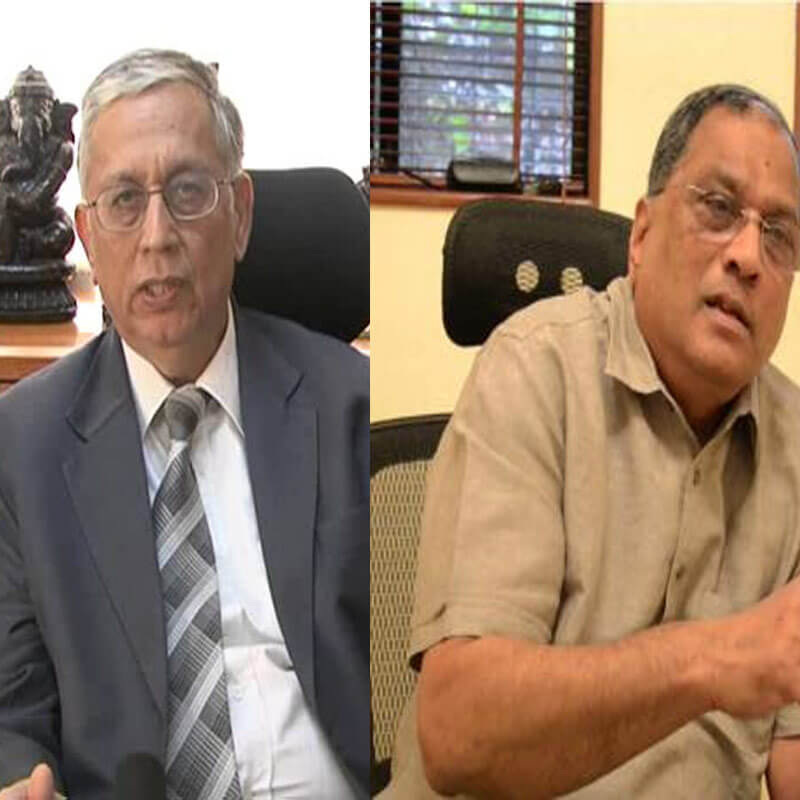
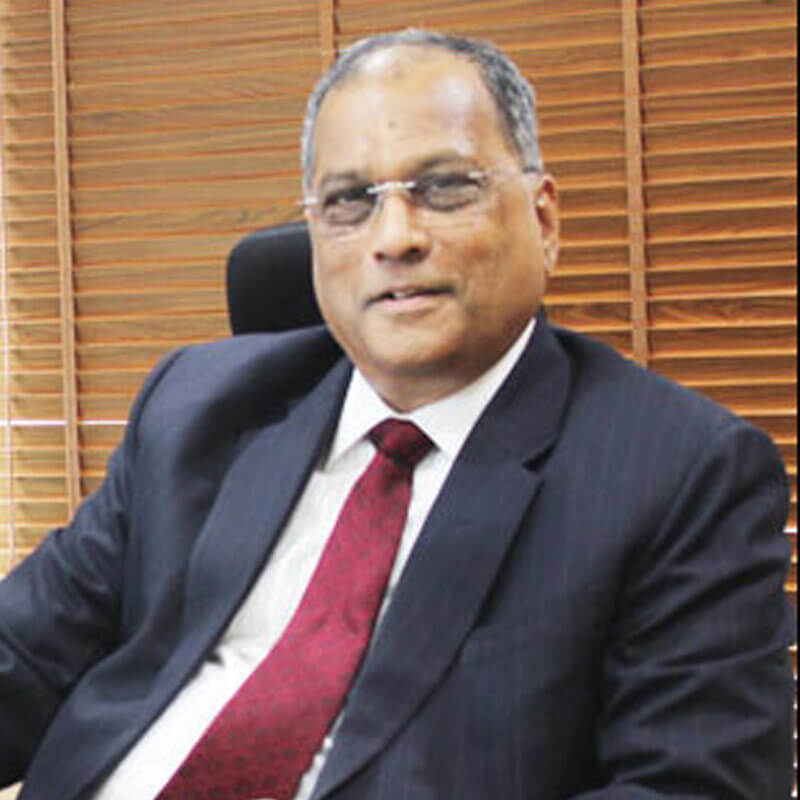
    NEW DELHI: The new CEO  & MD of Hinduja Media Group Ashok Mansukhani, a veteran of Indian media industry, has already got his priorities etched out and expressed willingness to work along with all stakeholders of the sector for the overall growth and mutual benefits.

    Speaking to Indiantelevision.com, the bureaucrat-turned-corporate-executive Mansukhani said priorities included getting digital rollout of Indian TV services “back on track”, push for promotion of digitisation and increased education of consumers, explore how some of his cable segment colleagues could benefit from digitisation and last, but not the least, to work towards bringing other segments of the media and entertainment sector, including regulators and policy-makers, together so a conducive environment for a mature dialogue could be created.

    Indirectly admitting that digitisation had hit roadblocks in the last 12-18 months owing to several reasons, Mansukhani said while the third phase of digitisation is coming to an end, edges in the fourth and last phase need to be ironed out. “At the end of the day, it’s a matter of 73 million homes in small towns and hamlets in the last phase of digitisation and we cannot take the task lightly,” he explained.

    Mansukhani, a former Indian Revenue Service government official, has seen the Indian media industry (specifically the electronic medium) grow from staid Doordarshan days to the present vibrant — and possibly a bit chaotic — stage of evolution when the country has over 800 private sector licensed TV channels, several distribution platforms and approximately 50,000 cable operators. His stints at the pubcaster’s headquarters in New Delhi’s Mandi House area, Ministry of Information and Broadcasting (MIB) and later in the private sector with the Hinduja Group, puts him in a unique position.

    According to Mansukhani, who now will be heading the media assets of the multi-billion dollar Hinduja Group, including MSO company IndusInd Media and Communications Ltd (IMCL) and the HITS venture, the Indian media and TV industry is at a critical stage of development and hinted increased litigation and face-off with the regulator and policy-makers could be detrimental  for the industry, which needs to come together to voice the genuine and common concerns of the industry.

    “I would also like to see and explore how we can help cable operator colleagues and others benefit from digitisation,” Mansukhani said, adding that a more concerted effort needs to be put in by stakeholders, including broadcasters, distribution platforms and the regulator, to educate consumers, especially those in small towns, about the long term benefit of digitisation despite the monthly outflow in subscription fee increasing a bit.

    “Consumer education is very important in general and especially for the fourth phase (of digitisation) homes. All of us need to support this education process as it would be beneficial for all stakeholders,” he said.

    Mansukhani comes in place of Tony D’Silva, who joined the Hinduja Group on 1 August 2012 as the president of Hinduja Ventures Limited and strategised the group’s media businesses. D’Silva had expressed a desire to demit office after completion of his contract on 31 January 2017 to pursue “other interests and spend more time with his family,” according to an official statement from the Hinduja Group.

    However, it needs to be seen how Mansukhani grows the comparatively new HITS business carried out under a separate group company, apart from tackling the challenges of IMCL, an MSO.

    ALSO READ:

    Ashok Mansukhani takes over as IMCL CEO & MD

    Distribution vet Tony D’silva departs from IMCL

  • Hinduja Group media head Mansukhani spells out priorities

    Hinduja Group media head Mansukhani spells out priorities

    NEW DELHI: The new CEO  & MD of Hinduja Media Group Ashok Mansukhani, a veteran of Indian media industry, has already got his priorities etched out and expressed willingness to work along with all stakeholders of the sector for the overall growth and mutual benefits.

    Speaking to Indiantelevision.com, the bureaucrat-turned-corporate-executive Mansukhani said priorities included getting digital rollout of Indian TV services “back on track”, push for promotion of digitisation and increased education of consumers, explore how some of his cable segment colleagues could benefit from digitisation and last, but not the least, to work towards bringing other segments of the media and entertainment sector, including regulators and policy-makers, together so a conducive environment for a mature dialogue could be created.

    Indirectly admitting that digitisation had hit roadblocks in the last 12-18 months owing to several reasons, Mansukhani said while the third phase of digitisation is coming to an end, edges in the fourth and last phase need to be ironed out. “At the end of the day, it’s a matter of 73 million homes in small towns and hamlets in the last phase of digitisation and we cannot take the task lightly,” he explained.

    Mansukhani, a former Indian Revenue Service government official, has seen the Indian media industry (specifically the electronic medium) grow from staid Doordarshan days to the present vibrant — and possibly a bit chaotic — stage of evolution when the country has over 800 private sector licensed TV channels, several distribution platforms and approximately 50,000 cable operators. His stints at the pubcaster’s headquarters in New Delhi’s Mandi House area, Ministry of Information and Broadcasting (MIB) and later in the private sector with the Hinduja Group, puts him in a unique position.

    According to Mansukhani, who now will be heading the media assets of the multi-billion dollar Hinduja Group, including MSO company IndusInd Media and Communications Ltd (IMCL) and the HITS venture, the Indian media and TV industry is at a critical stage of development and hinted increased litigation and face-off with the regulator and policy-makers could be detrimental  for the industry, which needs to come together to voice the genuine and common concerns of the industry.

    “I would also like to see and explore how we can help cable operator colleagues and others benefit from digitisation,” Mansukhani said, adding that a more concerted effort needs to be put in by stakeholders, including broadcasters, distribution platforms and the regulator, to educate consumers, especially those in small towns, about the long term benefit of digitisation despite the monthly outflow in subscription fee increasing a bit.

    “Consumer education is very important in general and especially for the fourth phase (of digitisation) homes. All of us need to support this education process as it would be beneficial for all stakeholders,” he said.

    Mansukhani comes in place of Tony D’Silva, who joined the Hinduja Group on 1 August 2012 as the president of Hinduja Ventures Limited and strategised the group’s media businesses. D’Silva had expressed a desire to demit office after completion of his contract on 31 January 2017 to pursue “other interests and spend more time with his family,” according to an official statement from the Hinduja Group.

    However, it needs to be seen how Mansukhani grows the comparatively new HITS business carried out under a separate group company, apart from tackling the challenges of IMCL, an MSO.

    ALSO READ:

    Ashok Mansukhani takes over as IMCL CEO & MD

    Distribution vet Tony D’silva departs from IMCL

  • Ashok Mansukhani takes over as IMCL CEO & MD

    Ashok Mansukhani takes over as IMCL CEO & MD

    MUMBAI: Hinduja Ventures Limited (HVL)’s whole-time director Ashok Mansukhani will take over from Tony D’Silva aftre the latter completes necessary formalities.

    D’Silva, after being with the Hinduja group for over four and half years, since August 2012, had expressed his desire to demit office in order to pursue other interests and spend more time with his family.

    On 1 August, 2012, D’Silva took over as the HVL president and strategised the group’s media business. He went on to head Hinduja Group companies — IndusInd Media Communications Limited and Grant Investrade Ltd. – as their MD and CEO, where he completed his service contract on 31 January ’17.

    D’Silva, in a span of around five years, overhauled the group’s media businesses in a challenging and changing environment and put it on a strong platform for growth. Under his leadership, the business conceived and launched the unique Headend-in-the-Sky (HITS) platform, designed to boost the digitisation of local cable operators and MSOs.

    D’Silva and his team established the concept of prepaid model in the cable industry, a revolution in the prevailing system of credit extension which was stressing out business.

  • Ashok Mansukhani takes over as IMCL CEO & MD

    Ashok Mansukhani takes over as IMCL CEO & MD

    MUMBAI: Hinduja Ventures Limited (HVL)’s whole-time director Ashok Mansukhani will take over from Tony D’Silva aftre the latter completes necessary formalities.

    D’Silva, after being with the Hinduja group for over four and half years, since August 2012, had expressed his desire to demit office in order to pursue other interests and spend more time with his family.

    On 1 August, 2012, D’Silva took over as the HVL president and strategised the group’s media business. He went on to head Hinduja Group companies — IndusInd Media Communications Limited and Grant Investrade Ltd. – as their MD and CEO, where he completed his service contract on 31 January ’17.

    D’Silva, in a span of around five years, overhauled the group’s media businesses in a challenging and changing environment and put it on a strong platform for growth. Under his leadership, the business conceived and launched the unique Headend-in-the-Sky (HITS) platform, designed to boost the digitisation of local cable operators and MSOs.

    D’Silva and his team established the concept of prepaid model in the cable industry, a revolution in the prevailing system of credit extension which was stressing out business.

  • Distribution vet Tony D’silva departs from IMCL

    Distribution vet Tony D’silva departs from IMCL

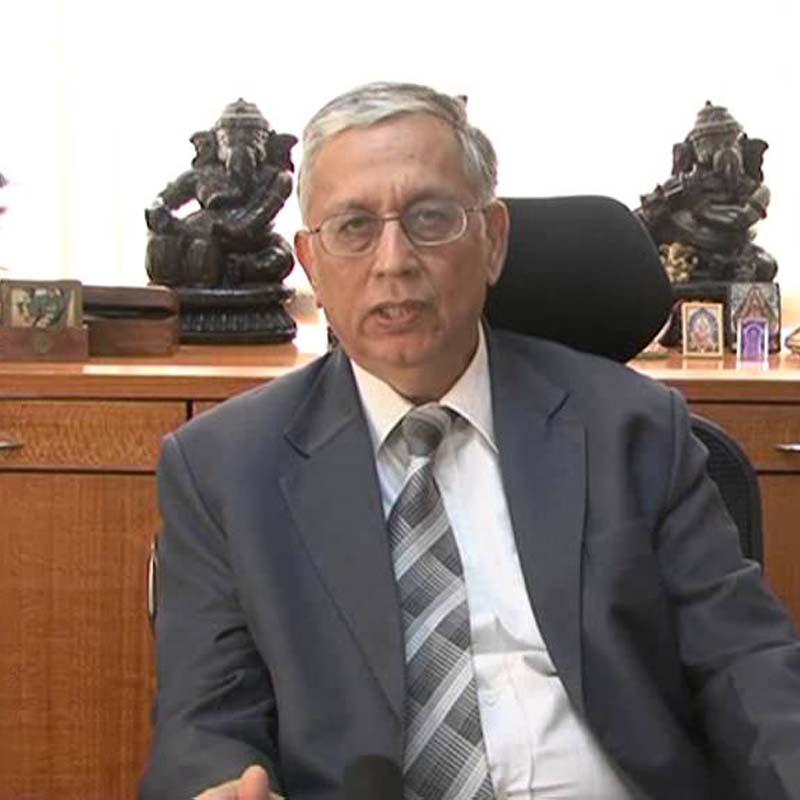
    MUMBAI: Tomorrow, Tony D’silva will serve his last day as the MD and CEO of IMCL, a wholly-owned subsidiary of Hinduja Ventures.

    “I have decided not to renew my contract (with IMCL) as I wanted to take a break,” D’Silva told Indiantelevision.com. He denied knowledge of his replacement. “They may announce it tomorrow, or whenever,” he said.

    During his stint at IMCL, he helped roll out the Hinduja-promoted headend in the sky (HITS) project NXT Digital, a process which took the group sometime, courtesy regulatory cholestrol. He also rolled out pre-paid subscriptions for the both NXT Digital and the cable network INCable which resulted in a consistent revenue stream for the latter. However, the haphazard management of the DAS III and DAS IV process by the government resulted in idelays. This meant that NXT Digital could not get fair digital content deals with some broadcasters. And this impacted its business planning.

    Looking back at the broadcast industry in India, the cable veteran of 20 years said that he witnessed exciting times in the industry. “There were tremendous challenges as well — some were natural and others created,” he remarked.

    The cable and broadcast industry was at cusp of a paradigm change, he said. “With new regulations, changes are taking place at least in spirit — if not (practically, or) legally. I hope it changed the course of the industry’s progress,” he said.

    With the positive changes — from push to a pull economy, each constituent and stakeholder of the distribution value chain, he said, must be able to sustain on its own. He said he hoped the industry’s fortunes would turn around sooner than later. He would not hazard a guess on the possible changes the budget may bring in.

    About the recent development that one MSO licence would permit pan-India service, he said the regulation, rather amendment, had come rather late in the day. “Simply, allowing the MSOs to function across India would not help immediately. From where would they get head-ends or how soon can they lay their fibre connectivity in newer area?” he questioned with a puzzled tone in his voice.

    “Until and unless, infrastructure sharing is allowed (and practically operational), there is no point in relaxation of rules which allow a cable operator to operate pan-India with a single licence,” he quipped.

    After his break, D’Silva said that he might start a business independently. On prodding about the sector he would be haring into, he shared that he only knew the broadcast industry, with a smile. .

  • Distribution vet Tony D’silva departs from IMCL

    Distribution vet Tony D’silva departs from IMCL

    MUMBAI: Tomorrow, Tony D’silva will serve his last day as the MD and CEO of IMCL, a wholly-owned subsidiary of Hinduja Ventures.

    “I have decided not to renew my contract (with IMCL) as I wanted to take a break,” D’Silva told Indiantelevision.com. He denied knowledge of his replacement. “They may announce it tomorrow, or whenever,” he said.

    During his stint at IMCL, he helped roll out the Hinduja-promoted headend in the sky (HITS) project NXT Digital, a process which took the group sometime, courtesy regulatory cholestrol. He also rolled out pre-paid subscriptions for the both NXT Digital and the cable network INCable which resulted in a consistent revenue stream for the latter. However, the haphazard management of the DAS III and DAS IV process by the government resulted in idelays. This meant that NXT Digital could not get fair digital content deals with some broadcasters. And this impacted its business planning.

    Looking back at the broadcast industry in India, the cable veteran of 20 years said that he witnessed exciting times in the industry. “There were tremendous challenges as well — some were natural and others created,” he remarked.

    The cable and broadcast industry was at cusp of a paradigm change, he said. “With new regulations, changes are taking place at least in spirit — if not (practically, or) legally. I hope it changed the course of the industry’s progress,” he said.

    With the positive changes — from push to a pull economy, each constituent and stakeholder of the distribution value chain, he said, must be able to sustain on its own. He said he hoped the industry’s fortunes would turn around sooner than later. He would not hazard a guess on the possible changes the budget may bring in.

    About the recent development that one MSO licence would permit pan-India service, he said the regulation, rather amendment, had come rather late in the day. “Simply, allowing the MSOs to function across India would not help immediately. From where would they get head-ends or how soon can they lay their fibre connectivity in newer area?” he questioned with a puzzled tone in his voice.

    “Until and unless, infrastructure sharing is allowed (and practically operational), there is no point in relaxation of rules which allow a cable operator to operate pan-India with a single licence,” he quipped.

    After his break, D’Silva said that he might start a business independently. On prodding about the sector he would be haring into, he shared that he only knew the broadcast industry, with a smile. .