
Connect with us

MUMBAI: The integrated marketers of consumer electronic productsCrutchfield is on a full-speed breakaway towards 2006 Fifa World Cup Germany. Crutchfield is in the process to develop...

MUMBAI: UTV has always been known for its multi-genre programming – be it fiction or non-fiction. In the hot summer months of May and June, the...

MUMBAI: MTV Networks inks a deal with Rap mogul Sean “Diddy” Combs to produce an untitled dance competition series. The project will focus on street dance...

MUMBAI: The Association of Electronic Interactive Marketers (AEIM) has announced that The Sims creator Will Wright will be honoured with its first-ever Hall of Fame Award....
MUMBAI: The Siam Paragon venue in Bangkok was illuminated with international and Asian stars celebrating the fifth spectacular MTV Asia Awards 2006 on 6 May. Destiny’s...

MUMBAI: Subhash Ghai-promoted Mukta Arts Ltd has invested Rs 500 million to set up Asia’s biggest film, television, animation and media arts institute in Mumbai. Whistling...

Bomanbridge Media, Vietnam’s VTV, Sonia Fleck, SkyVision, Secuoya, Earth Touch, PeacepointMUMBAI: Star Group and Richard Li’s Pacific Century CyberWorks (PCCW) will be working together to explore...
MUMBAI: Turner Entertainment Networks Asia’s (Tena) kids’ channel Pogo, created specifically for the Indian market, has more original programming up its sleeves this year. Game shows,...

MUMBAI: The Hong Kong-based PCCW Mobile announced it has become the world’s first mobile provider to broadcast real-time TV over its 3G network, using Cell Multimedia...
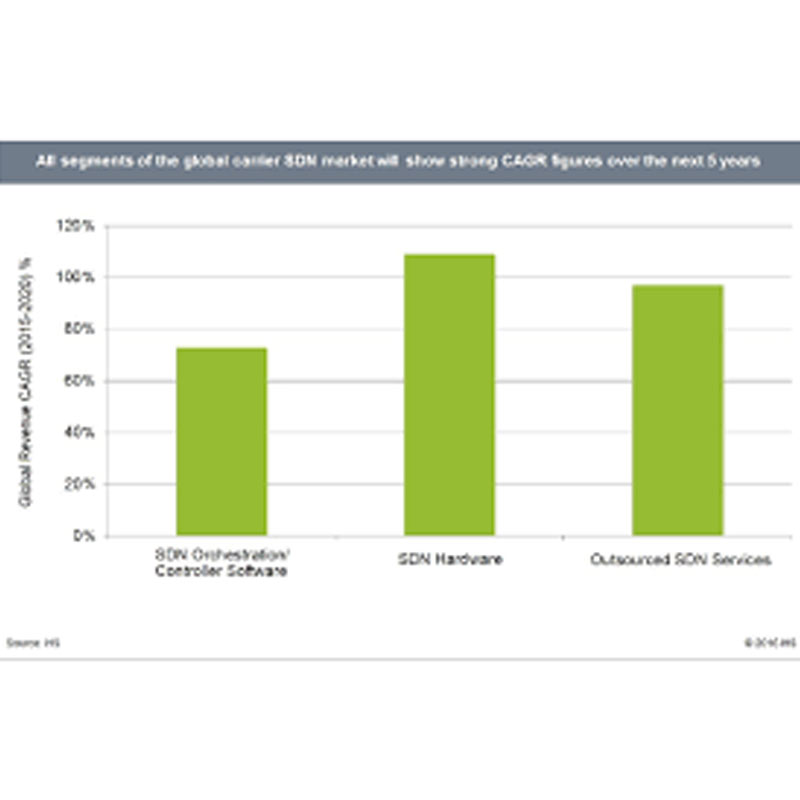
MUMBAI: India and China seem to be the key countries, that are likely to propel the growth and increase of broadband revenues in the Asia-Pacific region...

MUMBAI: US media conglomerate Viacom’s subsidiary Bet is launching a jazz channel Bet J. Bet has signed a deal with US pay-TV platform DirecTV for carriage....

MUMBAI: US media conglomerate Viacom has reported a 12 per cent rise in revenues at $2.37 billion for the first quarter ended 31 March 2006. Eight...

MUMBAI: Subhash Chandra’s DTH service Dish TV has upped the ante by invoking government help in getting those TV channels on board who have refused to...

MUMBAI: Viacom Inc. announced that it has completed the sale of Paramount Pictures’ DreamWorks film library to Soros Strategic Partners LP and Dune Entertainment II LLC,...

MUMBAI: Taking the Theme Week series forward from 15-24 May, niche channel Discovery Travel & Living premieres India’s first cookery and chef’s life based reality programme...

MUMBAI: Children will be entertained and inspired to achieve happy active lives as McDonald’s and Warner Home Video (WHV) unveil two live-action home entertainment specials, with...

MUMBAI: Satellite operator Asiasat has signed a construction agreement with Space Systems/Loral (SS/L) to design and build Asiasat 5, a replacement satellite for Asiasat 2. Asiasat...

MUMBAI: Amitabh Bachchan was the star attraction at the Gachchibowli Stadium in Hyderabad on 23 April at an event which was organised by the Telugu Film...

MUMBAI: The Erich Pommer Institut will host, in Majorca, Spain a seminar on the international format industry. The event takes place from 8-11 June 2006. The...

MUMBAI: Canada-headquartered 3D graphics and digital media silicon solutions provider ATI Technologies Inc. and Nokia have entered into a long-term strategic relationship to bring enhanced mobile...

MUMBAI: Star Plus will launch one of its biggest productions ever, the weekend blockbuster Dharti Ka Veer Yodha – Prithviraj Chauhan on Friday, 12 May at...

Mumbai April 21, 2006: Mothers day is a special day because it is dedicated to one who loves her child without questioning and expectations. ETC, Bollywood...

MUMBAI: Sony Entertainment Television (SET) India is now looking at strengthening its afternoon band, which so far aired repeats of prime time shows. Starting 15 May,...

MUMBAI: Australia’s Macquarie Media Group (MMG) says it has received all necessary regulatory approvals from the Investment Commission for its $1.19 billion acquisition in Taiwan’s third...

NEW DELHI: Court cases are buzzing all over the place in the media sector as deadlines for various guidelines, including adhering to downlink norms, near. In...
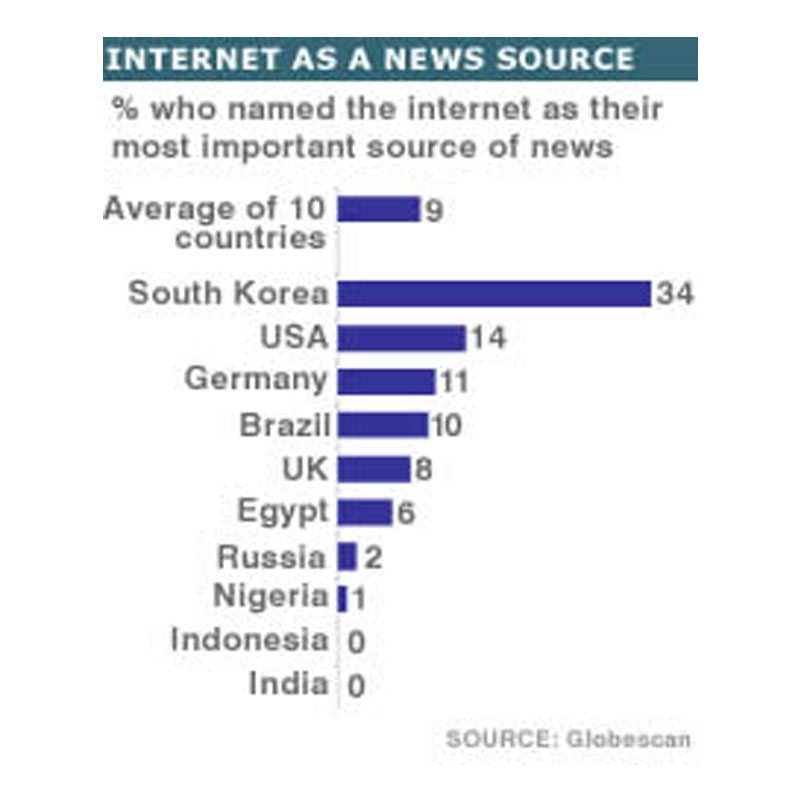
MUMBAI: In India, television and newspapers are engaged in a neck and neck fight for prominence in the news media space, while internet lags far behind....

MUMBAI: Comcast Corporation has announced that it has completed the previously announced purchase of Susquehanna Communications, the cable television and broadband services division of Susquehanna Pfaltzgraff....

MUMBAI: Zoom, the lifestyle channel from the Times group has brought glamour to the forefront. The channel held the Tuscan Verve Zoom Glam Awards where it...

MUMBAI: Microsoft Corp. has snatched the Amazon.com account from Google. The internet retailer will now be using the Microsoft technology Windows Live to power its toolbar...

MUMBAI: A majority of cable networks in Kolkata have blacked out the Star group of channels, protesting against a seven per cent rate hike. Another contention...

NEW DELHI: Even as Siti Cable today made a presentation on conditional access system to stakeholders during a government-sponsored meeting, the broadcasters said the issue of...
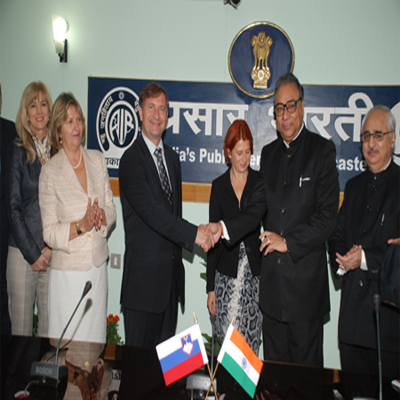
“If content is King and distribution is God, then God save the King!” That was Prasar Bharati CEO KS Sarma speaking at a recent industry seminar....
MUMBAI: Hathway Cable & Datacom is expanding its cable TV network in the northern region through the acquisition route. After buying a controlling stake in two...

NEW DELHI: The game of ping-pong being played in the name of Conditional Access System (CAS) took another turn today with the broadcasters and cable fraternity...
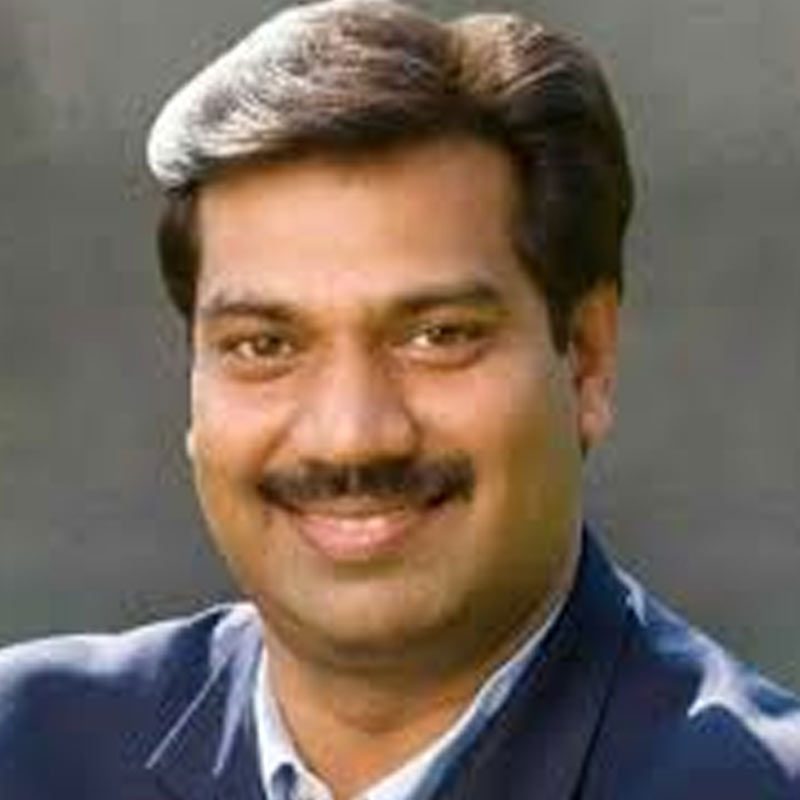
MUMBAI: The Walt Disney Television International (India) director affiliate relations Amitabh Srivastava is quitting the company in search of news challenges. Today, was his last day...

MUMBAI: MTV Networks Asia in collaboration with Motorola, a company involved in wireless and broadband communications, is set to launch a digital entertainment platform ‘Mobbed’. Targeting...

MUMBAI: Adlabs Films Ltd has has allotted 38,00,000 equity shares of Rs 5/- each for a cash at price of Rs 175.20 (including a premium of...

MUMBAI: Sahara One Media and Entertainment Limited is all set to launch its Hindi music channel. “We are launching the channel in the next few weeks,”...

MUMBAI: Actor Lou Diamond Phillips guest stars on US broadcaster NBC’s show Law & Order; SVU. He plays Jeremy Paul Wilson, a sadistic paedophile and murderer,...

MUMBAI: Metro-Goldwyn-Mayer Studios (MGM) has launched a new media division. Douglas A. Lee will oversee the new unit as executive VP. Lee will oversee MGM’s digital...

MUMBAI: UK pubcaster the BBC has announced that Doctor Who viewers are in for an extra treat when the new series launches next month. In addition...

NEW DELHI: The CAS story limps along with an early solution not in sight, as industry stakeholders are yet to find a common ground. This was...

MUMBAI: Kids with their endless curiosity have taken to the internet like fish to water, and they may be getting in way over their heads. This...

MUMBAI: China is offering another version of the reality show The Apprentice – minus Donald Trump. The show Win in China is being produced by China...

MUMBAI: Around the globe, pollution, global warming, deforestation, fishing practices, all play a part in endangering the world’s wildlife. Most often, the danger comes as a...

MUMBAI: As the CAS story firms up, so too does the interest with which big international cable companies view the Indian scenario. The most active on...

MUMBAI: A New Media Sportscasting Summit delegation survey done reveals that global broadband consumption of sports content will increase by 25 per cent over the next...
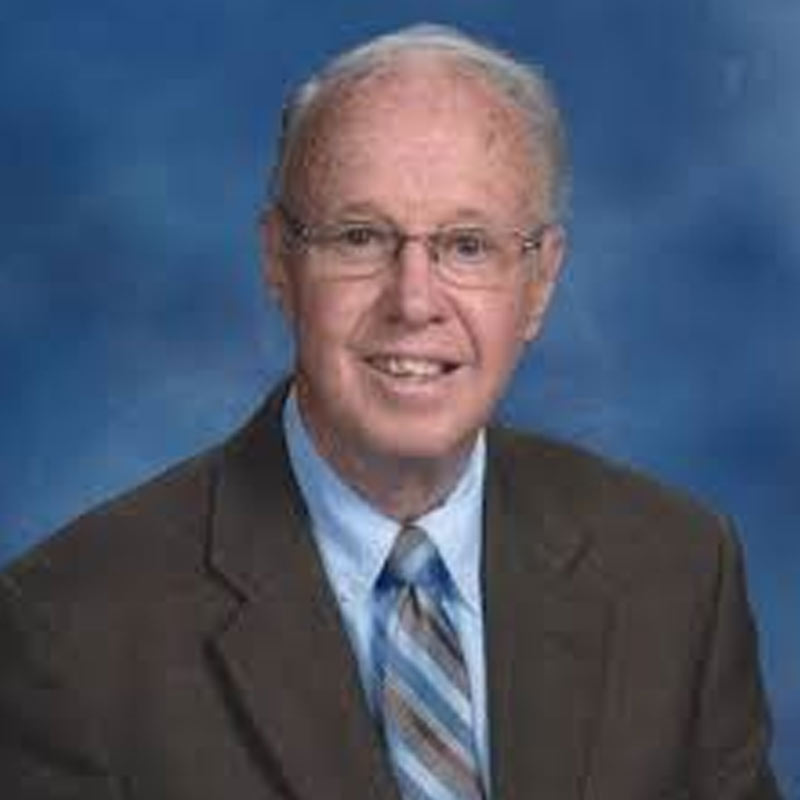
MUMBAI: With the aim of further expanding its documentary production team, National Geographic Television & Film (NGT&F) in the US has announced that Stephen Reverand has...

MUMBAI: Indian broadband content site SifyMax is doing live webcasting of the Lakme Fashion Week (LFW) 2006. The event is taking place in Mumbai till 1...

MUMBAI: Summer is just around the corner and no doubt kids’ channels have a lot of programming goodies up their sleeves. Movies, live action, animation, contests...


Platforms get three years to add features for hearing and visually impaired

Strong word-of-mouth turns Pongal satire into remake pick


Streaming giant bets on a seasoned marketer who helped build Amazon and Netflix into household names


Communications leader exits after three years spanning MD office strategy and media outreach.

Cricket star named face of Delhi Khel Mahakumbh to fuel youth talent hunt.


Kolkata-based beverage maker reports stronger revenues and profits for December quarter.


A crime thriller steps out of the shadows as Telugu storytelling claims centre stage.


From boards to bytes, chess readies for a nation-first showdown in Riyadh.


Leadership change follows layoffs, protests and a bruising battle over trust.


Revenue rises 4.3 per cent to Rs 10,209.33 crore while deferred tax gain lifts bottom line sharply


Akshay Kumar and stars launch awards at NSCI Dome on Feb 28


Merger creates one-stop hub for content, digital, and delivery


NEW DELHI: Hamdard Laboratories gathered a cross-section of India’s achievers in New Delhi on Friday, handing out the Hakeem Abdul...

MUMBAI: For decades, creative storytelling has been the cornerstone of brand communication. The “big idea” amplified through catchy jingles, striking...


MUMBAI: Zepto has elevated Ahmad Muneeb to vice president – HR centre of excellence, placing him at the helm of...

This will close in 10 seconds

