Category: Multi System Operators

  • What’s troubling HITS man Tony D’Silva?

    What’s troubling HITS man Tony D’Silva?

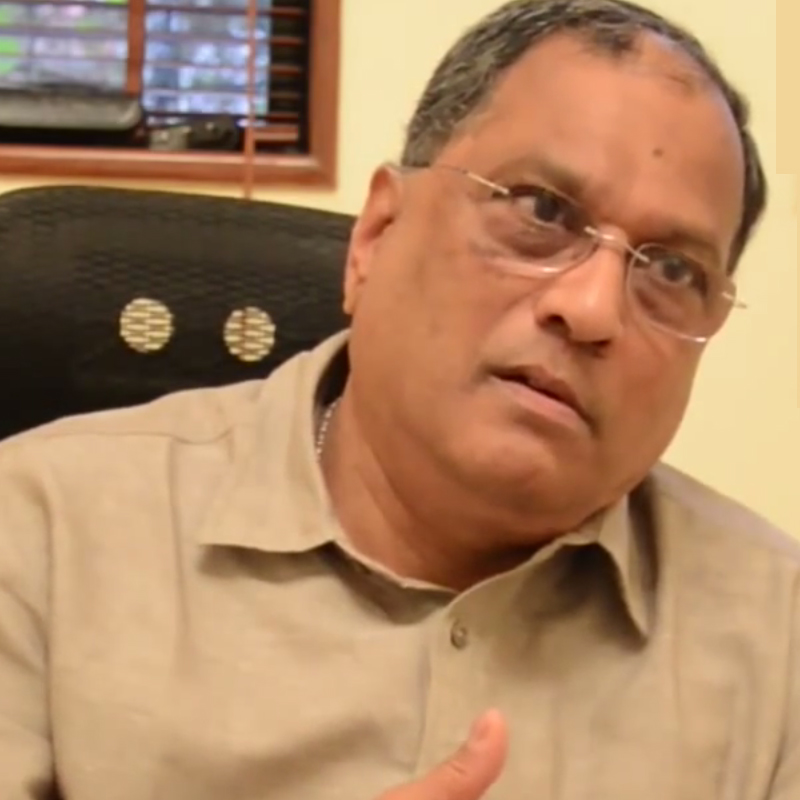
    MUMBAI: When the Hindujas announced their intentions to set up their Headend in the sky (HITS) platform to service cable dark phase III and phase IV– years ago, the project’s head – cable TV veteran Tony D’Silva – was highly excited. HITS would allow the company – Grant Investrade Ltd (GIL) – to beam out the 800 or so Indian TV channels to homes in towns and villages where setting up new or upgrading to expensive digital head ends was not viable or feasible.

    There were regulatory hurdles initially but the venture finally got off the ground last year much in advance of the DAS Phase III deadline of 31 December 2015. Tony went around marketing the project with great gusto, reaching out to cable ops in the hinterlands, got the Hindujas, the owners, to invest.

    There was interest from cable operators in almost all the areas that the product was demonstrated. The project looked very much viable as it gave cable operators a steady source of income without having to invest much in hardware and just servicing their existing subscribers.

    Then came the spate of cases in the courts of various states, and Phase III came to a grinding halt (it is now pending the decision from the Delhi high court which is expected in the next week). Analogue signals were not switched off in many parts of the country and Tony was in a bit of a fix. As are many other chieftains in MSOs like DEN and Hathway, which have reported very bloodied and battered results in Q1 2017.

    And Tony is a troubled man. Not just for that reason. He says he expects the court to rule justly in favour of digitization of the cable TV sector. However, he is not clear how many more court cases will be filed to stymie Phase III and Phase IV.

    Tony’s woes are mainly because he has been unable to strike viable content deals with some broadcasters.

    “It’s very unfair,” he states. “Some of the major broadcasters are asking the digital package price from me, but they continue to be okay with analogue pricing from cable operators in the very same phase III areas. How will I be able to offer them a digital package price to them when they are getting the same channels at analogue rates? Why will cable operators accept my superior quality digital offering? Why will an MSO and LCO agree to pay for digital services when they are also paying for analogue- that is double the price. These are questions broadcasters need to understand.”

    Another point that Tony would like to make is that broadcasters had refrained from charging any special digital rates in phase I and II areas until the cutoff dates. “We are a pure digital platform; but we are looking at serving in the now-analogue areas more,” he says.

    Tony would like to make an appeal to broadcasters and the regulator to stop charging digital package rates from him and analogue package rates from cable ops. “We are the new kid on the block and we are really aiding the spread of cable TV digitization in very difficult to reach areas of the country. I would beseech the community to give us a fair content deal at analogue rates until the analogue switch off commences. We are very open to pay digital rates once digital is switched on.”

    He goes on to point out that HITS is definitely going to help the pay TV broadcast sector get revenues in their coffers which are hitherto difficult-to-access as digitization gains in strength. “But allow us to run a feasible business first,” he says.

    Hopefully, broadcasters and the regulators will see reason in his plea.

    Meanwhile, the HITs platform is continuing with its game plan of merging GIL with IMCL – the hitherto cable TV MSO arm of the group. The company has informed the ministry of information & broadcasting about its merger intentions and has also approached the High court about the same.

    Then, over the past year or so, IMCL or Incable, has shut down or exited or bought joint ventures MSO headends where they had very little control over the operations. “We are down to about two and a half million paying cable TV customers and most of them are on a wholesale pre-paid model, so we are doing fine there,” says Tony. “The next few months are going to be very crucial. I am hopeful of things getting better,” he adds with a note of optimism.
  • What’s troubling HITS man Tony D’Silva?

    What’s troubling HITS man Tony D’Silva?

    MUMBAI: When the Hindujas announced their intentions to set up their Headend in the sky (HITS) platform to service cable dark phase III and phase IV– years ago, the project’s head – cable TV veteran Tony D’Silva – was highly excited. HITS would allow the company – Grant Investrade Ltd (GIL) – to beam out the 800 or so Indian TV channels to homes in towns and villages where setting up new or upgrading to expensive digital head ends was not viable or feasible.

    There were regulatory hurdles initially but the venture finally got off the ground last year much in advance of the DAS Phase III deadline of 31 December 2015. Tony went around marketing the project with great gusto, reaching out to cable ops in the hinterlands, got the Hindujas, the owners, to invest.

    There was interest from cable operators in almost all the areas that the product was demonstrated. The project looked very much viable as it gave cable operators a steady source of income without having to invest much in hardware and just servicing their existing subscribers.

    Then came the spate of cases in the courts of various states, and Phase III came to a grinding halt (it is now pending the decision from the Delhi high court which is expected in the next week). Analogue signals were not switched off in many parts of the country and Tony was in a bit of a fix. As are many other chieftains in MSOs like DEN and Hathway, which have reported very bloodied and battered results in Q1 2017.

    And Tony is a troubled man. Not just for that reason. He says he expects the court to rule justly in favour of digitization of the cable TV sector. However, he is not clear how many more court cases will be filed to stymie Phase III and Phase IV.

    Tony’s woes are mainly because he has been unable to strike viable content deals with some broadcasters.

    “It’s very unfair,” he states. “Some of the major broadcasters are asking the digital package price from me, but they continue to be okay with analogue pricing from cable operators in the very same phase III areas. How will I be able to offer them a digital package price to them when they are getting the same channels at analogue rates? Why will cable operators accept my superior quality digital offering? Why will an MSO and LCO agree to pay for digital services when they are also paying for analogue- that is double the price. These are questions broadcasters need to understand.”

    Another point that Tony would like to make is that broadcasters had refrained from charging any special digital rates in phase I and II areas until the cutoff dates. “We are a pure digital platform; but we are looking at serving in the now-analogue areas more,” he says.

    Tony would like to make an appeal to broadcasters and the regulator to stop charging digital package rates from him and analogue package rates from cable ops. “We are the new kid on the block and we are really aiding the spread of cable TV digitization in very difficult to reach areas of the country. I would beseech the community to give us a fair content deal at analogue rates until the analogue switch off commences. We are very open to pay digital rates once digital is switched on.”

    He goes on to point out that HITS is definitely going to help the pay TV broadcast sector get revenues in their coffers which are hitherto difficult-to-access as digitization gains in strength. “But allow us to run a feasible business first,” he says.

    Hopefully, broadcasters and the regulators will see reason in his plea.

    Meanwhile, the HITs platform is continuing with its game plan of merging GIL with IMCL – the hitherto cable TV MSO arm of the group. The company has informed the ministry of information & broadcasting about its merger intentions and has also approached the High court about the same.

    Then, over the past year or so, IMCL or Incable, has shut down or exited or bought joint ventures MSO headends where they had very little control over the operations. “We are down to about two and a half million paying cable TV customers and most of them are on a wholesale pre-paid model, so we are doing fine there,” says Tony. “The next few months are going to be very crucial. I am hopeful of things getting better,” he adds with a note of optimism.
  • MSOs urged to buy domestic set top boxes as there is no shortage

    MSOs urged to buy domestic set top boxes as there is no shortage

    NEW DELHI: Reiterating that there was no scarcity of digitally addressable set top boxes and the cut-off date of the final phase was fast approaching, Information and Broadcasting Additional Secretary Jayashree Mukherjee has urged multi system and local cable operators to place orders with domestic manufacturers.

    She has also also said that the broadcasters should develop their own AV Spots and start using these by 30 Septemberr 2016 and start a scroll on their channels to mount publicity campaign about digital addressable system.

    Chairing the 17th meeting of the DAS Task Force, Mukherjee agreed with a suggestion that an advisory may be issued by the Ministry to all MSOs to carry public awareness campaign on their local channels also.

    She said considering that the cut-off date of 31 December 2016 was fast approaching, the State Nodal Officers were requested to take help of the Assistant project Directors of Regional Units to implement complete digitization in their States and carry out regular monitoring of the progress at the State as well as District level, preferably on weekly basis.

    She said the schedule of the meeting planned at State level may be sent to the Ministry so that if required, the Ministry’s representative can also be present in some of these meetings.

    She also felt that the Ministry should regularly release Press Notes/Press Releases on the status of Cable TV Digitization.

    At the meeting held on 31 August 2016, Mukherjee, representatives of Telangana, Uttar Pradesh, Uttarakhand, Haryana, Jammu and Kashmir, Karnataka, Jharkhand, Punjab, Bihar, Rajasthan and West Bengal gave details of the progress of implementation of digitization in phase lll and measures being undertaken by them to implement the last phase of digitization in their respective States.

    Almost all of them said they were holding regular meetings to monitor the progress and are trying to resolve the issues with stakeholders in order to achieve the target of compfete digitization by the cut-off date.

    However, the Chairperson observed that more action was required to be taken by the Nodal Officers of UP, Bihar and Karnataka.

    Considering that there were around 6000 MSOs operating in the country but only about 1300 had applied for MSO registration to the Ministry, the broadcasters were requested to ask the MSOs with whom they have interconnect agreements but who have not applied for MSO registration wherher they were interested to work as MSO in the DAS notified area failing which they would not be able to act as MSO after the cut-off date.

    The representative of Sony mentioned that they have interconnect agreements with about 1500 MSOs,out of which 1101 have not applied to the Ministry for MSO registration. He confirmed that these MSOs have been advised to apply for MSO registration if they want to continue as MSO in DAS notified areas.

    The representative of Star also mentioned that they have issued similar letters to their MSOs who have not taken MSO registration from the Ministry.

    The Indian Broadcasting Foundation representative was requested to ensure that the similar action is taken by all other members of the IBF and also to supply the list with their e-mail addresses, including those from Sony, to the Ministry so that the Ministry can also write to them.

    The representative of CEAMA said they are not getting sufficient orders of STBs from the big players, though they have enough stock of STBs.

    Joint Secretary (Broadcasting) Sanjay Murthy said an issue of setting up of grievance redressal mechanism at national level for MSOs, LCOs and consumers was discussed with the representatives of broadcasters a few days back. He wanted to know the status of setting up of such a system. The representative of IBF said it was working on it and would submit a proposed plan by 10 September 2016 to the Ministry.

    While reviewing the progress of the court cases pending in Delhi High Court with regard to cut off date of phase lll digitization, the representative of IBF said it had filed an application in the Hon’ble Delhi High Court to implead them in these cases.

    Regarding the public awareness campaign, the representative of the IBF said its members have already started the public campaign using 2 AV Spots provided by the Ministry. He also said scrolls are being planned by their members. The Chairperson emphasized the need for IBF members to develop their own AV Spots as had been done on earlier occasions.

    Also read:

    DAS Phase IV: IBF asked to up campaign in addition to MIB ads

  • MSOs urged to buy domestic set top boxes as there is no shortage

    MSOs urged to buy domestic set top boxes as there is no shortage

    NEW DELHI: Reiterating that there was no scarcity of digitally addressable set top boxes and the cut-off date of the final phase was fast approaching, Information and Broadcasting Additional Secretary Jayashree Mukherjee has urged multi system and local cable operators to place orders with domestic manufacturers.

    She has also also said that the broadcasters should develop their own AV Spots and start using these by 30 Septemberr 2016 and start a scroll on their channels to mount publicity campaign about digital addressable system.

    Chairing the 17th meeting of the DAS Task Force, Mukherjee agreed with a suggestion that an advisory may be issued by the Ministry to all MSOs to carry public awareness campaign on their local channels also.

    She said considering that the cut-off date of 31 December 2016 was fast approaching, the State Nodal Officers were requested to take help of the Assistant project Directors of Regional Units to implement complete digitization in their States and carry out regular monitoring of the progress at the State as well as District level, preferably on weekly basis.

    She said the schedule of the meeting planned at State level may be sent to the Ministry so that if required, the Ministry’s representative can also be present in some of these meetings.

    She also felt that the Ministry should regularly release Press Notes/Press Releases on the status of Cable TV Digitization.

    At the meeting held on 31 August 2016, Mukherjee, representatives of Telangana, Uttar Pradesh, Uttarakhand, Haryana, Jammu and Kashmir, Karnataka, Jharkhand, Punjab, Bihar, Rajasthan and West Bengal gave details of the progress of implementation of digitization in phase lll and measures being undertaken by them to implement the last phase of digitization in their respective States.

    Almost all of them said they were holding regular meetings to monitor the progress and are trying to resolve the issues with stakeholders in order to achieve the target of compfete digitization by the cut-off date.

    However, the Chairperson observed that more action was required to be taken by the Nodal Officers of UP, Bihar and Karnataka.

    Considering that there were around 6000 MSOs operating in the country but only about 1300 had applied for MSO registration to the Ministry, the broadcasters were requested to ask the MSOs with whom they have interconnect agreements but who have not applied for MSO registration wherher they were interested to work as MSO in the DAS notified area failing which they would not be able to act as MSO after the cut-off date.

    The representative of Sony mentioned that they have interconnect agreements with about 1500 MSOs,out of which 1101 have not applied to the Ministry for MSO registration. He confirmed that these MSOs have been advised to apply for MSO registration if they want to continue as MSO in DAS notified areas.

    The representative of Star also mentioned that they have issued similar letters to their MSOs who have not taken MSO registration from the Ministry.

    The Indian Broadcasting Foundation representative was requested to ensure that the similar action is taken by all other members of the IBF and also to supply the list with their e-mail addresses, including those from Sony, to the Ministry so that the Ministry can also write to them.

    The representative of CEAMA said they are not getting sufficient orders of STBs from the big players, though they have enough stock of STBs.

    Joint Secretary (Broadcasting) Sanjay Murthy said an issue of setting up of grievance redressal mechanism at national level for MSOs, LCOs and consumers was discussed with the representatives of broadcasters a few days back. He wanted to know the status of setting up of such a system. The representative of IBF said it was working on it and would submit a proposed plan by 10 September 2016 to the Ministry.

    While reviewing the progress of the court cases pending in Delhi High Court with regard to cut off date of phase lll digitization, the representative of IBF said it had filed an application in the Hon’ble Delhi High Court to implead them in these cases.

    Regarding the public awareness campaign, the representative of the IBF said its members have already started the public campaign using 2 AV Spots provided by the Ministry. He also said scrolls are being planned by their members. The Chairperson emphasized the need for IBF members to develop their own AV Spots as had been done on earlier occasions.

    Also read:

    DAS Phase IV: IBF asked to up campaign in addition to MIB ads

  • Kashmir cable TV operators ordered to take off five TV channels

    Kashmir cable TV operators ordered to take off five TV channels

    MUMBAI: Five channels operating in Kashmir have been ordered to go off the air on account of their content which is apparently leading to a law and order problem in the state. The district magistrate (Srinagar) has issued a warning to cable TV operators to stop retransmitting KBC, Gulistan TV, Munsiff TV, JK Channel and Insaaf TV, failing which they will be punisheable under the the Cable Television Networks (Regulation Act, 1995).

    “Cable operators in Srinagar are transmitting various programmes which have created law and order problem in the Valley and Srinagar, as they transmit programmes which promote hatred, ill-will, disharmony and a feeling of enmity against the sovereignty of the State…

    programmes which have the potential of causing mental and physical harm to particular functionaries of the government,” said the magistrate’s order.

    It’s quite likely the cable TV trade in the Valley will comply. But policing and punitive action will have to follow, if the order has to yield results, say industry observers.

  • Kashmir cable TV operators ordered to take off five TV channels

    Kashmir cable TV operators ordered to take off five TV channels

    MUMBAI: Five channels operating in Kashmir have been ordered to go off the air on account of their content which is apparently leading to a law and order problem in the state. The district magistrate (Srinagar) has issued a warning to cable TV operators to stop retransmitting KBC, Gulistan TV, Munsiff TV, JK Channel and Insaaf TV, failing which they will be punisheable under the the Cable Television Networks (Regulation Act, 1995).

    “Cable operators in Srinagar are transmitting various programmes which have created law and order problem in the Valley and Srinagar, as they transmit programmes which promote hatred, ill-will, disharmony and a feeling of enmity against the sovereignty of the State…

    programmes which have the potential of causing mental and physical harm to particular functionaries of the government,” said the magistrate’s order.

    It’s quite likely the cable TV trade in the Valley will comply. But policing and punitive action will have to follow, if the order has to yield results, say industry observers.

  • Star India to settle accounts with RVR Infrastructure, signals reconnected

    Star India to settle accounts with RVR Infrastructure, signals reconnected

    NEW DELHI: Following a direction of the Telecom Disputes Settlement and Appellate Tribunal, Star India has reconnected the signals to RVR Infrastructures Ltd after the MSO paid an amount of Rs five lakh as directed.

    Member B B Srivastava was informed on 29 August 2016 that the two parties had already met for one round to reconcile accounts and would be meeting again before the next date of hearing – 5 September.

    Earlier in the hearing on 24 August 2016 on the petition by the MSO challenging the disconnection of signals by the broadcaster, the Tribunal was told by RVR counsel Sharath Sampath that two cheques for Rs 2.5 lakh each dated 30 June 2016 had been lying with the broadcaster which had not beenencashed till date. However, Star India counsel Saurabh Shrivastava said this had not been done under instructions from RVR.

    According to RVR, the disconnection notice by Star India was for clearance of outstanding ofRs 8,51,635.

    The Tribunal noted that the dis.connection notice expired on 12 August 2016 and the signalswere disconnected on 23 August 2016.

    Under those circumstances, RVR and Star India had been directed to reconcile the amount andthe MSO had been asked to pay Rs five lakh through RTGS the same day (24 August 2016).

  • Star India to settle accounts with RVR Infrastructure, signals reconnected

    Star India to settle accounts with RVR Infrastructure, signals reconnected

    NEW DELHI: Following a direction of the Telecom Disputes Settlement and Appellate Tribunal, Star India has reconnected the signals to RVR Infrastructures Ltd after the MSO paid an amount of Rs five lakh as directed.

    Member B B Srivastava was informed on 29 August 2016 that the two parties had already met for one round to reconcile accounts and would be meeting again before the next date of hearing – 5 September.

    Earlier in the hearing on 24 August 2016 on the petition by the MSO challenging the disconnection of signals by the broadcaster, the Tribunal was told by RVR counsel Sharath Sampath that two cheques for Rs 2.5 lakh each dated 30 June 2016 had been lying with the broadcaster which had not beenencashed till date. However, Star India counsel Saurabh Shrivastava said this had not been done under instructions from RVR.

    According to RVR, the disconnection notice by Star India was for clearance of outstanding ofRs 8,51,635.

    The Tribunal noted that the dis.connection notice expired on 12 August 2016 and the signalswere disconnected on 23 August 2016.

    Under those circumstances, RVR and Star India had been directed to reconcile the amount andthe MSO had been asked to pay Rs five lakh through RTGS the same day (24 August 2016).

  • Hathway to take consumers on a spiritual journey with its new channel ‘Divine’

    Hathway to take consumers on a spiritual journey with its new channel ‘Divine’

    MUMBAI: Hathway Cable and Datacom Limited, is set to offer its subscribers a journey into spirituality with the launch of its new channel ‘Divine’ today, which will be available on a Pan-India basis to all Hathway subscribers on Channel No. 47.

    The channel “Divine-Beyond all” will showcase a variety of content featuring LIVE religious festivities and spiritual events. In April this year, the MSO had launched 4 new channels in the movies and music genre- DJAY, Lamhe, Home Theatre and Marathi Talkies and the launch of Divine will add to its strong portfolio of channels. The launch face of Divine will be the upcoming grand “Ganesh Utsav” festival which is one of the biggest religious festivals in India, especially in the state of Maharashtra where the fervour and frenzy goes to a different level. Hathway has launched a multimedia campaign across its platform, print, online and outdoor to create awareness of the new channel.

    The entire 11-day Ganapati festivities from 5th-15th September will be covered LIVE and exclusive 24X7 on ‘Divine’ where subscribers will get the opportunity to be a part of the celebrations, devotions and grandeur of top Ganesh pandals across Mumbai & other cities in Maharashtra with some key ones as follows:

    Commenting on the launch of Divine, Hathway Cable and Datacom MD and CEO Jagdish Kumar, “With Divine, we have taken another step in our strategic plans to create a robust portfolio of channels providing a satellite-like experience to our subscribers and creating a solid bouquet of channels which adds value to our subscriber base.”

    Hathway’s entry into the spiritual space with a dedicated channel will offer varied, localised content to digital cable subscribers which are not available on other satellite channels in a similar genre.

    Hathway Cable and Datacom Tavinderjit Singh Panesar video business president added, “Spirituality and devotion is beyond age, culture and religion and with this thought, we have launched ‘Divine’ which aims to celebrate India and its spiritual diversity. We believe this channel can be a great differentiator for us with the line-up of LIVE festivities and content that would be showcased through the year.”

  • Hathway to take consumers on a spiritual journey with its new channel ‘Divine’

    Hathway to take consumers on a spiritual journey with its new channel ‘Divine’

    MUMBAI: Hathway Cable and Datacom Limited, is set to offer its subscribers a journey into spirituality with the launch of its new channel ‘Divine’ today, which will be available on a Pan-India basis to all Hathway subscribers on Channel No. 47.

    The channel “Divine-Beyond all” will showcase a variety of content featuring LIVE religious festivities and spiritual events. In April this year, the MSO had launched 4 new channels in the movies and music genre- DJAY, Lamhe, Home Theatre and Marathi Talkies and the launch of Divine will add to its strong portfolio of channels. The launch face of Divine will be the upcoming grand “Ganesh Utsav” festival which is one of the biggest religious festivals in India, especially in the state of Maharashtra where the fervour and frenzy goes to a different level. Hathway has launched a multimedia campaign across its platform, print, online and outdoor to create awareness of the new channel.

    The entire 11-day Ganapati festivities from 5th-15th September will be covered LIVE and exclusive 24X7 on ‘Divine’ where subscribers will get the opportunity to be a part of the celebrations, devotions and grandeur of top Ganesh pandals across Mumbai & other cities in Maharashtra with some key ones as follows:

    Commenting on the launch of Divine, Hathway Cable and Datacom MD and CEO Jagdish Kumar, “With Divine, we have taken another step in our strategic plans to create a robust portfolio of channels providing a satellite-like experience to our subscribers and creating a solid bouquet of channels which adds value to our subscriber base.”

    Hathway’s entry into the spiritual space with a dedicated channel will offer varied, localised content to digital cable subscribers which are not available on other satellite channels in a similar genre.

    Hathway Cable and Datacom Tavinderjit Singh Panesar video business president added, “Spirituality and devotion is beyond age, culture and religion and with this thought, we have launched ‘Divine’ which aims to celebrate India and its spiritual diversity. We believe this channel can be a great differentiator for us with the line-up of LIVE festivities and content that would be showcased through the year.”