Category: DAS

  • TRAI  gives smaller cable operators a break on mandatory audits

    TRAI gives smaller cable operators a break on mandatory audits

    NEW DELHI: India’s telecom regulator has proposed easing compliance burdens on smaller cable television operators whilst tightening audit procedures for the rest of the industry under draft amendments released on 22  September. 

    The Telecom Regulatory Authority of India (TRAI) plans to make annual system audits optional for distribution platform operators (DPOs) serving fewer than 30,000 active subscribers. The move follows complaints from smaller operators about the disproportionate cost of mandatory audits, which can consume a significant share of their revenues.

    The proposed draft Telecommunications  (Broadcasting And Cable) Services Interconnection  (Addressable Systems) (Seventh Amendment ) Regulations, 2025 state  that larger operators would still face stricter requirements. They must complete audits for the preceding financial year and share reports with broadcasters by 30 September each year, replacing the current calendar year framework.

    The draft also introduces new provisions for infrastructure sharing between operators. Where multiple DPOs share encoding equipment, the infrastructure provider would insert watermark logos at the encoder level whilst individual operators add their logos through set-top boxes. However, TRAI proposes limiting screen clutter by allowing only two logos—the broadcaster’s and the last-mile distributor’s—to appear simultaneously.

    The regulator has addressed longstanding industry disputes over audit challenges. Under new procedures, broadcasters questioning audit reports must cite specific discrepancies with evidence within 30 days. If unsatisfied with auditor responses, they can request special audits but must bear the costs.

    “The audit of systems is necessary to ensure that the systems deployed by a DPO are addressable as per regulatory requirements,” TRAI stated in its explanatory memorandum. “Proper and accurate subscription reports are very important as the settlement of charges between service providers is based on such reports.”
    The draft regulations also mandate that auditors provide independence certificates confirming they have no conflicts of interest with the entities being audited.

    Industry stakeholders have until 6 October to submit comments on the proposals. The amendments are scheduled to take effect from 1st April 2026.

    The move reflects TRAI’s broader effort to reduce regulatory burden on smaller operators whilst maintaining oversight of the Rs 70,000 crore broadcasting and cable services sector. The authority previously made certain compliance requirements optional for operators with fewer than 30,000 subscribers in quality-of-service regulations issued in July 2024.

    However, some industry players have criticised the proposals. Broadcaster associations argue that exempting smaller operators from mandatory audits could increase under-reporting of subscriber numbers, whilst some cable operators contend that even the revised procedures remain too burdensome.

    The draft comes as India’s television distribution industry grapples with declining subscriber bases and increased competition from digital platforms. Many smaller operators have struggled with compliance costs, particularly annual audit fees that can range from Rs 50,000 to several lakhs depending on system complexity.
    TRAI’s proposals also address technical requirements for infrastructure sharing arrangements, mandating separate data instances for each operator using shared subscriber management and conditional access systems to prevent cross-contamination of subscriber data.

    The regulator emphasised that the 30,000-subscriber threshold for audit exemptions would be reviewed periodically based on market conditions.

  • Arasu Cable TV faces broadcaster backlash over Rs 500 crore unpaid dues

    Arasu Cable TV faces broadcaster backlash over Rs 500 crore unpaid dues

    Mumbai: Broadcasters have voiced their concerns as TN govt-owned firm Arasu Cable TV (TACTV) fails to pay Rs 500-cr dues. Numerous broadcasters including Sony, Zee, Viacom, Disney Star, and Sun TV have raised concerns regarding unpaid dues which according to sources have been outstanding for over a year.

    In response to the prolonged non-payment, the Indian Broadcasting and Digital Foundation (IBDF) addressed a letter in March to Tamil Nadu’s IT and Digital Services minister Palanivel Thiagarajan and TACTV’s managing director, A John Louis, calling for a fair and sustainable business environment.

    “Given the severity of this issue and its adverse impact on the industry, we urgently seek your esteemed intervention to expedite the clearance of TACTV’s subscription dues. Resolving this matter promptly is vital for restoring confidence and stability in Tamil Nadu’s broadcasting ecosystem,” the IBDF stated in the letter dated 13 March.

    Sources indicated that the Tamil Nadu state government has not yet addressed the broadcasters’ requests, citing TACTV’s financial difficulties.

    Thiagarajan was quoted as saying by the Tamil newspaper Dinamalar on 29 June that Arasu Cable owes Rs 525 crore in fees to television broadcasting companies. The Tamil Nadu Government Cable company is in a critical state. It’s up to the contractors to provide the necessary support.

    When asked why broadcasters haven’t cut off TV channel access to TACTV, a leading broadcaster’s executive mentioned fears that the state government might retaliate against their business in the region. Another executive highlighted concerns about potential copyright issues and signal piracy if they disconnected the service.

    Broadcasters have the option to appeal for pending dues through the Telecom Disputes Settlement and Appellate Tribunal (TDSAT).

    TACTV has also not complied with a 2022 Central government advisory directing Union ministries, state governments, and union territory administrations to cease involvement in broadcasting or distribution activities by 31 December 2023. This advisory aimed to prevent the politicization of broadcasting, as content could potentially promote the ruling party and influence voters.

    The Ministry of Information and Broadcasting (MIB) has included similar provisions in the draft broadcasting bill, which will gain legal authority once enacted. MIB officials have discussed the issue with TACTV, but the matter remains sub judice.

  • Broadcasters, DPOs to crack down on piracy, analogue transmission

    Broadcasters, DPOs to crack down on piracy, analogue transmission

    NEW DELHI: There is general agreement among broadcasters and delivery platform operators including direct to home (DTH) as well as digital cable operators that a joint industry task force should be set up to check and report cases of piracy in the third and fourth phases of digital addressable system (DAS).

    There was general consensus that certain states – particularly Andhra Pradesh and Telengana – had high levels of pirated material on local television channels.

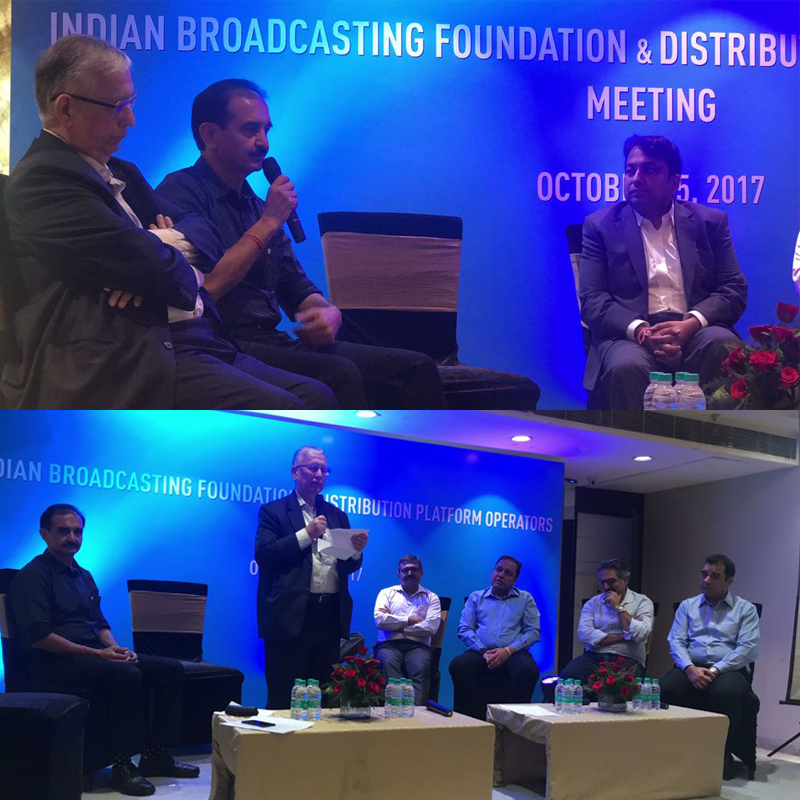
    Such were the thorny issues being discussed in a meeting held between the All India Digital Cable Operators Federation and the DTH Operators with the Indian Broadcasting Foundation (IBF) on Wednesday.

    As senior AIDCF member Ashok Mansukhani said that it was more appropriate for the stakeholders to meet in this manner than in courts of law.

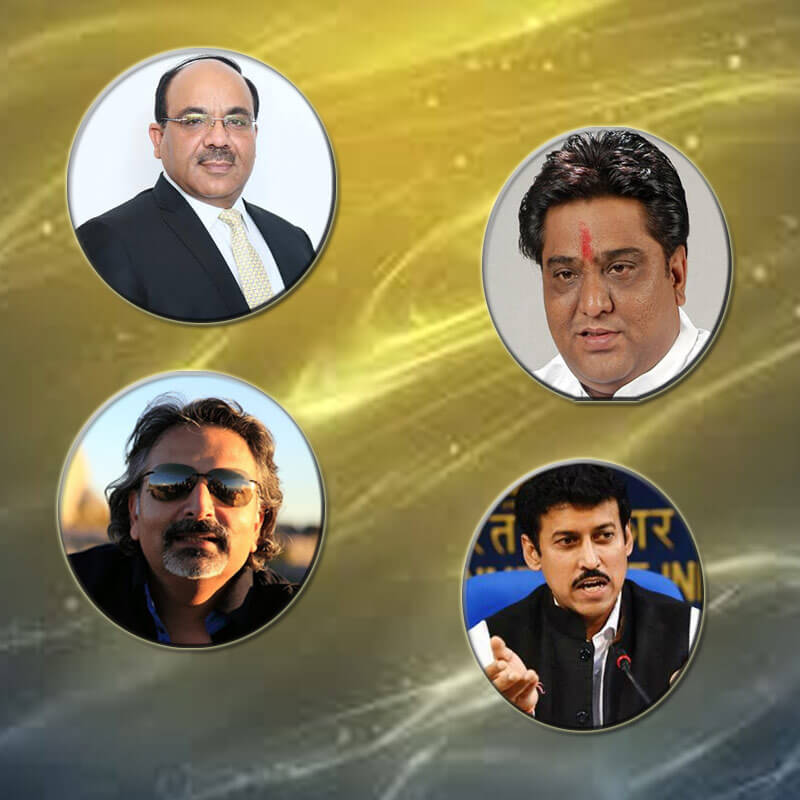
    Among others, the meeting was addressed by IBF President Punit Goenka, Jawahar Goel of Dish TV, AIDCF President Rajan Gupta and senior office-bearer S N Sharma.

    Goel said there was an attempt by Punjab and other states to bring back what he termed as the ‘inspector raj’ by imposition of local taxes. Furthermore, he said broadcasters were free to give content to OTT or YouTube, but this should not be live as it would directly hit the DPOs like the DTH players and digital cable operators.

    The larger multi-system operators (MSO) said the inefficient handling of piracy by broadcasters was the cause of their suffering. Broadcasters neglect to take actiom against operators carrying analogue signal. There are small MSOs who do not have CAS & SMS system and do not follow TRAI QoS guidelines so broadcasters should refrain from giving content to them. Hence a joint industry task force should be made to raid such operators / MSOs and initiate legal action against those operators. The News Broadcasters Association should also be made part of this.

    Issues were also raised relating to OTT, Doordarshan’s FreeDish, and Reliance Jio and the DPOs alleged that providing signals to these entities led to huge losses to the digital cable and DPOs.

    Answering various question in a presentation, Goenka said OTT rights and digital cable rights were two different issues and should not be confused. OTT was an interactive and on-demand platform and in any case was never free being part of a subscription bandwidth. Thus this should not be compared with other platforms.

    YouTube content are only the ones that have already been broadcast and therefore, there was no conflict of interest. He denied any concessions to Reliance Jio and said it was in fact paying more than digital cable.

    He expressed concern by the Jio announcement that its mobile phone could receive the signals of not only new LCD/LED television sets but also the old sets. AIDCF said that this would bring Jio under TRAI’s regulations.

    Goenka said he will advise IBF members to take up the issue with OTT providers, especially Reliance Jio. In any case, he said the present contracts forbid such activity.

    He said broadcasters are not offering OTT content on television screen by connecting Reliance Jio phone through a cable and they prohibit such an activity. But agreeing with the concern of the AIDCF, he said this would be rigorously monitored and action will be taken in case there is any violation.

    Referring to the AIDCF charge that pay channels were being given as Free to Air (FTA) to Doordarshan’s FreeDish after paying huge carriage fees, Goenka said that broadcasters like Star and Sony are offering paid live content free on Freedish but with a time lag of one year. He agreed that this should be implemented across all genres and it should be completely free to all platforms.

    He said that in any case digital cable had more channels than FreeDish which primarily comprised FTA channels and so it was unreasonable to compare the two especially as the content was also being provided to digital cable operators.

    The speakers from AIDCF said MSOs have invested around Rs 200 billion in digitisation and are yet to get the return on their investment. This is primarily on account of the growth in rates that the broadcasters demand every year. Hence it was now the question of viability and survival of the MSOs that broadcasters should come out with their MRP based pricing.


  • Delayed Arasu DAS starts, 7 mn subs to get 180 channels in Rs 125

    Delayed Arasu DAS starts, 7 mn subs to get 180 channels in Rs 125

    NEW DELHI: The Tamil Nadu Arasu Cable TV Corporation (TACTV)’s digital operations  (DAS) were launched on 1 September with the inauguration of upgraded MPEG 4 control room and distribution of free set-top boxes. Around seven million Arasu subscribers will now have access to 180 channels in digital quality at a monthly subscription of Rs 125. The STBs will be distributed among users through local cable operators who can charge a one-time activation fee of Rs 200. The distribution of free STBs will be completed in three months, an official release said.

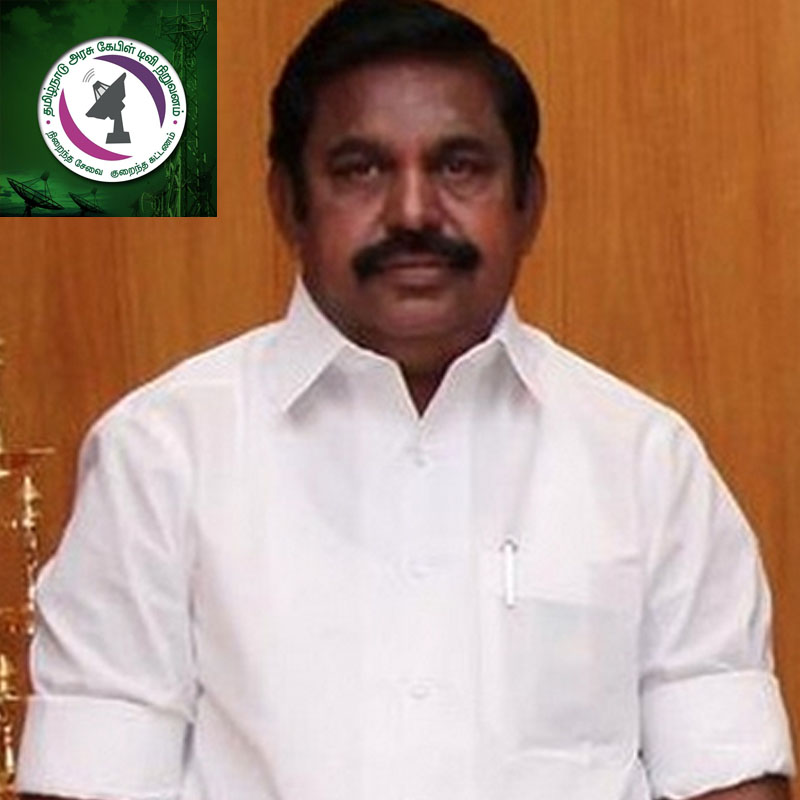
    Tamil Nadu chief minister Edappadi K. Palaniswami formally launched the digital addressable system (DAS) at Nungambakkam in Chennai. Minister for information technology M Manikandan and chief secretary Girija Vaidyanathan were also present.

    The distribution of free STBs was a promise made in the last AIADMK party manifesto by the late chief minister J Jayalalithaa.

    The Centre had in April this year given a provisional MSO licence to Arasu on the condition that it had adopts DAS within three months.

    Taking the ground that it had failed to get an adequate number of digital set-top boxes, TACTV had sought extension for three months beyond mid-July, but the Centre had only agreed to one month — till 17 August. Consequently, TACTV has been asked to complete the digitisation process by 17 August 2017 failing which the provisional the “registration may be suspended/revoked.”

    Its present application seeking a further extension is still pending with the information and broadcasting ministry.

    Four monthly packages have been offered to subscribers, including paid and free-to air channels: 180 channels for Rs 125, 230 channels for Rs 175, 260 for Rs 225, and 300 for Rs 275. The subscription fee is exclusive of 18 per cent GST.

    According to government advertisements in the local media, STBs come with a three-year warranty and TACTV is the only state-owned undertaking in India to offer STBs at no cost. TACTV is aiming at six million standard definition (SD) STBs and one million high definition (HD) STBs.

    “The proposed TV services (300 channels to start and to be expanded to 500) will be in MPEG 4 Standard definition and 30 Television services in HD (MPEG4) and 20 FM Audio services with provision to add more SD & HD Channels in the near future,” according to the tender document issued in May this year when seeking STBs.

    It also said the system will ultimately aim to broadcast 500 TV channels, including 50 HD channels and 20 FM audio Channels. The initial subscriber base is expected to be over 7 million.

    Meanwhile, the central government is still to take a final decision on repeated recommendations by the Telecom Regulatory Authority of India that states the political parties, and religious groups should not be permitted in broadcasting or distribution sectors.

    ALSO READ :

    Arasu gets a month’s extension to go digital

    Arasu to formally launch DAS in Chennai on Sept. 1

  • Arasu to formally launch DAS in Chennai on Sept. 1

    Arasu to formally launch DAS in Chennai on Sept. 1

    NEW DELHI: The Tamil Nadu Arasu Cable TV Corporation, which is still to get a permanent digital licence necessary for an MSO, is formally launching its digital system on 1 September 2017. Tamil Nadu Chief Minister Edappadi K. Palaniswami is expected to grace the occasion.

    Ministry of Information and Broadcasting (MIB) had in April this year given a provisional MSO licence to Arasu on the condition that it adopts DAS within three months, a condition that has been extended from time to time.

    Taking the ground that it had failed to get an adequate number of digital set top boxes, TACTV or Arasu had sought extension for three months beyond mid-July, but the centre had only agreed to one month till 17 August 2017. Consequently, TACTV has been asked to complete the digitisation process by 17 August failing which the provisional the “registration may be suspended/revoked.”

    A TACTV official, who did not want to be named, had then told indiantelevision.com that the state government-controlled MSO already put up most of the digital head-ends and would be ready to transmit signals by mid-August.

    According to an Arasu official, the real problem lay in the availability and seeding of seven million digital set top boxes, which may take more time. It had floated tenders in this connection to get India-made STBs, the official had said.

    Arasu is aiming at six million standard definition (SD) set-top boxes and one million high definition (HD) set top boxes.

    The proposed TV services (300 channels to start with that would be expanded to 500) will be in MPEG 4 standard definition. About 30 TV channels would be beamed in HD, while there would be also provision for 20 FM audio services.

    Though the regional party in Tamil Nadu AIADMK, which regained hold over Tamil Nadu few years back, had promised to give free STBs to subscribers as part of its election campaign, Arasu sources said a final call on that will be taken by the chief minister.

    AIADMK, a political ally of the ruling BJP-led coalition in New Delhi, is presently in turmoil and witnessing intra-party churning.

    Few days back, local cable operators had held a protest rally against Arasu alleging that it was being handed favourable treatment by MIB and that distribution of free STBs would upset the business model other players in the state.

    Meanwhile, the government is still to take a final decision on repeated reports by the Telecom Regulatory Authority of India that states, political parties, and religious groups should not be permitted in broadcasting or distribution sectors.

    ALSO READ:

    Arasu gets a month’s extension to go digital

    Arasu seeks more time to go digital as it waits for STBs

    Arasu ‘monopolistic practices’ decried by LCOs, TN body seeks GST exemption

    Godfather, Kal, Digi Cable & Intermedia licence cancellation stayed, 50 ‘pan-India’ MSOs’ op area changed

  • Analogue equipment may be seized, warns MIB

    Analogue equipment may be seized, warns MIB

    NEW DELHI: Stressing that the law permits seizure of equipment of defaulting cable operators. all state-level administrators have been asked to direct district magistrates (DMs) to take action against those operators who were still distributing analogue signals.

    In its letter to all states, the Ministry said that Section 11 of the Cable TV Networks (Regulation) Act 1005 gives powers to act against the defaulters. The letter wanted the administrators to allot about half an hour time to the Ministry, in any one of the meetings held by them with DMs in near future to highlight their role/powers.

    The Ministry also said it wanted to get the issue monitored by senior officers like Divisional Commissioner, Revenue Secretary or inspectors general. At the outset, the Ministry also said “hardly any compliance reports are being received” despite instructions given earlier.

    At the outset, the Ministry said that it had been mandated that only digital encrypted signals can be carried on the cable television networks in the country from 1 April.

    “However for its successful implementation, it is important that regular monitoring is carried out by the authorised officers {DM, SDM and CP as per Section 2 of the Cable Act to ensure that cable operators carry only digital encrypted signals, follow the provisions in the  Act and the Rules framed thereunder, and prompt action is taken against the defaulters.”

    The Ministry has prepared a Check List for inspection of MSOs by the Authorised Officers. Copy of the checklist is available at the MIB website.

    Also Read:

    Analogue signals: MIB to take action against defaulters 

    37 new MSOs in 45 days takes total to 1421, seven among 59 cases sub-judice

    LCOs to get unique TRAI number to ensure fair deals, says advisor Gupta

  • CAS market may reach $ 4.7 bn by ’22, highest growth in A-Pac

    CAS market may reach $ 4.7 bn by ’22, highest growth in A-Pac

    MUMBAI: Conditional access systems (CAS) refer to content security solutions used to restrict unauthorized subscribers from accessing paid digital broadcast services. The Conditional Access Systems (CAS) market is expected to reach US$ 4.73 billion by 2022, a TMR study found.

    Content security using CAS is achieved by encrypting/scrambling digital signals while broadcasting and then decrypting them at the user’s (authorized) end. Conditional access systems, also referred to as revenue security solutions, are mounted on set-top boxes or other receiving devices at the subscribers’ end. Conditional access systems are the most significant components used by service providers for protection against revenue loss.

    The most significant factor responsible for conditional access systems market growth is the rising penetration of digital/pay television, globally. Apart from pay televisions, CAS are also used for content protection in digital radio broadcast, internet protocol television (IPTV), and other internet-based subscription services.

    The market for conditional access systems is segmented, based on the type of solutions, into smartcard-based CAS and card-less CAS. Smartcard-based CAS are the traditional systems that include additional hardware such as chip/smartcard with embedded conditional access software. This hardware is mounted on the set-top box in order to enable content security by providing access to authorized users. Due to the prolonged existence of smartcard-based CAS, this type of CAS currently has the highest penetration in global conditional access systems market. Card-less CAS, also called as software-based conditional access system, requires no hardware and the software is embedded directly onto the set-top box. The most significant advantage of card-less CAS is their low operating and upgrading costs as compared to smartcard-based CAS. In addition, software-based CAS offer better security against hacking than smartcard-based CAS.

    The global conditional access systems market is also driven by the growing penetration of internet-based services such as internet protocol television (IPTV), on-demand video and others in different geographic regions. The demand for conditional access solutions in these applications is mainly fueled from the developed regions having large penetration of IPTV and on-demand video services. Further, the global conditional access systems market is predicted to witness strong growth due to various advancements in the conditional access solutions. Most of the companies are now focusing on development of advanced solutions such as cloud-based conditional access systems, multi-screen CAS and others.

    The global conditional access systems market is segmented into type of solutions, application and geographic regions. On the basis of solution type, the market is segmented into smartcard-based CAS and card-less CAS. In 2014, the smartcard-based CAS segment accounted for the largest share, in terms of revenue and adoption, in the global conditional access systems market. This was majorly due to the prolonged existence of these solutions in the market. However, the card-less CAS segment is estimated to witness the highest demand during the forecast period.

    This is attributed to high advantages such as low costs, easy upgrading and maintenance offered by these solutions over smartcard-based CAS. Another factor driving the growth of card-less CAS segment is its less susceptibility towards hacking. Furthermore, on the basis of applications, the global conditional access systems market is segmented into television, internet services and digital radio. The global market for conditional access systems was dominated by the television segment in 2014. The highest market share of television segment is attributed to the rapidly growing penetration of digital television worldwide. In addition, the television segment is predicted to hold its dominant position throughout the forecast period due to ongoing digital television transition in countries such as China, India, Brazil, Argentina, Mexico and others.

    In 2014, North America accounted for the largest share of over 31 per cent, in terms of revenue, in the global conditional access systems market. This is due to the high penetration of advanced digital television services such as high definition (HD) television and substantially growing adoption of Ultra HD (UHD) television. However, the global conditional access systems market is estimated to witness the highest growth in Asia Pacific during the forecast period. This is due to the rapidly increasing adoption of digital television in China and South Asia.

    The major companies in the global conditional access systems market include Cisco Systems, Inc., Nagravision SA (Kudelski Group), China Digital TV Co., Ltd., Verimatrix, Inc., Irdeto, Inc., Austrian Broadcasting Services GmbH & Co. KG (ORS Group), Viaccess-Orca (Orange Group), Coretrust, Inc., Latens Systems Ltd., Wellav Technologies Ltd. and Alticast Corporation. The global conditional access systems market is highly consolidated in nature with top three players namely Nagravision SA, Cisco Systems, Inc. and China Digital TV Holding Co., Ltd. accounting for over 70% of the market share. Other important players in this market include Irdeto, Inc., Viaccess-Orca and Verimatrix, Inc.

  • MIB cracks whip on illegal analogue signals, states asked to ensure compliance

    MIB cracks whip on illegal analogue signals, states asked to ensure compliance

    NEW DELHI: Exactly three weeks into the new era of digital addressable system for cable television in the country, the government has requested state government officers to ensure that no analogue signals are transmitted by any cable operator.

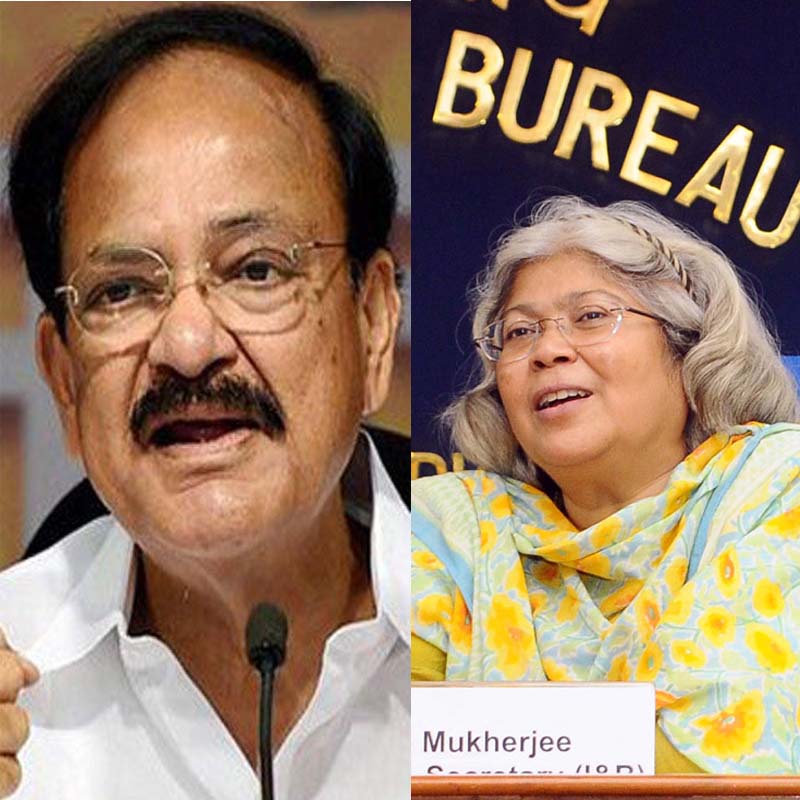
    In an advisory sent to the designated officers in state governments, information and broadcasting ministry additional secretary Jayashree Mukherjee said that, in case any MSOs/cable operators is not complying with these directions/orders, action can be initiated under Section 11 of the Cable TV Networks (Regulation) Act for  violating Section 4A of the Cable TV Act, under intimation to the Ministry.

    She added that some complaints for carriage of analogue signals are being received in the Ministry and these are being sent to the respective Authorised officers separately for taking action.

    However, conflicting reports continue to come in -particularly from Phase IV areas – of non-compliance with DAS and the continuation of analogue signals. The DTH operators have also stepped up their marketing campaigns to net the customers in these areas.

    The Ministry on 23 December 2016 had extended the cut-off date of switch over to digital in Phase IV areas to 31 March 2017 and a circular was issued on 30 March 2017 to ensure switch off of analog signals in Phase IV areas by 1 April 2017.

    Under Section 4A of the Cable Television Network (Regulation) Act 1995, it is obligatory for every cable operator to transmit or re-transmit programmes of any channel in an encrypted form through a digital addressable system with effect from the dates as may be specified or notified by the Ministry from time to time. Section 2 of the Act says the DM, SDM and CP are the authorised officers who have powers under Section 11 to seize the equipment used for operating Cable TV Network if there are violations of provisions of the Cable Act, including Section 4A.

    Also Read :

    DAS: Even official figures show cable TV digitisation is incomplete

    DAS: MSOs, LCOs give low figure of STB seeding, official sources admit it’s under 80%

    Analogue signals: MIB to take action against defaulters

    Action to be taken against analogue-using  MSOs / LCOs in urban areas

  • DAS: Even official figures show cable TV digitisation is incomplete

    DAS: Even official figures show cable TV digitisation is incomplete

    NEW DELHI: Almost two weeks after the formal switch-off of analogue in all parts of the country except Tamil Nadu, a majority of multi-system (MSOs) and local cable operators (LCOs) claimed that the seeding of set-top boxes in Phase III is just over 40 per cent, and likely to be less in Phase IV areas where people cannot afford the boxes.

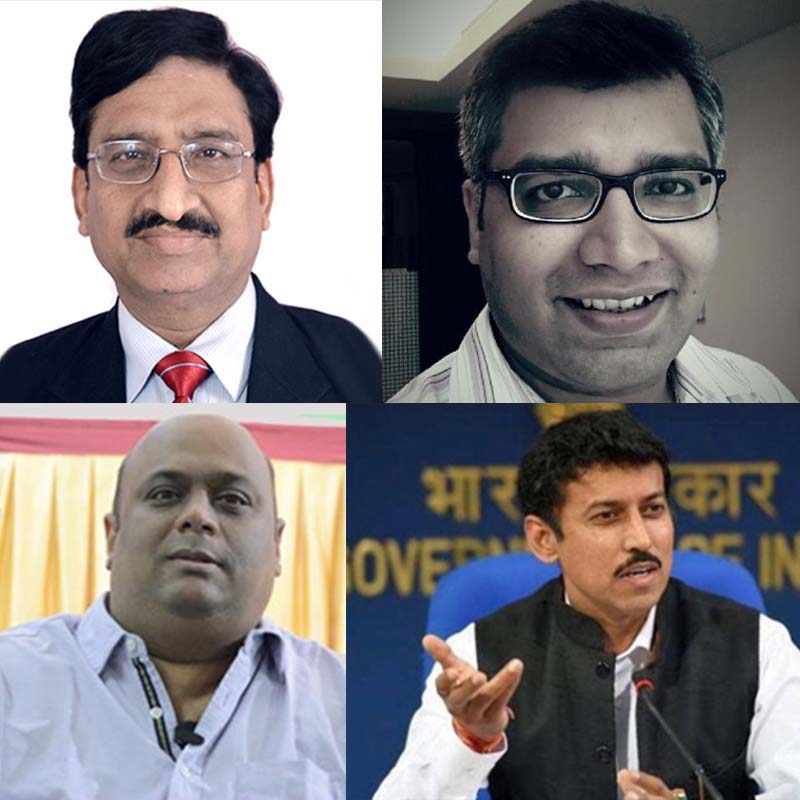
    In sharp contrast, the minister of state for information and broadcasting Rajyavardhan Rathore told the Parliament in mid-March that around 67 per cent seeding of set-top boxes had been achieved in Phase III and IV combined, while it was absolute in the first two phases (minus Tamil Nadu).

    All India Digital Cable Federation Secretary General Saharsh Damani told indiantelevision.com that reports of Phase III received from MSOs indicated that around 43 million STBs had been seeded even as the government had said that the total affected population in Phase III was just over 33 million.

    Furthermore, he said many MSOs said they had ample boxes lying with them, and so were stopping import of more boxes.

    With no clear picture emerging yet even as the country formally completes full digitisation of cable television, an information and broadcasting ministry official claimed told indiantelevision.com that the figure had already crossed 75 per cent in the final two phases. However, he admitted that some extensions had been allowed in some areas, and analogue was continuing in these areas though time limits had been set.

    Meanwhile an MSO who did not want to be named said people in rural areas could not afford boxes and monthly payments, and so they may opt for direct-to-home TV. Adding that MSOs were not doing ‘charity’ but involved in business, he said the chances were that they would take Doordarshan’s FreeDish as a cheaper option.

    Maharashtra Cable Operators Federation office-bearer Arvind Prabhoo told indiantelevision.com that the estimates received by him from Phase IV areas in his state showed just over 20 per cent cable TV homes had gone digital. He also said that, while the situation in Andhra Pradesh and Telangana with regard to Phase IV was very bad, his understanding was that these two states had achieved 60 per cent seeding of which most was in Phase III. Both states have already sought extensions from the centre.

    He added that, though he had no figures, the position in Uttar Pradesh and Madhya Pradesh was very bad – particularly in Phase IV.

    Interestingly, forseeing the DD FreeDish challenge, some DTH platforms have assured subscribers that, at a minimum sum fixed by them, it will be ensured that there is no stoppage of signals to them since DTH is in any case digital.

    About plans to help the poor acquire STBs, the ministry official said the Telecom Regulatory Authority of India had already announced schemes of payments in installments.

    Meanwhile a meeting of the Task Force for the final two phases held two weeks before total switch-off was told by the advisor (DAS) Yogendra Pal that registered operators in Phase III and Phase-IV areas had reported 64.4 million STBs, excluding Tamil Nadu, which came to 67% of the total requirement.

    While giving region-wise figures, he said that there was need to sit together and chalk out a plan for successful implementation of Cable TV digitisation across the country.

    It was decided that a meeting would be held in the office of the Indian Broadcasting Foundation and an action plan would be worked out in the presence of representatives of MSOs.

    Additional secretary Jayashree Mukherjee asked the members to outline the problems being faced by them in Phase IV areas and also their preparedness.

    A representative from SITI Cable stated that they have been facing some problems with regard to carrying of signals as the telecom bandwidth available in remote areas of Phase-IV is poorly served and can only be utilized by one or two MSOs and quality of service is affected. He again raised the issue of infrastructure sharing and wanted to know progress made in this regard.

    The ministry wanted to know if the MSOs had any proposal, noting that no such proposal had been received so far.

    A representative from GTPL Hathway stated they have no problem in Implementing digitization in Phase-IV areas. He further stated that some push-up from the State Government is also required.

    Mukherjee asked the DTH representative what initiatives have been taken by them to cover those areas where cable connectivity is not available. The representative stated that they are in the process of addressing the problems commercially as well.

    Representatives of national MSOs raised the issue of continuance of analogue signals in some areas, particularly in Telangana State and suggested that all broadcasters are required to undergo for total discontinuation of analogue signals.

    The IBF asked the MSOs for specific complaints in this regard so that immediate necessary action can be taken. He mentioned IBF has already issued Circulars/Notices to all their members to switch off analog signals in Phase III areas.

    The representatives from the State Governments outlined their readiness and action being taken by them with regard to successful implement of Digitization. They mentioned that they are holding meetings with stakeholders.

    All the stakeholders also said they have enough inventories of STBs to be seeded in Phase IV areas. No major issue is pending with regard to Cable TV Digitisation in Phase IV areas to be addressed.

    Also Read :

    DAS: MSOs, LCOs give low figure of STB seeding, official sources admit it’s under 80%

    Final phase STB seeding is 35% even as deadline nears

    DAS deadline extension ruled out, govt claims 66% seeding done


  • DAS: MSOs, LCOs give low figure of STB seeding, official sources admit it’s under 80%

    DAS: MSOs, LCOs give low figure of STB seeding, official sources admit it’s under 80%

    NEW DELHI / MUMBAI: Even as the nation has stepped into an era of full cable television digitisation, there are mixed reports coming in from around the country about the situation on the ground.

    While the government had issued a warning to all broadcasters, multi-system and local cable operators about action if they fail to switch off analogue, there are reports from almost every region that Phase IV covering rural India has still a long way to go before full implementation of digital addressable system happens.

    The Government had, in mid-January, told the Task Force that while the seeding of set-top boxes in Phase III was almost complete, the figure for Phase IV was 32 per cent. Minister of state for information and broadcasting Rajyavardhan Rathore told the Parliament in mid-March that around 67 per cent seeding of set-top boxes had been achieved in Phase III and IV while it was total in the first two phases, minus Tamil Nadu.

    A ministry source told indiantelevision.com that the figure had already crossed around 75 per cent in the final two phases. Not wanting to be named, the source ruled out any more grace period, and said that several MSOs and LCOs act only after a final warning, and therefore the chances were that the figure may be higher than those given by him.

    However, since there is no plan to help the poor acquire STBs, it is unlikely that the figure would be much higher.

    In Tamil Nadu, where there is a court stay in operation since Phase I, the state government run Arasu Cable TV Corporation (TACTV) warned MSOs and LCOs against switching off analogue signals anywhere in the state after 31 March 2017.

    Pointing out that the centre had refused to grant DAS licence to TACTV because recommendations of the Telecom Regulatory Authority of India do not permit state-owned TV or distribution networks, an MSO told indiantelevision.com that the case had been gong on for so many years primarily because the Central Government was not clearabout its stand and keeps taking adjournments.

    Meanwhile, in neighbouring Telangana and Andhra Pradesh, MSOs and LCOs said that around 40 per cent of Phase III had still to be fully seeded and the figure was bound to be higher in Phase IV areas. One MSO not wanting to be named said that there was an area in Hyderabad dominated by a particular community where even law had limited reach where analogue signals continued unchecked. “Whatever had been fixed a long time ago, remains,” the MSO said.

    Interestingly, a consumer body Citizens Welfare Society had moved the High Court for the twin states saying that, while the government had made it mandatory that DAS signals should be implemented, there was nothing in law to say that analogue has to be switched off and pleading that the two should be allowed to co-exist till people take to DAS voluntarily. Though the case was not admitted, the bench of the Court heard the viewpoints of several MSOs, LCOs, and consumer bodies over twenty hours for the few days and reserved its orders on 20 February 2017. This order is still awaited keenly by consumers as well as MSOs and LCOs.

    Siti Network Limited (Essel Group) executive director & CEO V D Wadhwa said that analogue signals had been switched off in the East Zone. Network 18/Viacom18 Group distributor Indiacast Media Group CEO (and Jio Media head – content acquisition/ alliances) Anuj Gandhi also said that analogue had been switched off in compliance with the deadline set by the Government. However, sources said that completely shutting off analogue signals in other zones may be a challenge.

    Meanwhile, an MSO in Assam said that while digitisation was complete in Guwahati, it had not even covered fifty per cent of rural Assam. In Madhya Pradesh and Chhatisgarh, MSOs and LCOs interviewed said around 40 per cent seeding had taken place in Phase IV but pointed out that the confusion because of the tariff orders had resulted in direct-go-home players targeting consumers.

    Reports from Uttar Pradesh and Uttarakhand said that while the broadcasters had switched off digital signals in most areas of Phase IV, tthis may trigger some protests over the next few days from consumers as the figure of seeding of set top boxes was very low. The DTH players were also active in these areas.

    Maharashtra Cable Operators Federation sources told www.indiantelevision.com that the broadcasters had switched off analogue signals, but rural Maharashtra which faced extreme poverty was still largely uncovered by DAS STBs. However, he said he would have a more tangible report over the next two days.

    Cable Operators Association of Gujarat president Pramod Pandya said that 80-90 per cent of the state had gone digital, but some broadcasters were still supplying analogue signals in certain areas. Meanwhile, it is learnt that Reliance Jio is planning to bring in cheaper STBs soon, though these may not have many fancy features.

    Phase I covering the Metro cities of Delhi, Mumbai, Kolkata and Chennai was originally slated for 30 June 2012 and modified to 31 October 2012. The second phase covering 38 cities (with population more than one million) was slated for 31 March 2013.

    The third Phase was to cover all other urban areas (Municipal Corporations/ Municipalities) and was originally slated for 30 September 2014 and modified to 31 December 2015 which was extended to 31 January 2017 and the final phase to 31 March 2017.