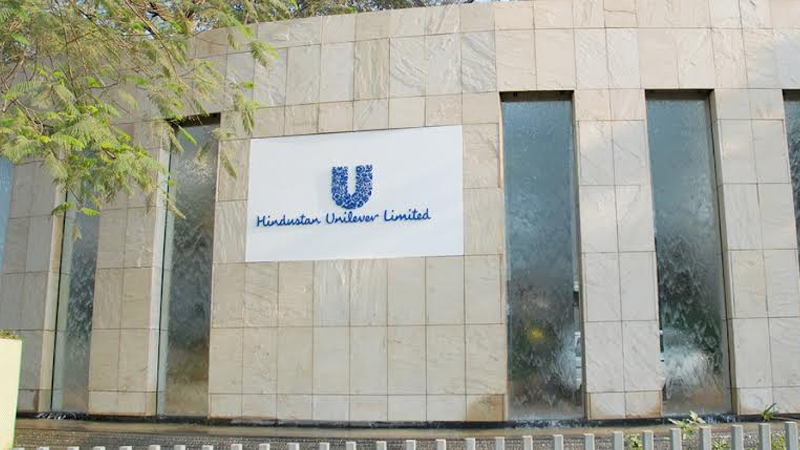
MUMBAI: Hindustan Unilever Limited (HUL) has kicked off FY26 with a frothy performance in Q1, brewing Rs 2,768 crore in net profit up 6 per cent from the same quarter last year despite flat volume growth and a mild lather of margin pressure. Total revenue stood at Rs 16,323 crore, a 5 per cent rise from the previous year’s Rs 15,547 crore, driven by modest gains across key verticals including Home Care (Rs 5,815 crore), Beauty & Wellbeing (Rs 3,265 crore), Foods (Rs 3,896 crore), and Personal Care (Rs 2,126 crore). The company’s EBITDA for the quarter clocked in at Rs 3,718 crore with a margin of 22.8 per cent, a dip of 130 basis points versus the previous year.
But what added extra glow to the balance sheet this quarter was the inclusion of Uprising Science Private Limited makers of the cult-favourite skincare and haircare brand *Minimalist*. HUL completed a 90.5 per cent stake acquisition in April 2025 for Rs 2,706 crore, and the brand’s contribution from April to June has already been factored into the consolidated earnings.
While profit before tax stood at Rs 3,362 crore, a Rs 138 crore exceptional item mostly restructuring expenses and adjustments to legacy tax provisions shaved off some sheen. However, a re-estimation of tax expenses added a 12 per cent boost to PAT growth, softening the blow.
Interestingly, despite a slight dip in operating margins, HUL managed to grow its bottom line due to disciplined cost controls and a diversified category strategy. Foods and Beverages continues to be the tastiest pie, contributing Rs 3,896 crore in revenue, while Home Care kept the household engine running with Rs 5,815 crore.
On the segment results side, Home Care led the pack with Rs 1,093 crore in profits, followed closely by Beauty & Wellbeing (Rs 1,046 crore) and Foods (Rs 627 crore). Personal Care, however, saw a relative slide, reporting Rs 398 crore for the quarter.
With this quarterly update, HUL’s CEO Rohit Jawa seems to have set a confident tone for the year. The acquisition of *Minimalist* hints at a sharper pivot towards premium and digitally native brands, while its core continues to be driven by daily-use essentials.
Even as rural demand remains patchy, and discretionary consumption cautious, HUL is leaning into a “more for less” strategy revamping portfolios while keeping margins lean and marketing sharp.
A minimalist acquisition, a maximalist balance sheet HUL might just be setting the tone for the FMCG playbook in FY26.
Leave a Reply