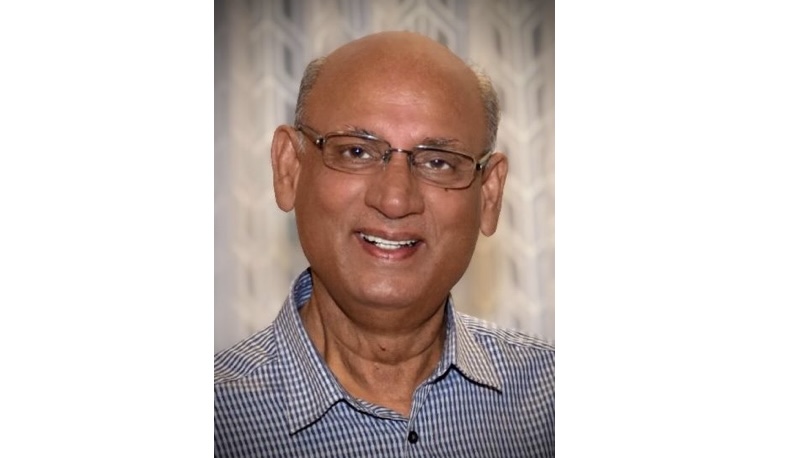
Raj Kamal Singh, known simply as RK to friends and protégés, never quite fit the mould he was born into. A Haryana-cadre bureaucrat with the air of a genial civil servant, he somehow found himself reshaping Indian broadcasting in the 1990s. First came DD Metro, conjured up with Rathikant Basu and Urmilla Gupta to inject a dash of freshness into the government-owned Doordarshan’s lumbering edifice Then came ESPN India, and later ESPN Star Sports — ventures that took him from government files to live sport, a journey no “babu” had probably attempted before.
At ESPN’s makeshift south Delhi office in the early days — a converted garment-export bungalow with half a floor to itself — Singh presided over what would become a generation-defining team. “He was the reason I found my calling in television,” recalls Anurag Dahiya, now the ICC’s chief commercial officer, who was one of the early recruits. RK, he said, was the avuncular figure in a scrappy start-up atmosphere, a mentor who mixed bureaucratic calm with private-sector mischief. He helped build up a pay television business for ESPN in cable television’s infant days.
“For us, he was an approachable CEO. (We could) walk into his cabin – just like a friend. (He was fond of) taking us for bowling…Opening his house for parties along with his loving wife and kids. (We went for) river rafting trips, His famous lassi During lunch that was open to all – endless memories that we all forever cherish with him – shining our careers,” adds NDTV special projects associate vice-president Rachna Oberoi.
Later came Zee Telefilms, where Singh sparred with cable operators, shrugged off boardroom spats and, with a trademark guffaw, told anyone who fretted: “It’s all part of business. You can’t take it very seriously. It will get sorted out.” It usually did.
Colleagues remember a man who taught by example rather than sermon. Many he hired went on to lead, or to found, sports businesses across the globe. His greatest legacy was not the channels he ran, but the people he groomed.
Eventually he walked away from the industry altogether, setting up a lodge in the forest (if we have got it right) — a suitably idiosyncratic ending for a man who had long made light of television’s supposed seriousness. On 15 August he died of a heart attack, aged 75.
The sports-broadcasting world owes him more than it realises. RK would probably chuckle at the thought, suited and booted as he was vaunt to be, dismiss the fuss, and pour another drink.
Leave a Reply