MUMBAI: There was once a time when cricket was just a sport, concerts were a luxury, and event organisers were the unsung heroes behind the scenes. Fast-forward to 2025 and the boundary lines between sports, entertainment and live events have blurred into one big, buzzing spectacle.
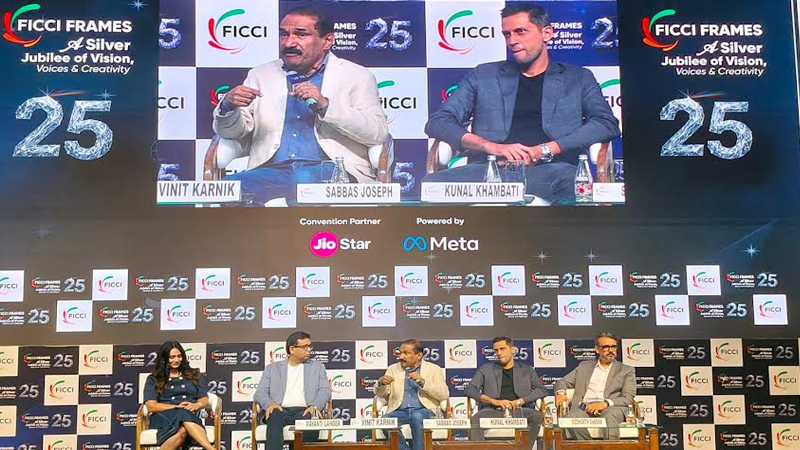
At a recent industry discussion that brought together some of the biggest names in sports, media and live entertainment, the conversation spanned everything from job creation and infrastructure to AI, accessibility, and the rise of the “fake wedding” phenomenon. If there was ever a moment that captured how deeply India now lives, breathes and monetises experience, this was it.
“Cricket is a great vehicle,” said one of the panellists, noting how the sport in India transcends language, geography and generations. “It’s not just entertainment, it’s an ecosystem.”
And it truly is. From regional commentary to AI-assisted streaming and immersive experiences, cricket has evolved into a multimedia juggernaut. Broadcasters no longer deliver just a match, they curate a universe of emotions, languages, and second-screen stats. “We’ve gone from peering through neighbours’ windows in 1983 to watching replays from six angles in six languages,” quipped one speaker. “Each fan now has their own version of the match.”
But the conversation wasn’t just about cricket’s cultural dominance, it was about its economic ripple effect. As panellist Sabas Joseph pointed out, the government has finally recognised the events and entertainment sector as a vital part of India’s economic engine.
“The government of India has created a joint working group with ten ministries to develop greenfield venues and reform licensing norms,” he revealed. “Event management is now part of state policy and economic policy.”
The statistics speak for themselves. The events industry now supports over 10 million jobs, with more than 150,000 companies across India 30 per cent of them women-owned. “We’ve gone from pleading for recognition to being written into policy,” Joseph said, to applause.
And the vision ahead? Transforming India’s cricket stadiums into multi-purpose venues for concerts, festivals and even international shows. “Stadiums already have the best infrastructure, why not use them for entertainment too?”
Kunal, another panellist from the ticketing side of the business, spoke of India’s “culture of going out” something unthinkable two decades ago. “People are attending midnight runs, 5 a.m. DJ parties, even fake weddings complete with baraat, food and music, but no bride or groom,” he laughed.
What’s powering this shift is trust and tech. “Our job now is to make live experiences predictable from clean bathrooms to clear directions,” Kunal said. Platforms like his are introducing digital-only, QR-based tickets that can’t be duplicated or resold, curbing black marketing and ensuring safety.
He also highlighted growing accessibility efforts, including partnerships with disability rights advocates to make events more inclusive from wheelchair access to seat mapping. “We want every person to experience live entertainment comfortably and safely,” he added.
If cricket built the blueprint, kabaddi proved the model works. “We Indians were sceptical at first,” said one broadcaster. “Could kabaddi, a sport we remembered from schoolyards, really become primetime entertainment?”
The answer was a resounding yes. Smart packaging, slick graphics, and a 30-second raid format turned kabaddi into India’s second most-watched sport. “We created heroes, we gave it drama, and we respected its roots,” he said. “Now it airs on global networks like ESPN, Sky and Fox.”
The takeaway: India’s homegrown sports can be global hits if nurtured right.
As another panellist pointed out, India’s live entertainment story isn’t just about star power, it’s about audience power. “In 2008, we had barely 2,500 sports clubs. Today we have over 16,500,” he said. “And ticket sales, once a myth, now drive the bulk of the business. Indians pay premium prices for premium experiences.”
From Coldplay to Lollapalooza, international acts are selling hundreds of thousands of tickets in India at global rates. “The audience is ready to spend,” said Kunal. “We just have to deliver the experience they expect.”
Technology remains the ultimate gamechanger. AI, VR and personalised feeds are transforming how people watch and attend events. Fans can switch between camera angles, get player stats on their phone, or even experience concerts in virtual reality.
And yet, the heart of it all remains human. “No government policy, no brand campaign, no festival happens without event managers,” Joseph reminded the audience. “Ours is an industry built by people from those who’ve never been to school to MBAs from the best universities.”
From the sound of it, India’s entertainment future will be part stadium, part screen, and all heart.
As one panellist summed up: “Events have become part of India’s economic and cultural DNA. We’re no longer just watching, we’re participating.”
Leave a Reply