You shipped a batch of high-value machinery overseas. However, on its way, a high wave crashes into the vessel mid-ocean, damaging not only the hull but also soaking your entire consignment. A few days later, you despatch the consignment again, but this time, the truck carrying the cargo from the port meets with an accident, damaging your goods. Now, as your cargo suffers loss after loss, you must be wondering which insurance to purchase. The answer is marine insurance, which extends coverage to various transportation modes.
Different modes of transportation under marine insurance
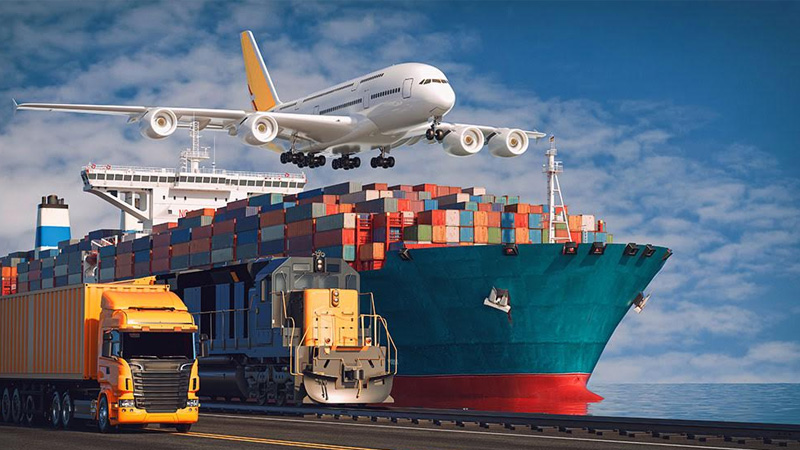
The three different modes of transportation that marine insurance covers are:
Sea transportation
Sea transportation involves the movement of cargo via ships and vessels across oceans and seas. Businesses prefer sea routes for international shipments, particularly for goods such as electronics or commodities, due to their cost-effectiveness and suitability for transporting large quantities. Under marine insurance for sea transportation, the insurer covers the following:
• The policy covers hull damage from grounding. That means if the vessel accidentally hits the seashore and results in a dent or misalignment of the hull structure, the insurer will pay for repairs.
• If the insured ship collides with another vessel and damages the cargo, navigation system, or hull under the third-party liability coverage provision in the policy, the insurer will compensate for the loss.
• If a fire breaks out on board due to faulty wiring, combustion of goods, or machinery overheating, the insurer will compensate for the resultant loss to the engine room, deck, and adjacent containers. However, a claim will only be approved if the cause of the fire is found to be unintentional and without negligence.
• While delay alone is not covered, if it causes perishable goods to deteriorate and the delay is because of a covered peril, such as a collision or a storm, the insurer compensates for the loss.
• During trans-shipment, when the cargo is moved from one ship to another, and incidents like container slippage, damage due to misaligned lifts, or exposure of cargo to seawater occurs, the insurer will offer compensation.
Air transportation
Air transportation involves using aircraft to move goods from one place to another. Although costly, it is ideal for time-sensitive deliveries where speed is crucial. It is also perfect for transporting perishable goods. The marine insurance for air transportation covers the following situations:
• The policy covers damage that occurs during the loading and unloading of goods from the aircraft, including cases involving broken conveyor belts, misaligned loaders, or mishandling by ground staff. However, it does not cover damage caused by poor packing of the cargo.
• If the aircraft carrying your shipment diverts mid-route due to technical or weather issues and the delay causes perishable cargo to spoil, the insurer will pay for the incurred losses.
• The event of pilferage, also known as partial theft by ground staff or baggage handlers, is covered. To qualify for such claims, it is essential that the cargo be properly inspected and verified and that the results are documented.
• If the airline mistakenly ships your cargo to the wrong destination and it gets lost, stolen, or damaged in the process, marine insurance will compensate for the value of the goods.
• If cargo is stolen from secure airport storage areas or while awaiting customs clearance, the policy compensates the declared value of the shipment. The coverage extends to thefts occurring inside bonded terminals.
Land transportation
Land transportation is ideal for delivering goods within domestic borders and involves vehicles such as trucks, lorries, vans, and even railways. If you have purchased marine single transit insurance for such transportation, the policy will cover the following:
• The policy covers damage to cargo during transit caused by collisions, overturns, and crashes. However, if the damage is intentional or the goods being transported are illegal, no compensation will be provided.
• If cargo is stolen or forcibly taken from the vehicle while in transit, the insurer compensates for the loss. This applies to both highway thefts and hijackings, where goods are forcibly removed.
• The policy covers accidental damage to goods during loading or unloading processes at warehouses, depots, or roadside stops. The coverage extends to damage caused by mishandling, dropping, or crushing incidents during the loading and unloading process.
• If the goods spoil or become worthless due to unavoidable delays, such as those caused by accidents or strikes that block transit routes, the insurer will cover the loss.
• The policy covers damage during inspections, customs checks, or government-authorised examinations en route.
Conclusion
Marine insurance covers sea, air, road, and land transport. The policy extends coverage to incidents like collisions, theft, fire, pilferage, and accidental damage during loading or delays. Whether your cargo travels across oceans, flies in the air or moves by road within the country, marine insurance ensures your goods are financially protected at every step of the journey.
Leave a Reply