
Brands
How Indian brands hit the festive marketing jackpot in 2025


MUMBAI: If there’s anything we Indians look forward to as much as our morning chai and newspaper, it’s the festive season. Homes come alive with the glow of diyas, embodying the victory of good over evil; floors bloom with rangoli and laxmi charans; the air fills with laughter, and the sweet aroma of mithai. And amid all this joy, brands flood algorithms, billboards, and social media timelines, eager to strengthen their customer base or build one from scratch. It’s the most lucrative time of the year for brands, with marketers pulling out all stops to win over audiences. For instance, international brands go all out to strike a chord with their Indian diaspora. Who would’ve thought we’d ever see a Diwali Barbie draped in a Anita Dongre lehenga choli? With cultural resonance ticked off and fair representation for the brown community, this isn’t just festive marketing, it’s festive marketing on steroids.
Back home, Indian brands aren’t far behind, leaving no stone unturned during the peak festive season. The festive marketing report card for India’s FMCG sector is glowing. This year, the festive season didn’t just light up homes; it set marketing budgets ablaze. With recent GST cuts lowering costs and boosting consumer sentiment, brands rolled out campaigns that evoke creativity, value, and cultural relevance.
For instance, launching gold scheme campaigns is fairly common in the retail jewellery industry, but Tanishq changed the script altogether. The House of Tata brand launched a campaign, headlined by former cricketer Sachin Tendulkar, encouraging households to repurpose existing gold, estimated at 25,000 tonnes in homes, into new designs. This reduces dependence on gold imports, which account for nearly 99 per cent of India’s annual requirement. By highlighting locally sourced and recycled gold, the campaign shifts the focus toward Indian production and sustainability, while still tapping into the cultural significance of gold during festivals.
Meanwhile, it’s no news that the concert economy in India is booming. Recently, celebrated rapper and singer Travis Scott brought his Circus Maximus World Tour to India. Bookmyshow’s new campaign ‘Travis Wali Diwali’ shows how some brands can make the most of such moments and bring in attention from their target audience. Set in a vibrant Delhi household, the film shows how young Indians blend tradition with contemporary flair, from Travis-inspired rangolis and cactus-themed décor to stylish fusion outfits. The film captures the true spirit of a generation that embraces global trends while staying rooted in India’s festive culture.
Squidjc founder Siddharth Jalan believes that last year’s post-pandemic, bargain-heavy approach is giving way to “premium storytelling” that taps into culture and identity rather than just price. He noted that consumers aren’t hunting for deals as much as they are looking to feel “part of the broader narrative.” For instance, “People don’t want a brand or a product, they want the story. Can I buy into the story? That’s when I’ll purchase your product,” he added.

Meanwhile, Abhay Group managing director and co-founder Apurv Modi points out that the ad-spend boom is being fuelled by newer platforms and formats. The rise of quick commerce, precise digital targeting and interactive hoardings is enabling brands to be everywhere i.e physical stores, social media platforms, and even hyperlocal outdoor screens.
The two leaders find common ground in noting how digital-out-of-home (DOOH) and hyperlocal advertising are gaining traction as outdoor screens become programmatic and locally tailored. At the same time, brands are diversifying across channels such as quick commerce, social media apps like Whatsapp, and precision-targeted digital spaces, reflecting how today’s consumers shop and engage. Modi added that experiential rewards and bundled offers are replacing simple markdowns, creating stronger perceived value.
On similar grounds, Jalan emphasises that Gen Z and emerging consumers are drawn to campaigns that lean into sustainability, inclusivity and regional identity, rather than just discount tags.
Influencer marketing has become another critical avenue. “Budgets are increasingly moving toward micro-influencers and mixed-use influencers who can authentically connect with niche audiences. Consumers are inspired by brands that integrate culture and identity into their messaging,” he explained.
Other notable industry moguls said this year marked a clear shift towards campaigns that marry value, emotion, and innovation: a trinity that made festive marketing more personal and purposeful than ever before. And with recent GST cuts lowering costs and lifting consumer sentiment, brands across the country are rolling out campaigns that club all these factors.
“This year, festive marketing is becoming even more value, and emotion driven. Compared to
previous years, we’re seeing a greater emphasis on regional relevance, personalisation, and
deeper engagement, rather than just top-of-the-funnel campaigns,” said Hyfun Foods head of marketing Vincent Noronha. “The recent GST rate cuts, especially packaged foods, have certainly freed up some marketing budgets. This provides both established and emerging brands, particularly regional players, an opportunity to increase visibility during the busy festive window.”
The brand recently launched its campaign “Hyfun Khao Sona Pao,” offering a direct incentive of winning gold to its customers. The campaign taps into the Indian tradition of auspicious gold purchases during festivals, creating an immediate call-to-action beyond the product itself. By strategically combining OOH advertising in Bengaluru and Delhi NCR with digital ads and quick commerce platform banners, the brand has orchestrated a cohesive, high-recall marketing blitz to leave a lasting imprint on consumers.
In a similar vein, for skincare brand Joy Personal Care (RSH Global), GST cuts and rising disposable incomes are driving broader festive engagement. CMO Poulomi Roy notes, “Economic stability, along with government measures such as GST rate reductions and tax exemptions up to ₹12 lakh, has boosted consumer confidence and purchasing power. Coupled with renewed optimism and increasing disposable incomes, these conditions are encouraging brands to invest more actively in festive campaigns.” Consumers now seek fresh looks and meaningful brand experiences, prompting brands to maintain engagement throughout the season via targeted offers, new product launches, and regional content, she added.
Roy predicts that with rising disposable incomes leading to greater affluence, certain FMCG and food categories might witness the first wave of increased consumption particularly dairy, cheese, biscuits, sauces, condiments, and instant food products. In the personal care segment, stronger traction for larger pack sizes in everyday categories such as lotions and shampoos is anticipated.
Whereas, incense sticks manufacturer and supplier Zed Black’s director Ankit Agrawal pointed out, “Lower GST rates bring cost flexibility, allowing us to reinvest in regional activations and consumer engagement.” The brand unveiled an experiential campaign featuring an eight-foot Durga idol made of incense sticks during Pujo in Kolkata, illustrating the shift from generic festive greetings to immersive storytelling. Premiumisation is a key driver, with consumers upgrading to aesthetically appealing, long-lasting products, from masala agarbatti to white-stick series.
However, Jalan offered a measured view, “GST reductions are more of a motivator than a game-changer. Consumers may feel happier, but purchasing habits haven’t shifted dramatically. For brands, the opportunity lies in leveraging the festive moment effectively and delivering value without compromising brand equity.”
He also identified key categories seeing an uptick in festive campaigns. “Beauty, fashion, and footwear are booming, along with niche segments like spices and seeds. There’s a post-pandemic appetite for premium, culturally resonant, and exotic products, giving brands more room to innovate and engage.”
There has been another consequential observation being made around the industry during this festive season: the resurgence of OOH and DOOH campaigns, but with a twist.
The role of outdoor advertising has evolved. Hyperglocal business head Sumit Taneja, observed that “brands are investing heavily in OOH and point-of-purchase branding to build stronger festive visibility.” Large-format sites, high-street displays, and transit zones, combined with in-store décor and last-mile activations, are converting awareness into purchase. Real-time data, automation, and immersive displays ensure campaigns reach consumers where they shop, travel, and celebrate.
Meanwhile, The Stone Sapphire India managing director & CEO Shobhit Singh had a lot to add regarding the surge of DOOH campaigns. “In an over-crowded and noisy digital environment, outdoor media delivers scale, visibility, and credibility, especially in high footfall locations like malls, shopping areas, and residential developments. For purchases in gifts for the home and toys, where sight and gift-giving are very important experiential elements to OOH, such as interactive displays, augmented reality billboards, and 3D displays, are connecting the offline life with digital storytelling. OOH is no longer stagnant; it is establishing itself as a dynamic storytelling opportunity, activating festive sentiment and impulse purchases,” he opined.
Roy offered a slightly different perspective. “While traditional OOH may not always directly drive engagement, formats that encourage interaction and enhance the overall experience are proving to be more effective. Interactive setups near shopping hubs and digital OOH enhanced with augmented AI can deliver stronger engagement and create more memorable brand experiences, both during the festive season and beyond.”
Jalan also agreed on the fact that DOOH is seeing a resurgence. “Outdoor is evolving. Digital billboards are no longer prohibitively costly, and even smaller startups can leverage them for short bursts of highly targeted campaigns. Hyperlocal digital outdoor, near points of sale, is increasingly being used to drive sales with a higher ROI,” he said.
Personalisation and technology are also playing a key role. “There’s tracking software that allows brands to analyse movement around a billboard and even create interactive afterimages in real time. While this isn’t widespread yet in India, it’s an example of how innovation is shaping engagement,” he added.
Similarly, Roy also shed some light on emerging technologies influencing festive campaigns. “Martech continues to be strong. Brands are using data analytics and audience insights to better understand purchase intentions, personalize festive messaging, and deliver more relevant consumer experiences across digital and offline touchpoints,” she opined.
What stands out this festive season is how brands are pushing beyond conventional campaigns to create experiences that truly resonate with consumers. From hyperlocal DOOH activations and interactive outdoor displays to storytelling rooted in culture, identity, and emotion, marketers are finding innovative ways to capture attention and engagement. Technology, personalisation, and cultural insight are no longer optional, they are essential tools in connecting with audiences in meaningful ways.









Brands
Netflix India names Rekha Rane director of films and series marketing
Streaming giant bets on a seasoned marketer who helped build Amazon and Netflix into household names
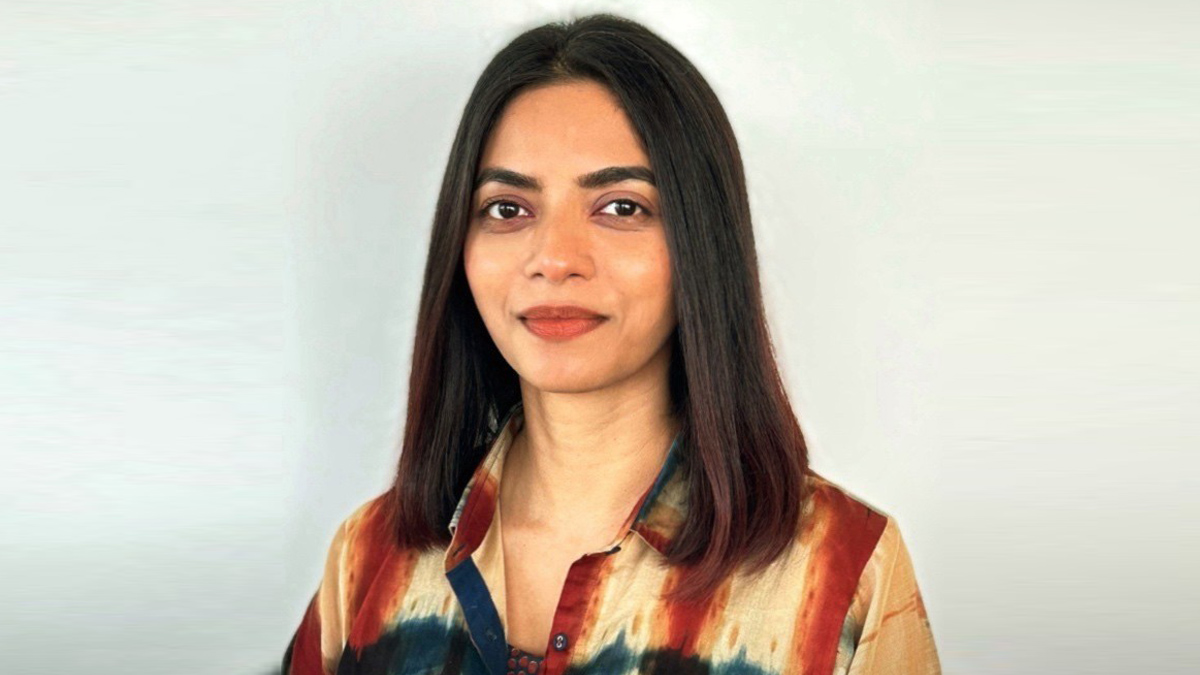
MUMBAI: Netflix has put a proven brand builder at the helm of its films and series marketing in India, naming Rekha Rane as director in a move that signals sharper focus on audience growth and cultural cut-through in one of its most hotly contested markets.
Rane steps into the role after seven years at Netflix, where she has quietly shaped how the platform sells stories to India. Her latest promotion, effective February 2026, crowns a run that spans brand, slate and product marketing across originals, licensed content and new verticals such as games.
A strategic marketing and communications professional with roughly 15 years’ experience, Rane has spent much of her career building technology-led consumer businesses and new categories, notably e-commerce and subscription video on demand. She was part of the early push that introduced Amazon.in, Prime Video and Netflix to Indian homes, then helped turn them into everyday brands.
At Netflix, she most recently served as head of brand and slate marketing for India from March 2024 to February 2026, leading teams across media and marketing for global and local content portfolios. Before that, as manager for original films and series marketing, she led IP creation and go-to-market strategy for titles including Guns and Gulaabs, Kaala Paani, The Railway Men* and The Great Indian Kapil Show, spanning both binge and weekly-release formats.
Her earlier Netflix roles covered product discovery and promotion in India and integrated campaign strategy to drive conversations around the content slate, product awareness and brand-equity metrics.
Before Netflix, Rane logged more than three years at Amazon in brand marketing roles in Bengaluru. There she handled national and regional campaigns for Amazon.in, worked on customer assistance programmes in growth geographies and contributed to the go-to-market strategy for the launch of Prime Video India.
Her career began well away from streaming. At Reliance Brands in Mumbai, she worked on retail marketing for Diesel and Superdry. A stint at Leo Burnett saw her work on primary research for P&G Tide, mapping Indian shoppers’ paths to purchase. Earlier still, at Orange in the United Kingdom, she rose from sales assistant to store manager, running a team and owning monthly P&L for a retail outlet.
The arc is telling. As global streamers fight for attention in a crowded Indian market, executives who understand both mass retail behaviour and digital habit-building are prized. Rane’s career sits at that intersection.
For Netflix, the bet is simple: in a market spoilt for choice, sharp marketing can still tilt the screen. And with Rane now leading the charge, the streamer is signalling it wants not just viewers, but fandom.
Brands
Orient Beverages pops the fizz with steady Q3 gains and rising profits
Kolkata-based beverage maker reports stronger revenues and profits for December quarter.
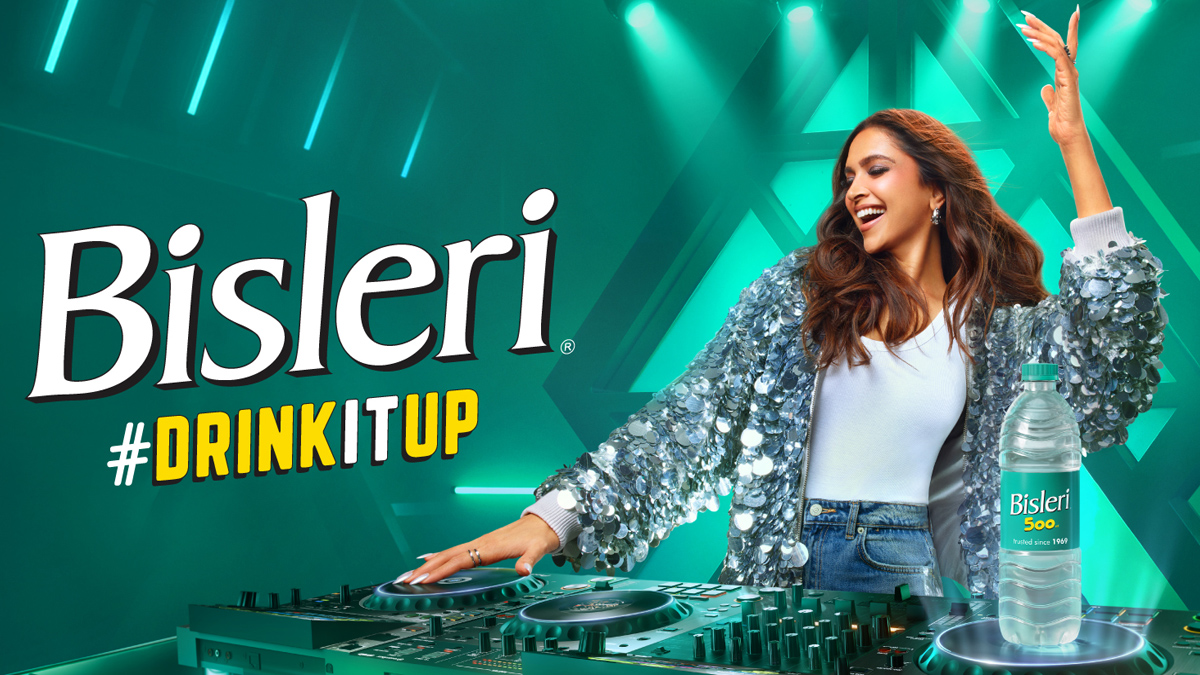
MUMBAI: A fizzy quarter with a steady aftertaste that’s how Orient Beverages Limited, the company that manufactures and distributes packaged drinking water under the brand name Bisleri closed the December 2025 period, as the Kolkata-based drinks maker reported improved revenues and a healthy rise in profits, signalling operational stability in a competitive beverage market.
For the quarter ended December 31, 2025, Orient Beverages posted standalone revenue from operations of Rs 39.98 crore, up from Rs 36.42 crore in the previous quarter and Rs 33.53 crore in the same quarter last year. Total income for the quarter stood at Rs 42.24 crore, reflecting consistent demand and stable pricing across its beverage portfolio.
Profit before tax for the quarter came in at Rs 3.47 crore, a sharp improvement from Rs 1.31 crore in the September quarter and Rs 0.39 crore a year ago. After accounting for tax expenses of Rs 0.79 crore, the company reported a net profit of Rs 2.68 crore, nearly three times the Rs 0.99 crore recorded in the preceding quarter.
On a nine-month basis, the momentum remained intact. Revenue from operations for the period ended December 31, 2025 rose to Rs 117.66 crore, compared with Rs 106.95 crore in the corresponding period last year. Net profit for the nine months climbed to Rs 5.51 crore, more than double the Rs 2.18 crore reported in the same period of the previous financial year.
The consolidated numbers told a similar story. For the December quarter, consolidated revenue from operations stood at Rs 45.06 crore, while profit after tax came in at Rs 2.06 crore. For the nine-month period, consolidated revenue touched Rs 133.57 crore, with net profit of Rs 4.49 crore, underscoring the group’s improving profitability trajectory.
Operating expenses remained largely controlled, with cost of materials, employee benefits and other expenses broadly aligned with revenue growth. The company continued to operate within a single reportable segment beverages simplifying its cost structure and reporting framework.
The unaudited financial results were reviewed by the Audit Committee and approved by the Board of Directors at its meeting held on 7 February 2026. Statutory auditors carried out a limited review and reported no material misstatements in the results.
In a market where margins are often squeezed by input costs and competition, Orient Beverages’ latest numbers suggest the company has found a reliable rhythm not explosive, but steady enough to keep the fizz alive.
Brands
BCCL profit jumps 53 per cent in FY25 as tax bill shrinks
Revenue rises 4.3 per cent to Rs 10,209.33 crore while deferred tax gain lifts bottom line sharply
NEW DELHI: Bennett, Coleman and Company (BCCL) has posted a sparkling set of financial results for the year ended 31 March 2025, proving that there is still plenty of ink and gold left in the ledger.
Revenue from operations climbed a steady 4.3 per cent, reaching Rs 10,209.33 crore compared to Rs 9,786.44 crore the previous year. When you sprinkle in other income, which rose 8.9 per cent to Rs 949.36 crore, the total income for the media behemoth hit a healthy Rs 11,158.69 crore.
While the income grew at a modest pace, the bottom line tells a far more dramatic story. The real headline is the 53 per cent surge in annual profit. How did they pull off such a feat? While Profit Before Tax (PBT) saw a gentle nudge upward of 2.7 per cent to Rs 1,610.00 crore, it was a vanishing act by the taxman that really did the trick.
Total tax expenses plummeted by 32.4 per cent, dropping from Rs 468.76 crore down to Rs 316.97 crore. This was largely thanks to a swing in deferred tax, moving from an expense of Rs 156.02 crore in FY24 to a benefit of Rs 39.44 crore this year.
Total income rose from Rs 10,658.55 crore in FY24 to Rs 11,158.69 crore in FY25, marking a 4.7 per cent increase. Total expenses grew at a slower pace, up 3.0 per cent from Rs 9,306.06 crore to Rs 9,581.45 crore. Profit before tax inched up 2.7 per cent, moving from Rs 1,567.02 crore to Rs 1,610.00 crore. However, the standout figure was net profit, which jumped sharply by 53.0 per cent, climbing from Rs 1,042.03 crore in FY24 to Rs 1,594.73 crore in FY25.
Despite the rising costs of doing business across the globe, BCCL kept a tight grip on the purse strings. Total expenses rose by just 3.0 per cent to Rs 9,581.45 crore. By keeping costs lower than the rate of income growth, the company ensured that the final figure, a net profit of Rs 1,594.73 crore, was nothing short of a front-page sensation.
In a world of shifting digital tides, it seems the BCCL ship is not just steady, but sailing into significantly wealthier waters.



MIB sets OTT accessibility rules, mandates captions and audio description

Boney Kapoor acquires remake rights of Tamil political satire Thalaivar Thambi Thalaimaiyil

Netflix India names Rekha Rane director of films and series marketing

Zabeen signs off from TV9 after shaping the network’s public voice

Dhawan steps up to bat for Delhi’s grassroots sports push

Orient Beverages pops the fizz with steady Q3 gains and rising profits

Cheekatilo shines in the dark with record debut on Prime Video

Swiggy Instamart’s GOV surges 103 per cent year on year to Rs 7,938 crore

These ’90s fashion trends are making a comeback in 2017
The final 6 ‘Game of Thrones’ episodes might feel like a full season
According to Dior Couture, this taboo fashion accessory is back
The old and New Edition cast comes together to perform

ATN International brings ATN Bangla to Canada
Phillies’ Aaron Altherr makes mind-boggling barehanded play
MIB sets OTT accessibility rules, mandates captions and audio description
Boney Kapoor acquires remake rights of Tamil political satire Thalaivar Thambi Thalaimaiyil
Netflix India names Rekha Rane director of films and series marketing
Zabeen signs off from TV9 after shaping the network’s public voice
Dhawan steps up to bat for Delhi’s grassroots sports push
Orient Beverages pops the fizz with steady Q3 gains and rising profits
Cheekatilo shines in the dark with record debut on Prime Video
-
 e-commerce1 month ago
Swiggy Instamart’s GOV surges 103 per cent year on year to Rs 7,938 crore
-
 iWorld1 year ago
Kuku TV transforms India’s OTT space with vertical microdrama boom
-
 News Headline1 year ago
TRAI puts a ‘stop’ to unsolicited calls and messages
-

 News Headline2 months ago
From selfies to big bucks, India’s influencer economy explodes in 2025
-
 Comedy2 years ago
Taarak Mehta Ka Ooltah Chashmah celebrates 4,000 episodes
-
 MAM2 years ago
OpenAI joins C2PA steering committee
-
 News Headline2 years ago
Odisha to host Ultimate Kho Kho Season 2 from December 24
-
 News Headline1 year ago
Abhishek Bachchan joins as co-owner of European T20 Premier League


