
MAM
IPL 2021: Is it game over for the media and advertising biz?

KOLKATA: The Indian Premier League (IPL) returned to Indian soil after two years amid great excitement but no one had expected that the tournament would come to a halt midway. The steep rise in Covid2019 cases in the country had already led a lot of people to question why the league was being staged, and a PIL on the same was filed before the Delhi high court. Yet, the bio bubble had acted like the shield of Aegis for the event – until it was breached.
On Tuesday, the Board of Control for Cricket in India (BCCI) decided to “postpone” the season with immediate effect. It is not certain whether the 31 remaining matches will be played in another window. The move came after multiple players across teams tested Covid positive.
A tournament which is valued at thousands of crores, a season that was expected to fetch many more crores in sponsorship and broadcasting revenue is now faced with the pivotal question: what does the suspension mean for advertisers and TV viewership? It is undoubtedly a setback for an industry which is already battling the impact of Covid2019. But experts believe it was the right call to postpone the IPL and prioritise health and safety over monetary interests.
“Given the prevailing pandemic situation, I think it is the right decision to postpone IPL for now. The health and safety of all the players and everyone involved is paramount and keeping in mind the situation and the prevailing mood of the nation, in my view it is the right decision,” Dentsu APAC CEO & India chairman Ashish Bhasin said.
The breach in the bio bubbles is just one factor for calling off the league, noted business strategist & ex- PepsiCo, Motorola & HP APAC marketing head Lloyd Mathias, who held the view that it is simply insensitive to continue with the IPL due to the magnitude of the Covid crisis in India.

“I think brands and businesses should welcome this move in the larger interests of society and their consumers. Yes, there could be some financial impact, but this is insignificant when compared to the devastation all around. There are times when businesses need to set aside their commercial objectives – in the larger interest of society, and this is one such moment,” he commented.
Pulp Strategy founder & MD Ambika Sharma claimed that everyone from sponsors, broadcasters, to the BCCI will have to bear huge losses, but the current environment is least conducive to host matches. “The high stakes of IPL should have been looked into when we see players falling to Covid infections. The infection can have multiple manifestations on the health of the players which can lead to serious lifelong illness. A mutually agreeable formula by key stakeholders can be adopted transparently to arrive at a decision when the medical experts are warning us about the Covid peak,” she added.
Significant revenue impact for the IPL ecosystem
There is no denying that the IPL will suffer a significant downturn in revenue for the current season with loss of sponsorship and broadcasting revenues for the BCCI, said Duff & Phelps managing director & valuation advisory head- APAC Varun Gupta. The league was already coping with loss of revenues from ticket sales and in-stadia F&B, besides the loss of revenue last year due to Vivo pulling out for the 2020 season, he mentioned. The teams, too, will have to face reduced revenue from the central pool and loss of team sponsorship revenues.
For advertisers, the impact will be in terms of redrawing their plans, redirecting their investments to other mediums, shared Tonic Worldwide founder & CEO Chetan Asher. Deep-pocketed brands that had lined up to cash in on the IPL could now reallocate some of their ad budgets towards relief efforts. More so for first time advertisers, they can be nimble, drive change and emerge stronger, he quipped.
“Remember, the BCCI is a very rich body, and this financial loss is an insignificant price to pay in comparison to the larger catastrophe all around. Also, insurance may help cover part of the damages, suffered by the teams, the sponsors and the broadcaster,” observed Mathias.
Brands must reformulate media strategy
Until now, brands like Cred, Dream11, PhonePe, Zomato have come out with buzzworthy IPL campaigns that captured audience interest. However, there are several creative works in the pipeline that were waiting for the league to enter its second phase, Grapes Digital COO and strategy head Shradha Agarwal pointed out. In May, many brands would have rolled out ad campaigns because the IPL advertising inventory is sold through long term contracts that are signed before the tournament begins.
“This will also impact digital agencies that are ready to launch their campaigns with influencers based on IPL. There are few possibilities, firstly, the IPL is suspended and not dropped hence, advertisers will wait for the league to resume or some clients would cease the campaign and work on Plan B because the budget was allocated for a specific period, and if the quarter changes they will back out. Small advertisers might take the route of moving to regular inventory instead of investing for the remainder of the season in one go,” she explained.
Mathias acknowledged that media planners will have to rework plans but given business sentiment is down and lockdowns are being enforced this is a good time to lay low, until the dark clouds clear. “We agree with BCCI’s decision to postpone the IPL. Focussing on tackling the current crisis in India, along with ensuring the health and safety of players, is far more important than any business impact,” Dream11 & Dream Sports CEO and co-founder Harsh Jain said.
What does the official broadcasting partner say?
“Star India supports BCCI’s decision to postpone IPL 2021. The health and safety of players, staff and everyone involved in the IPL are of paramount importance. We thank the BCCI, IPL Governing Council, players, franchisees and sponsors for their support. We are also indebted to our employees, on-air talent, production, and broadcast crews for trying their best to spread positivity by delivering the broadcast of IPL 2021 to millions of homes in the face of challenging circumstances,” the IPL broadcaster said in an official statement. But it remains to be seen how the broadcaster will strategise its content line up in the absence of IPL matches; reruns could be the easiest option.
Negative impact for overall TV industry
Advertising revenues had just started trickling back for the TV industry, with the IPL aiding this recovery the most. Now with the tournament suspended, there will be a significant impact on TV viewership, Elara Capital VP research analyst (media) Karan Taurani said. Fresh non-fiction programming on GECs – which have high going rates and contribute in a big way to ad revenue – has halted due to the filming ban. The movie genre may offer some succour with recent film releases on OTT platforms now landing on TV channels. On the other hand, viewers may again migrate to the streaming services to satiate their viewing needs.
Brands still game for the IPL
The IPL is the single largest property on television in India with an overwhelming appeal to a wide target audience, across geographies, said Dentsu’s Bhasin. It has unparalleled reach and has always proven to be an excellent vehicle for brands and it will continue to be so, he reaffirmed.
“One must also acknowledge that while it was ongoing over the last few weeks, the IPL provided three to four hours of much needed diversion and relief to the Indian masses who are reeling under a barrage of bad news on the Covid front. IPL’s ability to pull TV audiences continues unabated. Secondly, the value of any enterprise is based on its future cash earning capacity. To our mind, while there will be some revenue loss this year, the future revenue generation ability of the IPL is undiminished,” summed up Gupta.











Brands
Netflix India names Rekha Rane director of films and series marketing
Streaming giant bets on a seasoned marketer who helped build Amazon and Netflix into household names
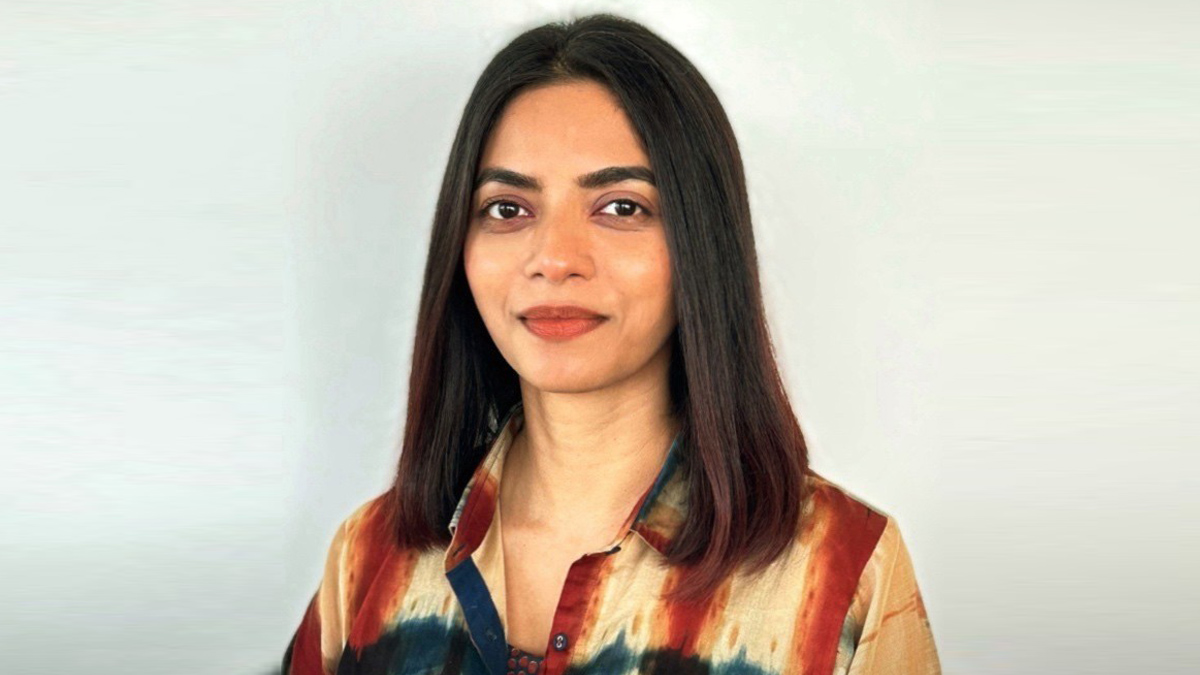
MUMBAI: Netflix has put a proven brand builder at the helm of its films and series marketing in India, naming Rekha Rane as director in a move that signals sharper focus on audience growth and cultural cut-through in one of its most hotly contested markets.
Rane steps into the role after seven years at Netflix, where she has quietly shaped how the platform sells stories to India. Her latest promotion, effective February 2026, crowns a run that spans brand, slate and product marketing across originals, licensed content and new verticals such as games.
A strategic marketing and communications professional with roughly 15 years’ experience, Rane has spent much of her career building technology-led consumer businesses and new categories, notably e-commerce and subscription video on demand. She was part of the early push that introduced Amazon.in, Prime Video and Netflix to Indian homes, then helped turn them into everyday brands.
At Netflix, she most recently served as head of brand and slate marketing for India from March 2024 to February 2026, leading teams across media and marketing for global and local content portfolios. Before that, as manager for original films and series marketing, she led IP creation and go-to-market strategy for titles including Guns and Gulaabs, Kaala Paani, The Railway Men* and The Great Indian Kapil Show, spanning both binge and weekly-release formats.
Her earlier Netflix roles covered product discovery and promotion in India and integrated campaign strategy to drive conversations around the content slate, product awareness and brand-equity metrics.
Before Netflix, Rane logged more than three years at Amazon in brand marketing roles in Bengaluru. There she handled national and regional campaigns for Amazon.in, worked on customer assistance programmes in growth geographies and contributed to the go-to-market strategy for the launch of Prime Video India.
Her career began well away from streaming. At Reliance Brands in Mumbai, she worked on retail marketing for Diesel and Superdry. A stint at Leo Burnett saw her work on primary research for P&G Tide, mapping Indian shoppers’ paths to purchase. Earlier still, at Orange in the United Kingdom, she rose from sales assistant to store manager, running a team and owning monthly P&L for a retail outlet.
The arc is telling. As global streamers fight for attention in a crowded Indian market, executives who understand both mass retail behaviour and digital habit-building are prized. Rane’s career sits at that intersection.
For Netflix, the bet is simple: in a market spoilt for choice, sharp marketing can still tilt the screen. And with Rane now leading the charge, the streamer is signalling it wants not just viewers, but fandom.
Brands
Orient Beverages pops the fizz with steady Q3 gains and rising profits
Kolkata-based beverage maker reports stronger revenues and profits for December quarter.
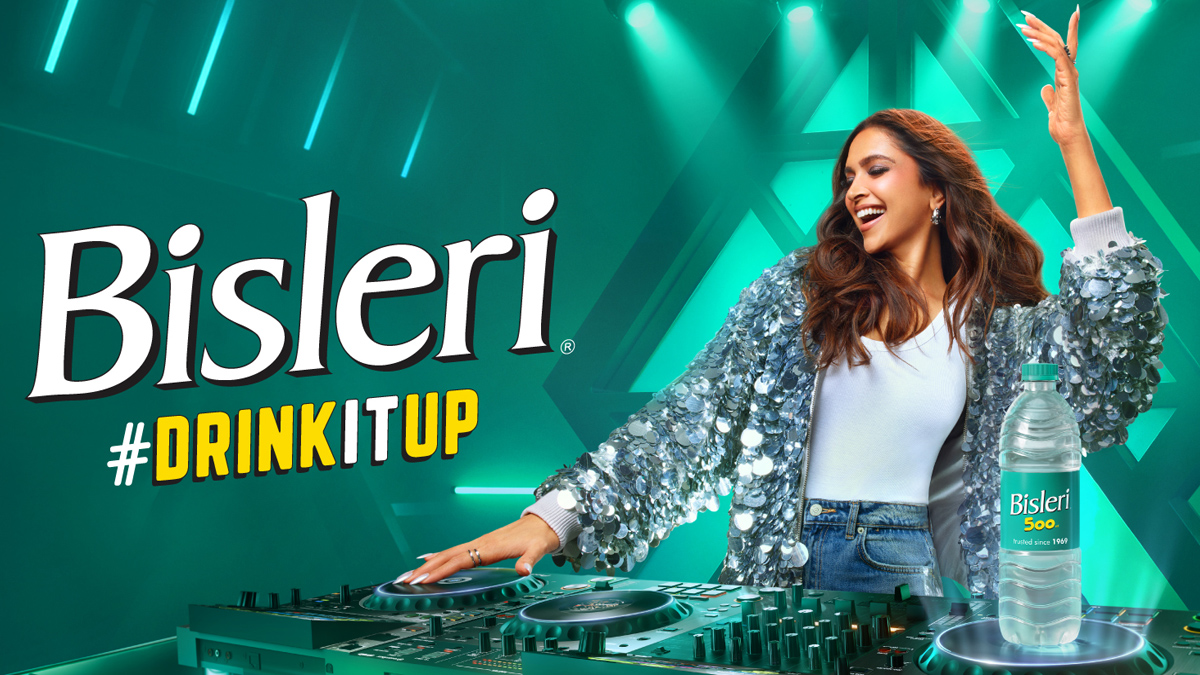
MUMBAI: A fizzy quarter with a steady aftertaste that’s how Orient Beverages Limited, the company that manufactures and distributes packaged drinking water under the brand name Bisleri closed the December 2025 period, as the Kolkata-based drinks maker reported improved revenues and a healthy rise in profits, signalling operational stability in a competitive beverage market.
For the quarter ended December 31, 2025, Orient Beverages posted standalone revenue from operations of Rs 39.98 crore, up from Rs 36.42 crore in the previous quarter and Rs 33.53 crore in the same quarter last year. Total income for the quarter stood at Rs 42.24 crore, reflecting consistent demand and stable pricing across its beverage portfolio.
Profit before tax for the quarter came in at Rs 3.47 crore, a sharp improvement from Rs 1.31 crore in the September quarter and Rs 0.39 crore a year ago. After accounting for tax expenses of Rs 0.79 crore, the company reported a net profit of Rs 2.68 crore, nearly three times the Rs 0.99 crore recorded in the preceding quarter.
On a nine-month basis, the momentum remained intact. Revenue from operations for the period ended December 31, 2025 rose to Rs 117.66 crore, compared with Rs 106.95 crore in the corresponding period last year. Net profit for the nine months climbed to Rs 5.51 crore, more than double the Rs 2.18 crore reported in the same period of the previous financial year.
The consolidated numbers told a similar story. For the December quarter, consolidated revenue from operations stood at Rs 45.06 crore, while profit after tax came in at Rs 2.06 crore. For the nine-month period, consolidated revenue touched Rs 133.57 crore, with net profit of Rs 4.49 crore, underscoring the group’s improving profitability trajectory.
Operating expenses remained largely controlled, with cost of materials, employee benefits and other expenses broadly aligned with revenue growth. The company continued to operate within a single reportable segment beverages simplifying its cost structure and reporting framework.
The unaudited financial results were reviewed by the Audit Committee and approved by the Board of Directors at its meeting held on 7 February 2026. Statutory auditors carried out a limited review and reported no material misstatements in the results.
In a market where margins are often squeezed by input costs and competition, Orient Beverages’ latest numbers suggest the company has found a reliable rhythm not explosive, but steady enough to keep the fizz alive.
MAM
Washington Post CEO exits abruptly after newsroom cuts spark backlash
Leadership change follows layoffs, protests and a bruising battle over trust.
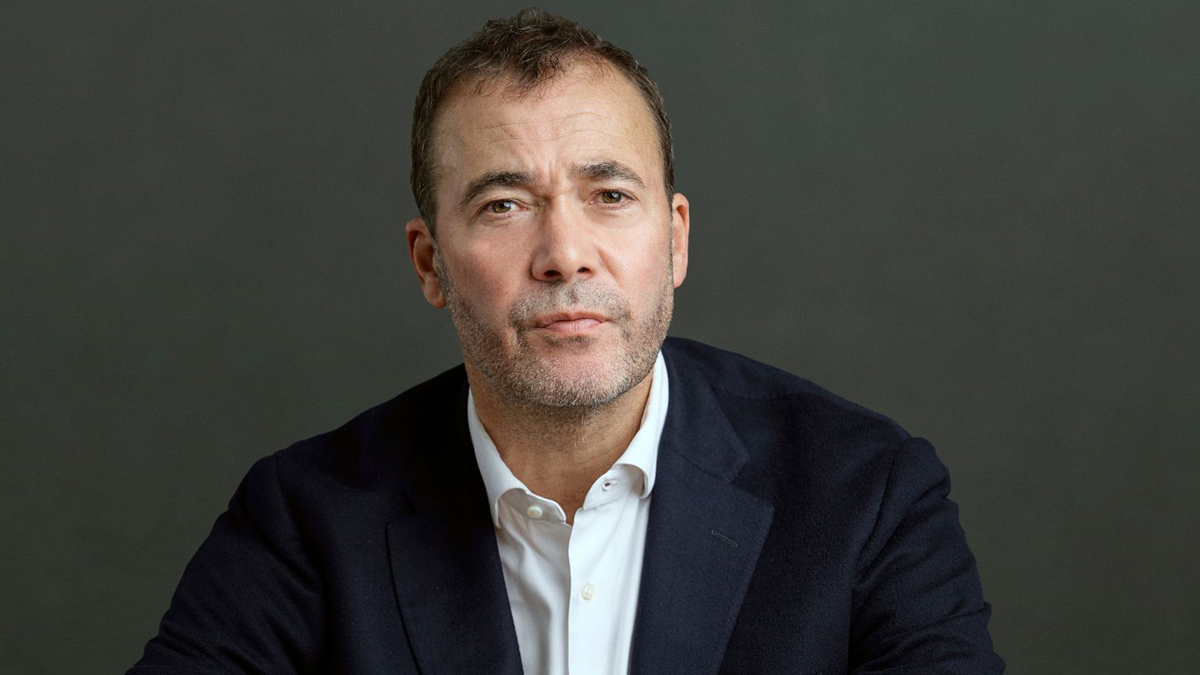
MUMBAI: When the presses are rolling but patience runs out, even the editor’s chair isn’t safe. The Washington Post announced on Saturday that its chief executive and publisher Will Lewis is stepping down with immediate effect, bringing a sudden end to a turbulent two-year tenure marked by financial strain, newsroom unrest and public backlash.
Lewis’s exit comes just days after the Bezos-owned newspaper announced sweeping job cuts that triggered protests outside its Washington headquarters and a wave of anger from readers and staff. While newspapers across the US are grappling with shrinking revenues and digital disruption, Lewis’s leadership had increasingly come under fire for how those pressures were handled.
The Post confirmed that Jeff D’Onofrio, a former Tumblr CEO who joined the organisation last year as chief financial officer, has taken over as CEO and publisher, effective immediately. In an email to staff, later shared by reporters on social media, Lewis said it was “the right time for me to step aside.”
The leadership change follows the announcement of large-scale redundancies earlier this week. While the Post did not officially confirm numbers, The New York Times reported that around 300 of the paper’s roughly 800 journalists were laid off. Entire teams were dismantled, including the Post’s Middle East bureau and its Kyiv-based correspondent covering the war in Ukraine.
Sports, graphics and local reporting were sharply reduced, and the paper’s daily podcast, Post Reports, was suspended. On Thursday, hundreds of journalists and supporters gathered outside the Post’s downtown office in protest, calling the cuts a blow to public-interest journalism.
Former executive editor Marty Baron described the moment as “among the darkest days in the history of one of the world’s greatest news organisations.”
Lewis defended his record in his farewell note, saying “difficult decisions” were taken to secure the paper’s long-term future and protect its ability to publish “high-quality nonpartisan news”. But his tenure coincided with growing scrutiny of editorial independence at the Post.
Owner Jeff Bezos faced criticism for reining in the paper’s traditionally liberal editorial page and blocking an endorsement of Democratic presidential candidate Kamala Harris ahead of the 2024 US election. The move was widely seen as breaking the long-standing firewall between ownership and editorial decision-making.
According to a Wall Street Journal report, around 250,000 digital subscribers cancelled their subscriptions after the paper declined to endorse Harris. The Post reportedly lost about $100 million in 2024 as advertising and subscription revenues slid.
While the wider newspaper industry continues to battle declining print advertising and the pull of social media, some national titles have stabilised. Rivals such as The Wall Street Journal and The New York Times have managed to build sustainable digital businesses, a turnaround that has so far eluded the Post despite its billionaire backing.
As Jeff D’Onofrio steps into the role, the challenge is stark, restore confidence inside the newsroom, win back readers who walked away, and prove that one of America’s most storied newspapers can still find its footing in a brutally competitive media landscape.


MIB sets OTT accessibility rules, mandates captions and audio description

Boney Kapoor acquires remake rights of Tamil political satire Thalaivar Thambi Thalaimaiyil

Netflix India names Rekha Rane director of films and series marketing

Zabeen signs off from TV9 after shaping the network’s public voice

Dhawan steps up to bat for Delhi’s grassroots sports push

Orient Beverages pops the fizz with steady Q3 gains and rising profits

Cheekatilo shines in the dark with record debut on Prime Video

These ’90s fashion trends are making a comeback in 2017
The final 6 ‘Game of Thrones’ episodes might feel like a full season
According to Dior Couture, this taboo fashion accessory is back
The old and New Edition cast comes together to perform
Phillies’ Aaron Altherr makes mind-boggling barehanded play
Uber and Lyft are finally available in all of New York State
Disney’s live-action Aladdin finally finds its stars
MIB sets OTT accessibility rules, mandates captions and audio description
Boney Kapoor acquires remake rights of Tamil political satire Thalaivar Thambi Thalaimaiyil
Netflix India names Rekha Rane director of films and series marketing
Zabeen signs off from TV9 after shaping the network’s public voice
Dhawan steps up to bat for Delhi’s grassroots sports push
Orient Beverages pops the fizz with steady Q3 gains and rising profits
Cheekatilo shines in the dark with record debut on Prime Video
-

 News Broadcasting5 days ago
Mukesh Ambani, Larry Fink come together for CNBC-TV18 exclusive
-
 I&B Ministry3 months ago
India steps up fight against digital piracy
-

 iWorld1 week ago
Netflix celebrates a decade in India with Shah Rukh Khan-narrated tribute film
-
 iWorld3 months ago
Tips Music turns up the heat with Tamil party anthem Mayangiren
-
 MAM3 months ago
HoABL soars high with dazzling Nagpur sebut
-
 iWorld12 months ago
BSNL rings in a revival with Rs 4,969 crore revenue
-
 MAM5 days ago
Nielsen launches co-viewing pilot to sharpen TV measurement
-

 Film Production1 week ago
UFO Moviez rides high on strong Q3 earnings
