
Specials
2022 was a mixed bag for OTT


Mumbai: Over the last few years, India’s over the top (OTT) media services sector has more than doubled in size. According to the Ormax OTT Audience Sizing Report 2022, the Indian OTT audience universe now stands at 424 million people. In India, 119 million of these are active paid OTT subscriptions and increased by 20 per cent between 2021 and 2022. As per the Ormax Media Report, three out of 10 Indians watched online videos at least once in the last month.
The Deloitte Report, states that the OTT market will grow at a CAGR of 20 per cent over the next decade, generating a staggering $13 billion-$15 billion in 10 years. According to a 2022 report, Indian subscriber numbers will grow at a 17 per cent CAGR to 224 million by 2026, up from 102 million.
The Dentsu report, further adds, the ad-funded video platforms (AVoD) are set to overtake subscription channels (SVoD) with time, as major streaming platforms are adding ad-funded tiers.
Also read: Revisiting OTT’s top-level movements in 2022
According to Elara Capital senior vice president Karan Taurani, the new-age content platforms have undergone a 30-40 per cent erosion in ad revenues. The FMCG and auto sectors which are the largest advertisers are seeing a lot of inflationary pressures, which is impacting their growth. Therefore, most advertisers are cutting their marketing costs.

He says that the festival period typically sees 13-14 per cent growth in advertising revenue for most content platforms as well as TV channels, but this time around the festive ad revenue bump up has just been six to eight per cent.
The OTT platforms are seeing a dip in advertising revenues not only in India but also globally, there has also been a dip in subscription revenues. This has made the platforms rethink their content acquisition as well as create fresh content. The acquisition cost across all platforms stands at 80 per cent of the overall cost.
Most platforms decided to go slow on most projects and decided to greenlight tried and tested content genres. The days of experimenting with new content and content writers took a back seat, platforms were happy to go to marquee producers who had a legacy of producing good content.
MX Player business head – SVOD & business partnerships Abhishek Joshi opines, “OTT platforms as a whole have continued their steep growth curve this past year as well. From an estimated 85 million subscriptions in 2021 we have reached 100 million subscriptions by the end of 2022. Some latest reports even go as far as to say that the number is close to 120 million subscriptions with a paying user on average accounting for 2.5 subscriptions.”
He added, “The overall OTT market is estimated to be worth three billion dollars in India which is driven by around 400 million unique users, a majority of which are still AVOD consumers. Almost all the major players in the space have realised the potential of AVOD and the emergence of hybrid models is a testament to that. From pioneering digital native brands that were early adopters to established brands in the current scenario, we have seen AdEx grow substantially on OTT over the past few years.”
Joshi goes on, “We as an industry know the importance of looking beyond the metros as one-third of our subscriptions are from the top six metros but the metros only account for around 10 per cent of our overall universe. To tap into the remaining universe, hybrid models will be the torchbearers. All of the aforementioned goes hand in hand with quality content and the ever-improving tech stacks.”
He states, “Content investments have been steadily growing at a 15-20 per cent CAGR over the past couple of years and we see the same trend continuing with an increasing flavour of regional content moving ahead. As you go deeper into the country, you realise the importance of regional content to grow the overall OTT pie and that is why it is expected that regional content consumption will account for more than half the overall watch time on OTT platforms by 2025 from an estimated 30 per cent back in 2019. In closing notes, it’s still an early dawn in the OTT space and it will just get brighter from this point forth.”
Today more and more advertisers are looking at some form of integration in OTT content, and that spend has been growing steadily, as most urban households have become cord-cutters and OTT is the only form of entertainment. Advertising in OTT also targets the brand’s TG exclusively and the ROI for an advertiser increases. There are an estimated 0.5 million cord-cutters in India at present however reports estimate 13 million households cutting the cord by 2026. This trend has been fully utilized by TV manufacturers as there is a demand for smart TVs, major players in this market are Samsung, Haier, TCL, etc.
This year also saw a slowdown in the global economy due to the war; many new-age companies who spent heavily on digital platforms held back their spending and we may also see slower growth in the first quarter of FY ’23. Under the current economic headwinds, the ad market is estimated to grow by six to eight per cent in FY’23. In FY’22 the ad spending on digital was 53 per cent of the overall spending.
Along with the established players like Netflix, Amazon Prime, Disney+Hotsatar, Sony Liv, and ZEE5, there are a plethora of regional players catering to specific regions and languages. The public broadcaster in India, DD India, signed an MoU with Yupp TV, an OTT platform that serves as a gateway for consumers of television, to increase the DD India channel’s global reach. The Ministry of Information and Broadcasting claims that this is an effort to promote Indian culture and values around the world as well as present India’s viewpoint on major international happenings.
There is a debate on what works in the OTT sector, AVoD or SVoD? India is a price-sensitive nation and everyone wants a bang for the buck, realising that the big players in the OTT segment are now offering reasonable pricing to woo subscribers. The regional market is gaining popularity among viewers, and the local players are now facing competition with the big players. Most players in the segment are offering packages as cheap as Rs 199 and even global players like Netflix are actively looking to go AVOD.
Despite the dominance of the big players in the OTT platform space, aggregated OTT services like TATA Play Binge, OTTplay, Watcho, and ScreenHits have experienced exponential growth in 2022. Most of these aggregators are now bundling the various platforms and giving their subscribers better offers. This month NxtDigital launched NxtPlay with 3, 00,000 hours of OTT content.
Regulations
TRAI for the first time has incorporated OTT into the telecommunication services in the Telecommunication Bill 2022, which was created by the Telecom Regulatory Authority of India (TRAI). The Internet and Mobile Association of India (IAMAI) asserts that India has promoted the development of both traditional and over-the-top (OTT) service providers, as seen by the rapid expansion of the digital economy.
A suitable legal framework for the operational features of OTT communication services was the main goal of the proposed act. It is implied that OTT players will also have to pay a license fee by including them in the scope of telecom licensing.
Telecom companies were among the first to provide an aggregated OTT service. They have bundled various offerings with their mobile tariff plans to attract smartphone users. The market is now flooded with app-based aggregators, DTH operators, and even OTT platforms.
Movies and Series that have worked in 2022
Hindi movies like Code Name: Tiranga, Qala, Chup Raksha Bandhan, Govinda Naam Mera, Maja Maa, Darlings, Laal Singh Chaddha, and Good Luck Jerry worked. Films like Gargi, KGF-2, Vikram, RRR, Karthikeya 2, Jana Gana Mana, and Kantara were well received not only by regional audiences but also by Hindi-speaking audiences. And, as is customary, both Bollywood and South films made their debut on various OTT platforms.
Series like Human, Apharan Season 2, Abhay Season 3, Mai, Dharavi Bank, Panchayat season 2, Suzhal: The Vortex, Criminal Justice Season 3, Four More Shots Please season 3, Khakhi, Rocket Boys, Tamil Rockers, Mukhbir did well in 2022. The fourth season of Stranger Things became quite popular in 2022. Manifest, Delhi Crime Season 2, Mismatched season 2, and Never Have I Ever Season 3 were also factors in Netflix becoming the most-watched platform in 2022.
Sports
As per a report published by the CII, KPMG, and the Indian Broadcasting and Digital Foundation (IBDF), digital sports broadcasting revenues will increase from the current Rs 1,540 crore to Rs 4,360 crore in FY26. Broadcaster-owned and independent streaming services like Disney+Hotstar, JioCinema, SonyLiv, and Amazon Prime Video signed up big-ticket as well as other sports properties to grow their subscriber bases.
Disney Star retained ICC TV rights for India till 2027. It recorded a 31 per cent jump in viewership during T20 World Cup 2022. The digital rights for IPL were bagged by Viacom18 sports for a whopping amount of Rs 23,758 Cr and the TV rights were retained by Disney Star. Amazon Prime Video also had ad-supported cricket live streaming of the India v/s New Zealand Men’s Series 2022.
JioCinema is the new entrant and 32 million tuned in to JioCinema on the final day of the FIFA World Cup Qatar 2022 and throughout the tournament over 110 million viewers consumed the content on digital. The big ticket for them this year would be IPL 2023.
Awards
Indiantelevision.com organised the Indian Telly Streaming awards 2022 to celebrate the content and talent on the OTT platforms; OTTplay Awards 2022 also concluded last year. Filmfare also organised a special OTT Awards 2022 last month.
With users spending seven hours daily on their smartphones, digital platforms have a good engagement rate and per their convenience. The days of appointment viewing are still there in certain pockets but due to the advent of digital platforms, there is a shift. The rate of transition to digital platforms shows no signs of slowing.
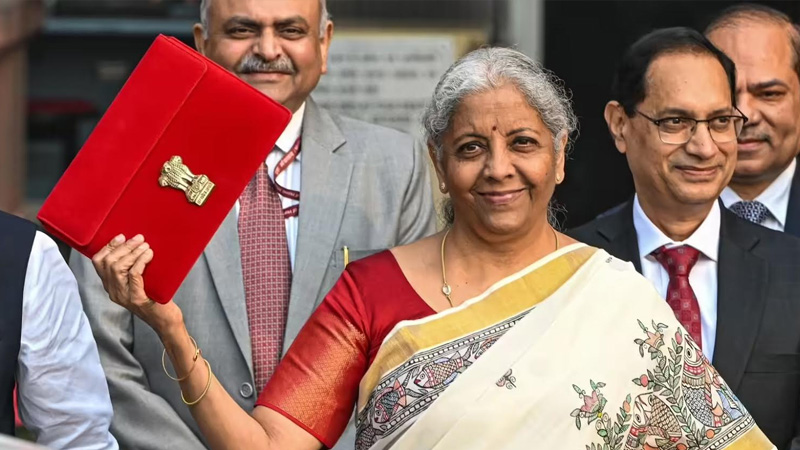
INDIA: As India gears up for the Union Budget 2026–27, scheduled to be presented on February 1, expectations are running high across industries amid strong macroeconomic momentum. The economy is projected to grow between 7 and 7.5 per cent, supported by resilient consumer demand, sustained infrastructure spending, and policy-led reforms.
Corporate activity remains buoyant, with mergers and acquisitions touching 61.3 billion dollars in the first half of FY25, while foreign investment inflows continue to strengthen. However, persistent challenges such as rising input costs, regulatory complexity, and over 5.4 lakh pending tax appeals underline the need for clarity, simplification, and faster dispute resolution. Against this backdrop, industry leaders are looking to Budget 2026 to deliver targeted reforms that boost manufacturing, formalisation, digital innovation, and inclusive growth.
Manufacturing and Infrastructure in Focus
For the furniture and manufacturing sector, cost pressures and competitiveness remain key concerns. Hettich India, Saarc, Middle East & Africa managing director Andre Eckholt said the upcoming budget presents a crucial opportunity to strengthen India’s furniture and manufacturing ecosystem.
“As India moves towards becoming a global manufacturing hub, the upcoming Union Budget 2026 presents a vital opportunity to further strengthen the furniture and manufacturing sectors. However, key challenges such as rising raw material costs and logistics expenses continue to impact competitiveness.We believe addressing these concerns through rationalised duties, stable input costs, and incentives for value-added manufacturing will be critical,” Eckholt noted. He also called for continued emphasis on infrastructure development, skill building, and ease of doing business to accelerate local production under the Make in India initiative.
Echoing the push for manufacturing-led growth, Stone Sapphire India MD & CEO Shobhit Singh, highlighted the need for policies that combine scale with innovation.
“The next phase of growth must focus on enabling innovation and full technology adoption, especially for MSMEs, on par with advanced global economies. For consumer categories such as toys, stationery, homeware and sports goods, targeted incentives for domestic manufacturing must be complemented by support for automation, digital infrastructure, R&D, and IP-led product development to create globally competitive Indian brands. A forward-looking budget that integrates manufacturing, technology, skills and exports will not only reduce import dependence but also position India as a trusted global sourcing and brand creation hub,” Singh said.
Financial Inclusion and Credit Flow
From the financial services sector, Muthoot FinCorp outlined a series of recommendations aimed at improving credit access in rural and semi-urban India. CEO Shaji Varghese urged the government to liberalise branch-opening norms for gold loan NBFCs and rationalise capital risk weights to reduce the cost of lending.
“Harmonising Sarfaesi Act applicability for NBFCs in line with banks and Housing Finance Companies (HFCs) to help drive rural housing credit and strengthen recovery mechanisms for smaller-ticket mortgage loans,” Varghese said, adding that targeted schemes should help bring temporarily defaulted borrowers back into the formal lending ecosystem while encouraging formalisation of gold lending.
Commodities, FMCG and retail seek policy balance
In the bullion sector, RiddiSiddhi Bullions Ltd managing director and India Bullion and Jewellers Association president and chairman Prithviraj Kothari, flagged the need for fair duty structures.
“The Indian bullion industry has highlighted three key policy demands to ensure fairness, competitiveness, and long-term sustainability. First, under the Tariff Rate Quota (TRQ) framework and FTAs such as the CEPA with the UAE, the 1 per cent customs duty benefit should be passed on equitably,” Kothari noted. “While Dubai imports around 180 tonnes of gold annually with a 1 per cent duty advantage, gold dore bars imported into India receive only a 0.65 per cent benefit, risking a sharp decline in dore imports. To correct this imbalance, we have proposed raising the duty on dore bar imports to 1.65 per cent.”
Within FMCG, DS Group emphasised a consumption-driven framework in Budget 2026, urging higher capital expenditure, corporate tax rationalisation, and targeted manufacturing incentives.
The group called for export-focused support alongside rural production initiatives such as capital subsidies, concessional land rates, GST relief on capital investments, and income tax benefits for new rural manufacturing units to drive decentralised and sustainable growth.
Joy Personal Care’s co-founder and chairman Sunil Agarwal also expressed optimism around policies that can sustain consumption recovery.
“A more balanced and consistent GST structure for personal care products, will play an important role in improving profitability while allowing companies to continue offering high-quality products at affordable prices. At the same time, e-commerce and modern trade have a strong opportunity to grow further, supported by increasing digital adoption and more efficient, integrated supply chains,” Agarwal said.
Meanwhile, HyFun Foods’ MD and Group CEO Haresh Karamchandani highlighted the need to strengthen India’s food processing ecosystem through outcome-linked policy support.
“PLI schemes, export incentives, cold chain investments, and backward integration can strengthen supply chains and unlock the full potential of value-added food sectors like frozen foods,” he said, positioning India as a dependable global supplier.
Gaming and Esports call for execution-focused support
India’s fast-growing gaming and esports ecosystem is looking for regulatory clarity, fiscal backing, and differentiated taxation. Nodwin Gaming co-founder and MD Akshat Rathee, said the sector has moved into the mainstream and now needs practical enablers.
“Fair taxation for esports on par with traditional sports, easier access to banking services, and targeted funding under the AVGC framework can help scale Indian game development and original IP creation,” Rathee said.
S8UL Esports co-founder and CEO Animesh Agarwal added that with the Promotion and Regulation of Online Gaming Act in place, the focus must now shift to capacity building.
“Investments in training infrastructure, grassroots competitions, incubation programmes, and creator-focused upskilling can strengthen India’s global position in esports and gaming,” he said.
LVL Zero Incubator’s head of incubation Sagar Nair, stressed the importance of moving from consumption to creation.
“Clear regulatory frameworks, budgetary commitment to the AVGC-XR mission, and incentives for local game development can unlock long-term capital and accelerate India’s emergence as a global development hub,” he noted.
CyberPowerPC India COO Vishal Parekh also pointed to the momentum created by recent regulatory moves, calling for esports prize money taxation in line with traditional sports and stronger grassroots participation through schools and state-level initiatives.
Digital Media and Creator Economy Seek Tech-Driven Reforms
From the digital media sector, Oneindia CEO Ravanan N, said the industry is looking for decisive support rather than broad policy statements.
“Content today runs on AI, automation, and data-driven distribution, yet incentives for tech-led publishing remain limited. A focused push on AI infrastructure, newsroom tools, and regional digital talent skilling will strengthen India’s information ecosystem,” he said.
In the creator economy, Hoopr CEO and co-founder Gaurav Dagaonkar highlighted the urgent need for modernised music licensing and copyright frameworks.
“Transparent, technology-led licensing systems, along with clear norms around AI-generated music and digital ownership, are essential to ensure fair creator compensation while enabling compliance for platforms and brands,” Dagaonkar said, also calling for targeted support for startups and MSMEs.
Healthcare Pushes for Preventive Focus
On the healthcare front, Global Cancer Care founder and chief vision officer Nivedita Basu, underlined the importance of increasing public health spending and shifting focus toward prevention and early detection.
“Public health expenditure remains below the National Health Policy target, while late-stage cancer detection continues to impose heavy human and economic costs. Budget 2026 should prioritise screening programmes, subsidised diagnostics, and expanded access to oncology services beyond Tier I cities,” Basu said. She also called for rationalised tax and regulatory structures for diagnostics and medical devices to improve affordability and innovation.
A Budget balancing growth and reform
As the government prepares its fiscal roadmap for 2026–27, expectations are high for a Budget that balances growth stimulus with structural reforms. While consumption-led sectors are pushing for tax relief and demand-boosting measures, capital-intensive industries are looking for sustained infrastructure spending and policy stability.
Across the board, the message from industry is clear: simplify tax laws, resolve disputes faster, support domestic manufacturing and continue investing in infrastructure. If these priorities are addressed, corporate leaders believe India will be well positioned to maintain its growth trajectory and strengthen its standing in the global economy.

Mumbai: As India heads into the Union Budget on February 1, consumers are no longer starry-eyed. They are alert, restrained and quietly anxious. Kantar’s fifth annual India Union Budget Survey shows optimism lifted by tax relief last year, but tempered by inflation, job insecurity and global uncertainty as Budget 2026 approaches.
Satisfaction with the 2025 Budget remains relatively strong, with 70 per cent of Indians saying it met expectations, largely due to tax reforms. That marked a rebound after sentiment slid from 73 per cent in 2023 to 67 per cent in 2025. Yet the mood has shifted from hope to hard-nosed realism. Households are now prioritising income stability and future preparedness over discretionary growth.
Inflation continues to bite. Concern has risen to 60 per cent in 2026, up from 57 per cent in 2024, while 36 per cent of respondents cited layoffs as a key worry, underscoring unease around job security. Demand for further personal tax relief remains steady, especially among the middle class. Key expectations include raising the standard deduction from Rs 75,000 to Rs 1 lakh, alongside enhanced Section 80 deductions and medical and health insurance rebates.
Economic caution is also reshaping consumption. Faith in India achieving its $5 trillion economy milestone has slipped from 2027–28 to 2028–29, reflecting a more grounded outlook. 51 per cent of Indians see global geopolitical conflicts as a threat to growth and stability, while views on US tariffs are split, with 58 per cent either confused or pessimistic. Business owners and the self-employed are more wary, even as salaried consumers show greater optimism around export diversification.
This uncertainty is translating into tighter spending. Intent to spend on discretionary categories such as dining out, shopping, entertainment and subscriptions has fallen to 55 per cent in 2026, down from 58 per cent in 2024. Appetite for big-ticket purchases including leisure travel, vehicles, property and luxury goods has dropped to 46 per cent, from 51 per cent two years ago.
Confidence in India’s broader growth narrative is also cooling. Expectations of improved performance from the startup ecosystem have eased to 67 per cent, down from 73 per cent in 2024. Market sentiment mirrors this restraint, with 63 per cent of consumers expecting the BSE Sensex to trade between 86,000 and 95,000 in 2026.
Artificial intelligence, meanwhile, has gone mainstream. 79 per cent of consumers now use AI multiple times a week. A majority, 54 per cent, believe it will drive upskilling, new skills and workplace efficiency, with ecommerce, education and cyber security seen as the biggest beneficiaries. Yet unease lingers. 18 per cent fear job losses or role reductions due to AI, while 54 per cent flag AI misuse and AI-led financial fraud as rising risks. More than half, 53 per cent, are calling for faster regulatory approvals and tax incentives for early-stage AI startups.
India’s march towards a cashless economy is accelerating too. Digital payment adoption has climbed from **53 per cent in 2024 to 67 per cent** now, led primarily by salaried consumers.
Policy awareness, however, remains uneven. Awareness of the new labour code reforms stands at 51 per cent, with eight in ten informed respondents expecting a positive impact. By contrast, awareness of the Digital Personal Data Protection Rules 2025 remains limited, pointing to gaps in government communication.
Sustainability intent is visible but constrained. 58 per cent of consumers plan to adopt electric vehicles, though limited charging infrastructure and battery safety concerns continue to slow wider adoption.
Commenting on the findings, Deepender Rana, executive managing director, south Asia, Kantar, said consumer sentiment has clearly matured. “Over the past few years, sentiment has shifted from optimism to a more pragmatic outlook. Concerns around inflation and job security persist, now compounded by global uncertainties and geopolitical tensions. While tax relief has lifted sentiment, households are increasingly focused on income stability and future preparedness,” he said.
Rana added that consumers expect sharper engagement from policymakers. “There is a clear expectation for the government to engage more closely with the middle class and taxpayers through targeted reforms, stronger economic safeguards and transparent communication. Policies that support upskilling, responsible AI adoption and digital trust will be critical to sustain confidence in India’s growth story.”
For Budget 2026, the message is blunt: Indians are no longer asking for grand promises. They want reassurance, resilience and rules that help them steady the ship as the world turns choppy.
Event Coverage
Anime India announces Amazon MX Player as co-presenting partner for Anime India Kolkata 2026
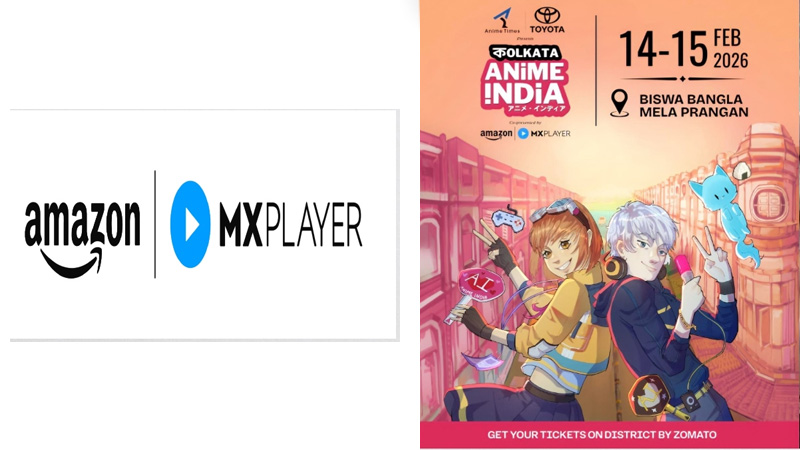
MUMBAI: Riding high on the success of its blockbuster Mumbai debut, Anime India is accelerating its nationwide expansion with the announcement of Amazon MX Player as the co-presenting partner for Anime India Kolkata. The partnership marks a significant step forward in the festival’s mission to deliver large-scale, accessible, and fan-first anime experiences across the country.
Scheduled for 14 and 15 February 2026 at the iconic Biswa Bangla Mela Prangan, Anime India Kolkata will launch the first regional chapter of what is set to be a year-long, multi-city tour. As the curtain-raiser for the 2026 circuit, the Kolkata edition aims to fuse the energy of global Japanese pop culture with India’s fast-growing community of anime, manga, and pop-culture fans.
A household name in digital entertainment, Amazon MX Player brings unmatched reach and cultural relevance to the Anime India platform. With its expanding focus on anime and youth-driven content, Amazon MX Player’s involvement as co-presenting partner reinforces Anime India’s vision of making anime culture more inclusive breaking barriers of language, geography, and accessibility to connect with fans nationwide.
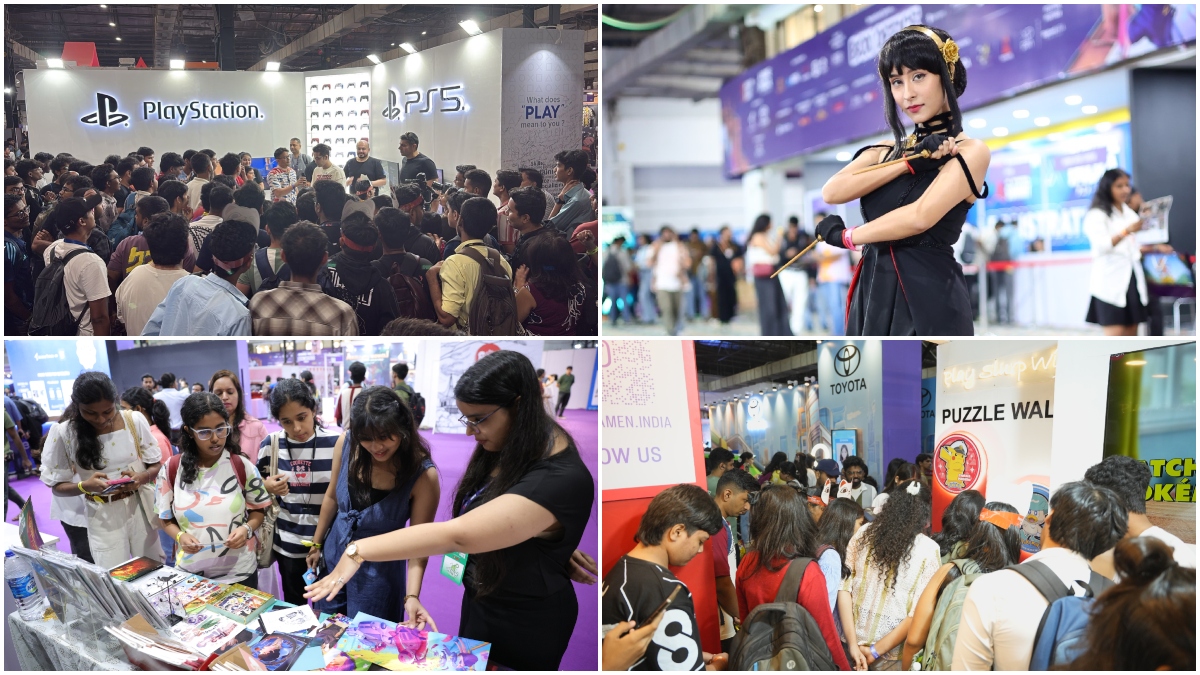
Anime India Kolkata 2026 will showcase cosplay competitions, interactive zones led by the Indian Gunpla Community, India-39 Vocaloid Community, The Japan Curry, and Adda-o-Otaku by The Otaku Guild. Fans can join tournaments across fighting games, Pokémon VGC, and more. Acclaimed Japanese director Susumu Mitsunaka (Haikyu!!) will attend as guest of honour, appearing in panels and live sessions. Positioned as an immersive celebration of fan culture and industry collaboration, the Kolkata edition marks the beginning of Anime India’s nationwide expansion.
Sharing their perspective on the partnership, Amazon MX Player director Aruna Daryanani expressed, “Anime in India has evolved from a niche interest into a mainstream cultural movement, driven by an increasingly engaged and passionate fanbase. At Amazon MX Player, our focus is on expanding access by bringing anime to audiences across the country for free and in multiple local languages. Our association with Anime India reflects our commitment to supporting the growth of anime in India and deepening connections with fans, while continuing to build Amazon MX Player as a trusted destination for free, high-quality entertainment.”
“Anime India Kolkata is a celebration of how anime has grown beyond entertainment into a powerful cultural and creative force. By bringing fans, creators, and industry leaders onto one shared platform, the festival is helping define the future of pop culture in India,” said Anime India co-founder and director Neha Mehta.
The debut edition of Anime India 2025 in Mumbai attracted over 29,000 fans, quickly cementing its status as a landmark celebration of anime and Japanese pop culture. Riding on this overwhelming response, the Kolkata chapter is projected to draw more than 40,000 visitors across two days, positioning it as one of the biggest anime conventions ever held in eastern India.
Anime India is focused on bringing together fans from across the country to create a truly pan-India celebration of anime, manga, cosplay, gaming, and Japanese culture. With plans to expand into four key metropolitan hubs in 2026—east (Kolkata), north (Delhi), west (Mumbai), and south (Hyderabad)—the festival seeks to deliver globally benchmarked experiences while supporting and uplifting creators, artists, and fan communities throughout India.


Mukesh Ambani, Larry Fink come together for CNBC-TV18 exclusive

Nielsen launches co-viewing pilot to sharpen TV measurement

Netflix celebrates a decade in India with Shah Rukh Khan-narrated tribute film

Delhivery chairman Deepak Kapoor, independent director Saugata Gupta quit board

Meta appoints Anuvrat Rao as APAC head of commerce partnerships

Brnd.me enters Europe as haircare brands power global expansion

TechnoSport taps quick commerce with launch on Slikk’s 60-minute platform

These ’90s fashion trends are making a comeback in 2017
The final 6 ‘Game of Thrones’ episodes might feel like a full season
According to Dior Couture, this taboo fashion accessory is back
The old and New Edition cast comes together to perform
Phillies’ Aaron Altherr makes mind-boggling barehanded play
Uber and Lyft are finally available in all of New York State
Disney’s live-action Aladdin finally finds its stars
Mukesh Ambani, Larry Fink come together for CNBC-TV18 exclusive
Nielsen launches co-viewing pilot to sharpen TV measurement
Netflix celebrates a decade in India with Shah Rukh Khan-narrated tribute film
Delhivery chairman Deepak Kapoor, independent director Saugata Gupta quit board
Meta appoints Anuvrat Rao as APAC head of commerce partnerships
Brnd.me enters Europe as haircare brands power global expansion
TechnoSport taps quick commerce with launch on Slikk’s 60-minute platform
-
 News Broadcasting3 days ago
Mukesh Ambani, Larry Fink come together for CNBC-TV18 exclusive
-
 iWorld1 week ago
Netflix celebrates a decade in India with Shah Rukh Khan-narrated tribute film
-
 MAM3 months ago
HoABL soars high with dazzling Nagpur sebut
-
 MAM3 days ago
Nielsen launches co-viewing pilot to sharpen TV measurement
-
 iWorld12 months ago
BSNL rings in a revival with Rs 4,969 crore revenue
-
 I&B Ministry3 months ago
India steps up fight against digital piracy
-
 iWorld3 months ago
Tips Music turns up the heat with Tamil party anthem Mayangiren
-

 Film Production1 week ago
UFO Moviez rides high on strong Q3 earnings
