Mumbai: There is no doubt that the rise of the startup and entrepreneur culture in India has happened in a tremendous way. Ideas are being churned out at a never before seen speed. And more often than not, these ideas receive seed funding. The bigger, more public-facing companies are enjoying massive evaluations. They are getting bigger and bigger funding rounds and ballooning up like never before. This resulted in many startups hiring more people than they actually needed and giving them job roles that are usually non-essential.
The predictions of an impending economic slowdown and oncoming recession have changed the way many such brands functions. These brands enjoyed massive growth and unfathomable expansion for a brief period. But now they are all restructuring themselves to increase their cash runway. In cases of extreme restructuring, jobs are always the first on the chopping block across all sectors and industries. In 2022, over 1000 companies have laid off a total of 154,336 employees. This trend has continued into 2023, where we are seeing 1600+ layoffs per day on average.
When traditional job roles fail to fulfill the needs of the workforce, they turn to other incomes avenues. In this changing economy, Gig work and Influencing have become alternate and lucrative sources of income for the youth. It is estimated that over 200 million people are considered to be a part of the gig economy globally.
In March 2021, Boston Consultancy Group published a study titled “Unlocking the Potential of the Gig Economy in India”. It mentioned that the Indian gig economy “has the potential to serve up to 90 million jobs in the non-farm sectors of India (around 30%) with the potential to add up to 1.25% to India’s GDP through efficiency and productivity gains alone.”
While finding themselves out of a job with the bigger companies, gig workers can instead take their skills and work for several small companies. This leads to mutual benefits where the company also benefits from their skills and experience. And since these small companies don’t have a need for dedicated workers at all times, the newly created gig workers can work with many such companies and effectively get a bump in income.
While the Gig Economy is definitely flourishing, it also needs some changes to ensure that it can support itself. The majority of gig platforms are not ready to offer their employees even the most basic perks, such as paid time off and health insurance; investing in their education and professional growth is a distant reality.
In such a scenario, gig work platforms will remain relegated to low-end, low-skill jobs, and the workers will continue to suffer from poor incomes.
Gig platforms must adopt fresh perspectives if this is to change. According to estimates, emerging nations (between 5 and 12%) and industrialised economies (between 1-4%) have greater rates of gig economy involvement.
As of now, the majority of gig business models in India are imitations of those in the West, where many skilled professionals engage with clients via digital platforms. Without much changes, popular western models like Instacart, DoorDash, Airbnb, and UberEats have been replicated in India. India, however, lacks the qualified personnel necessary to implement this strategy effectively.
On the other hand, Influencers are creating a separate revenue stream on top of their social media fame by utilising the technologies that countless D2C firms are using. Influencers are now taking the same path that famous people did in the past when they moved to private labels and merchandising outlets.
In addition to the D2C model gaining popularity, India’s live commerce sector is developing and quickly evolving into a struggle for social media startups, eCommerce behemoths, and new companies. In terms of channels to reach new audiences and try out new formats, creators and influencers connected to D2C firms are today spoiled for choice.
All of this combined with the very short attention spans of target audiences and ever changing financial landscapes makes it easier for startup brands and companies to depend on gig economies and influencer economies to build up their presence. I am forever hopeful that gig workers from all sectors and across the entire spectrum of professional experience will have access to good work and benefits. And that influencer marketing becomes a stable and steady source of revenue for everyone involved.
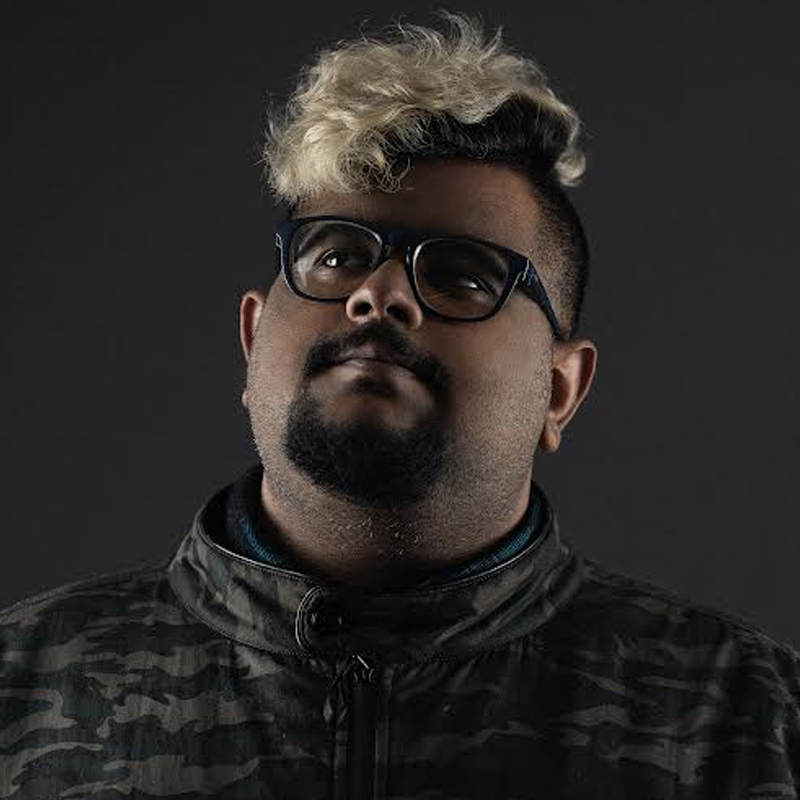
The author of this article is Studiobacksdrop.com founder & CEO Archisman Misra.
Leave a Reply