
MAM
Pause for thought as IAB Tech Lab tunes up the rules of CTV ads


MUMBAI: If connected TV has been improvising, IAB Tech Lab is finally handing it the sheet music. The global digital advertising standards body has unveiled a new CTV Ad Portfolio alongside a major update to its Guide to Programmatic CTV, bringing long-awaited order to one of the fastest-growing and messiest corners of digital advertising.
At the heart of the update is a clear definition of six core CTV ad formats, Pause, Menu, Screensaver, In-Scene, Squeeze backs and Overlays. These formats were distilled from more than 100 real-world submissions gathered through the Ad Format Hero initiative, an industry-wide call aimed at capturing how CTV advertising is actually being executed today, not just how it looks on slides.
Alongside the portfolio, IAB Tech Lab has refreshed its programmatic guidance to show how these formats can be bought and sold more consistently. The update includes expanded OpenRTB support for Pause and Menu ads, the two formats prioritised by the industry working group making them easier to transact at scale. Both documents are now open for public comment until January 31, 2026.
IAB Tech Lab CEO Anthony Katsur said the move responds directly to market pressure. With the CTV ecosystem growing at speed, publishers, buyers and platforms have been calling for a shared vocabulary and cleaner pipes. The new portfolio, he noted, is designed to give the industry a common language and reduce friction in how emerging formats are traded.
The timing is hardly accidental. Streaming and CTV now account for the majority of TV viewing in the US, and advertisers are looking beyond traditional ad pods for incremental, high-impact inventory. Formats like Pause and Menu ads promise exactly that placements that appear when viewers are already engaged, without interrupting the content itself.
By standardising definitions and required attributes, IAB Tech Lab is also trying to fix the plumbing. Inconsistent implementations have led to creatives not rendering correctly, repeated rework for creative teams and unnecessary operational strain across platforms. The new framework aims to cut duplication, reduce errors and make advanced CTV formats easier to scale across devices and publishers.
The update mirrors what the original Digital Ad Portfolio did for display advertising in OpenRTB, less guesswork, more alignment. Industry response suggests that clarity is welcome. Executives from Gumgum, Disney and NBCUniversal have all pointed to interoperability and consistency as critical to unlocking the next phase of CTV growth especially as advertisers demand premium environments that are easier to access and measure.
Taken together, the CTV Ad Portfolio and the updated Programmatic CTV guide signal a shift from experimentation to execution. For an industry that has spent years pausing, buffering and squeezing ads into place, IAB Tech Lab’s latest move is an attempt to make connected TV finally play smoothly.










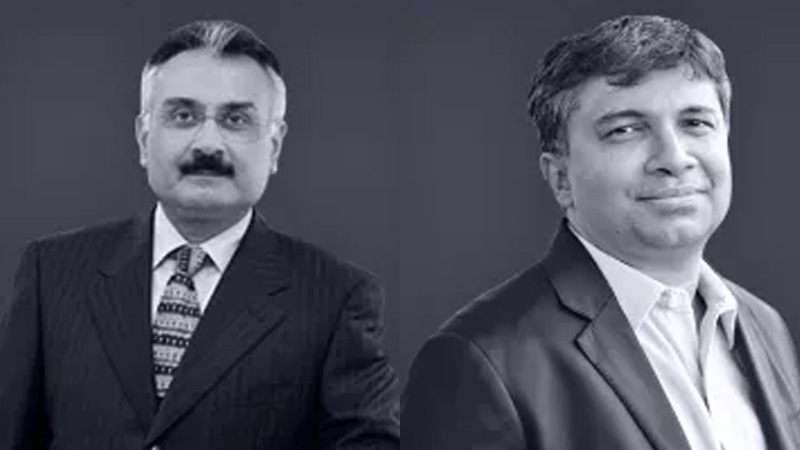
Gurugram: Delhivery’s boardroom is being reset. Deepak Kapoor, chairman and independent director, has resigned with effect from April 1 as part of a planned board reconstitution, the logistics company said in an exchange filing. Saugata Gupta, managing director and chief executive of FMCG major Marico and an independent director on Delhivery’s board, has also stepped down.
Kapoor exits after an eight-year stint that included steering the company through its 2022 stock-market debut, a period that saw Delhivery transform from a venture-backed upstart into one of India’s most visible logistics platforms. Gupta, who joined the board in 2021, departs alongside him, marking a simultaneous clearing of two senior independent seats.
“Deepak and Saugata have been instrumental in our process of recognising the need for and enabling the reconstitution of the board of directors in line with our ambitious next phase of growth,” said Sahil Barua, managing director and chief executive, Delhivery. The statement frames the exits less as departures and more as deliberate succession, a boardroom shuffle timed to the company’s evolving scale and strategy.
The resignations arrive amid broader governance recalibration. In 2025, Delhivery appointed Emcure Pharmaceuticals whole-time director Namita Thapar, PB Fintech founder and chairman Yashish Dahiya, and IIM Bangalore faculty member Padmini Srinivasan as independent directors, signalling a tilt towards consumer, fintech and academic expertise at the board level.
Kapoor’s tenure spanned Delhivery’s most defining years, rapid network expansion, public listing and the push towards profitability in a bruising logistics market. Gupta’s presence brought FMCG and brand-scale perspective during a period when ecommerce volumes and last-mile delivery economics were being rewritten.
The twin exits, effective from the new financial year, underscore a familiar corporate rhythm: founders consolidate, veterans rotate out, and fresh voices are ushered in to script the next chapter. In India’s hyper-competitive logistics race, even the boardroom does not stand still.
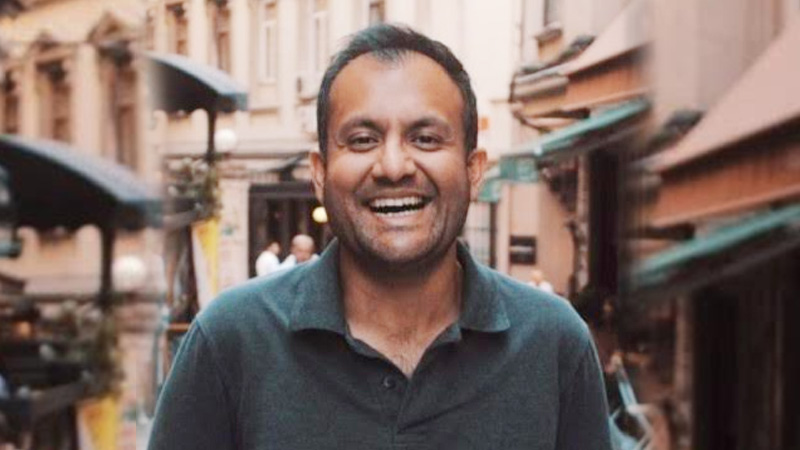
At Locofy.ai, Rao helped convert a three-year free beta into a paid engine, clocking 1,000 subscribers and 15 enterprise clients within ten days of launch in September 2024. The low-code startup, backed by Accel and top tech founders, is famed for turning designs into production-ready code using proprietary large design models.
Before that, Rao founded generative AI venture 1Bstories, which was acquired by creative AI platform Laetro in mid-2024, where he briefly served as managing director for APAC. Alongside operating roles, he has been an active investor and advisor since 2020, backing startups such as BotMD, Muxy, Creator plus, Intellect, Sealed and CricFlex through a creator-economy-led thesis.
Rao spent over eight years at Google, holding senior partnership roles across search, assistant, chrome, web and YouTube in APAC, and earlier cut his teeth in strategy consulting at OC&C in London and investment finance at W. P. Carey in Europe and the US.
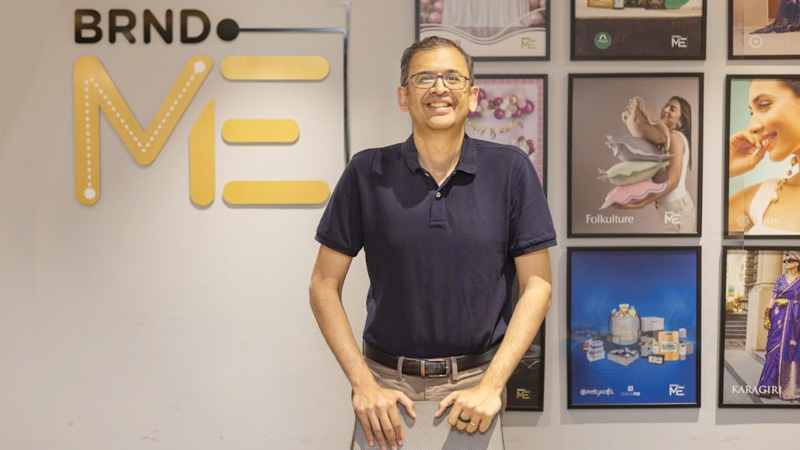
Bengaluru: Brnd.me, the global consumer brands company formerly known as Mensa Brands, has entered the European market following strong momentum across the Middle East, the United States and Canada.
The company has launched across the UK, Germany, France and Spain, with plans to expand into Italy, the Netherlands and Poland over the next year. The push is being led by its haircare and aromatherapy brands, Botanic Hearth and Majestic Pure, marking Brnd.me’s first structured expansion into Europe.
The European beauty market represents a total addressable opportunity of over $4 billion across haircare and aromatherapy, supported by high digital adoption and demand for accessible, performance-led products.
Brnd.me’s hair care and aromatherapy business currently operates at an annual run rate of around $6 million, with Botanic Hearth and Majestic Pure delivering roughly 10 per cent month-on-month growth, driven by expansion and rising repeat demand.
To support regional growth, the company has appointed a general manager based in Germany and is evaluating investments in warehousing and local team expansion.
Early traction has been strong. Within weeks of launch, Botanic Hearth’s rosemary hair oil ranked among the top five hair oils in Germany, signalling strong consumer pull in a competitive market.
Brnd.me founder and chief executive officer Ananth Narayanan, said Europe represents the next phase of the company’s international strategy. He added that the European business is expected to scale to a $10 million annual run rate by the end of 2026, with long-term ambitions to reach $60 million over the next six years.
The company’s Europe strategy centres on digital-first distribution, repeat demand and TikTok-led discovery, alongside direct-to-consumer expansion to strengthen brand equity and margins.
The move also aligns with growing EU–India trade engagement, supporting long-term sourcing and cross-border supply chains.

Netflix celebrates a decade in India with Shah Rukh Khan-narrated tribute film

Delhivery chairman Deepak Kapoor, independent director Saugata Gupta quit board

Meta appoints Anuvrat Rao as APAC head of commerce partnerships

Brnd.me enters Europe as haircare brands power global expansion

TechnoSport taps quick commerce with launch on Slikk’s 60-minute platform

Jitendra Singh joins Reliance Industries as senior vice president, special projects

Tinder brings real-world dating experiences to North East India

These ’90s fashion trends are making a comeback in 2017
The final 6 ‘Game of Thrones’ episodes might feel like a full season
According to Dior Couture, this taboo fashion accessory is back
The old and New Edition cast comes together to perform
Phillies’ Aaron Altherr makes mind-boggling barehanded play
Uber and Lyft are finally available in all of New York State
Disney’s live-action Aladdin finally finds its stars
Netflix celebrates a decade in India with Shah Rukh Khan-narrated tribute film
Delhivery chairman Deepak Kapoor, independent director Saugata Gupta quit board
Meta appoints Anuvrat Rao as APAC head of commerce partnerships
Brnd.me enters Europe as haircare brands power global expansion
TechnoSport taps quick commerce with launch on Slikk’s 60-minute platform
Jitendra Singh joins Reliance Industries as senior vice president, special projects
Tinder brings real-world dating experiences to North East India
-
 iWorld3 months ago
Tips Music turns up the heat with Tamil party anthem Mayangiren
-
 iWorld12 months ago
BSNL rings in a revival with Rs 4,969 crore revenue
-
 I&B Ministry3 months ago
India steps up fight against digital piracy
-
 MAM3 months ago
HoABL soars high with dazzling Nagpur sebut
-
 News Broadcasting2 months ago
CNN-News18 dominates Bihar election coverage with record viewership
-

 MAM2 months ago
Best Lightweight Sunscreens for Daily Use in India
-

 AD Agencies1 month ago
Divya Parkhi steps into client lead role at WPP Media
-

 GECs4 weeks ago
SPNI set to undertake leadership realignment as part of long-term transformation