
MAM
Kitchen Vastu Simplified: How to Create a Balanced Cooking Space Without Structural Changes

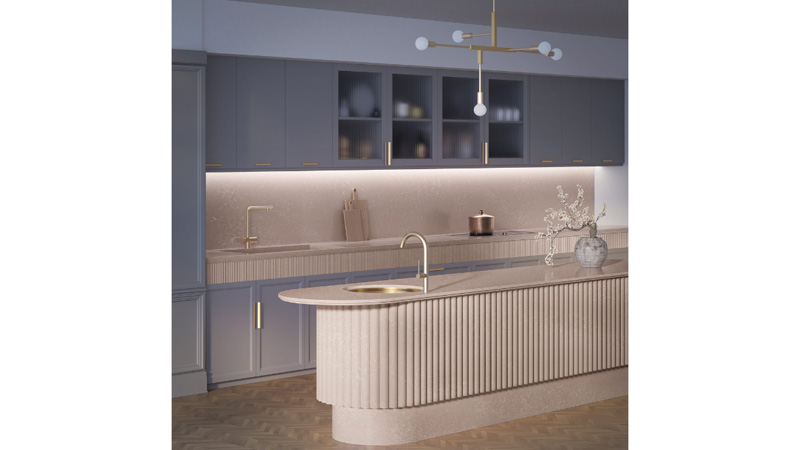
In an ideal world, homes would be designed from the ground up with Vastu principles in mind. In reality, especially in urban India, most homeowners live in apartments where making structural changes like relocating the kitchen or shifting plumbing lines is simply not feasible. Yet, Vastu Shastra does not demand drastic interventions to be effective. Many of its principles can be adapted and even retro-fitted through layout planning, colour choices, material selection, and daily habits. When applied with intention, these small adjustments can help create a kitchen that feels balanced, efficient, and supportive of the family’s wellbeing.
Understanding Direction Without Rebuilding Walls
One of the most frequently discussed aspects of kitchen Vastu is direction. Ideally, the kitchen should be located in the southeast, known as the Agni (fire) direction, which supports heat, energy, and nourishment. However, in existing apartments, this is often predetermined. While relocating the kitchen may not be an option, how elements are placed within the space can still align with Vastu logic.
The cooking stove, for instance, should be positioned in the southeast corner of the kitchen wherever possible. When cooking, the person should ideally face east, a direction associated with growth and positivity. This small adjustment—often just a matter of reorienting the stove or cooking posture—can help align daily routines with Vastu recommendations.
Vastu also cautions against south-facing kitchens, as this direction is believed to be associated with financial instability. If the kitchen already faces south, balance can be restored through lighter colours, good ventilation, and disciplined organisation rather than structural alteration.
Managing Water and Fire Elements Carefully
Vastu places strong emphasis on balancing the five elements, particularly fire and water in the kitchen. The sink, wash basin, pipes, and drainage systems represent the water element and should ideally be placed in the north or northeast direction. This placement is believed to support harmony, health, and smoother energy flow. Water also represents the inflow of money or riches, so drainage systems must be planned carefully.
One of the most common Vastu mistakes is positioning the sink too close to the stove. Fire and water are opposing elements, and placing them together is said to create internal imbalance, leading to stress or disrupted routines. Even if plumbing lines cannot be moved, creating visual and physical separation through counter spacing or storage placement can help reduce this conflict.
The Psychological Impact of Colour
Colour plays a far more influential role in kitchen Vastu than many homeowners realise. Bright, warm colours are traditionally recommended because they stimulate appetite, uplift mood, and energise the space. Shades like orange and red represent fire and vitality, while lighter pastels such as green, yellow, and pink bring freshness and balance.
In modern kitchens, these colours do not need to dominate the entire space. They can be introduced through surfaces, backsplashes, cabinetry finishes, or even accent walls. Brands such as Berger Paints offer Vastu-aligned colour palettes specifically curated for kitchens, helping homeowners make informed choices without overwhelming the space.
Material choices also influence how colour is perceived. For example, quartz surfaces in warm or pastel tones offer a clean, continuous finish while supporting both functionality and Vastu sensibilities. Specta Quartz Surfaces, for instance, provides a range of light and warm shades that work well in kitchens seeking visual brightness, durability, and ease of maintenance.
Ventilation, Light, and Energy Flow
A well-ventilated kitchen is essential not just for comfort, but also for maintaining positive energy. Windows on the north or east walls are considered ideal, as they allow natural light and fresh air to enter, supporting clarity and hygiene. If natural ventilation is limited, ensuring good exhaust systems and adequate lighting becomes even more critical.
Good lighting, especially warm, evenly distributed light, helps reduce fatigue and enhances focus during cooking. Modular kitchen brands like Häfele often integrate functional lighting solutions that improve usability while keeping layouts streamlined.
Declutter to Restore Balance
One of the simplest yet most powerful Vastu principles is maintaining a clutter-free kitchen. Overstocked shelves, unused appliances, cracked crockery, and excessive storage create visual and mental congestion. According to Vastu, clutter disrupts energy flow and can subtly affect mood, motivation, and even immunity over time.
Regularly clearing expired items, avoiding unnecessary hoarding, and keeping countertops as open as possible helps restore a sense of order. A well-organised kitchen not only functions better but also feels calmer—reinforcing the idea that a clutter-free space supports a clutter-free mind.
Vastu as a Lifestyle, Not a Constraint
Vastu in the kitchen is less about rigid rules and more about conscious alignment. It recognises that food is central to health, and the environment in which it is prepared influences both physical and emotional wellbeing. By making thoughtful choices without breaking walls or reworking plumbing homeowners can bring balance into their kitchens in practical, achievable ways.
In today’s compact urban homes, Vastu works best when interpreted intelligently. Through mindful placement, colour psychology, smart materials, and disciplined organisation, the kitchen can become a space that supports harmony, health, and everyday ease—proving that balance often lies in intention, not intervention.

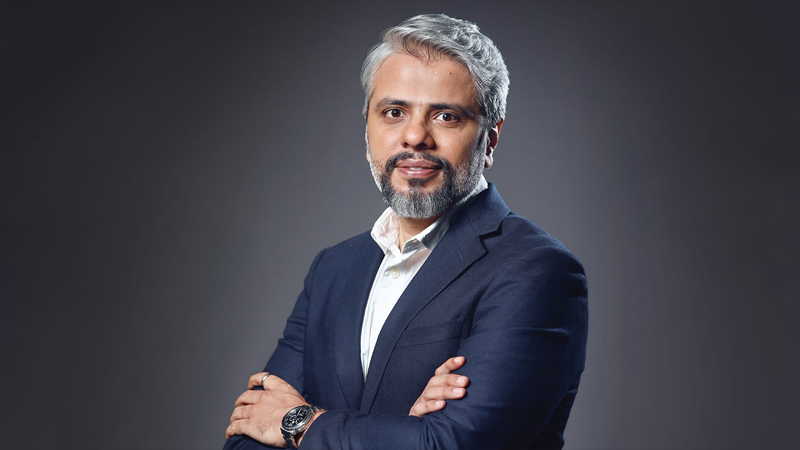
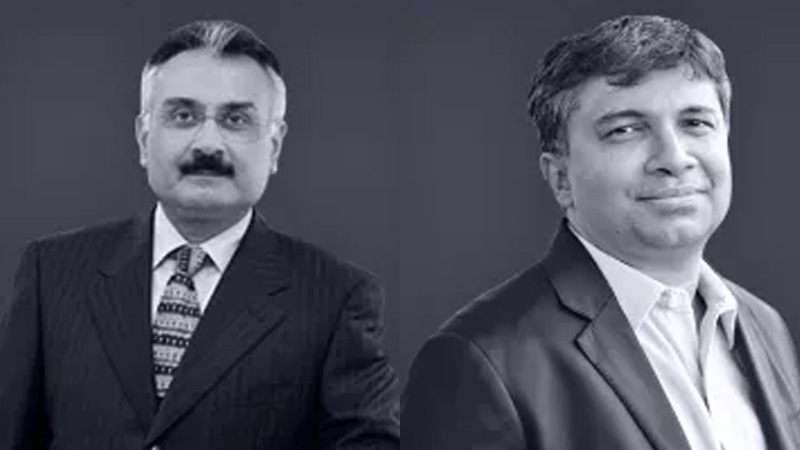
Gurugram: Delhivery’s boardroom is being reset. Deepak Kapoor, chairman and independent director, has resigned with effect from April 1 as part of a planned board reconstitution, the logistics company said in an exchange filing. Saugata Gupta, managing director and chief executive of FMCG major Marico and an independent director on Delhivery’s board, has also stepped down.
Kapoor exits after an eight-year stint that included steering the company through its 2022 stock-market debut, a period that saw Delhivery transform from a venture-backed upstart into one of India’s most visible logistics platforms. Gupta, who joined the board in 2021, departs alongside him, marking a simultaneous clearing of two senior independent seats.
“Deepak and Saugata have been instrumental in our process of recognising the need for and enabling the reconstitution of the board of directors in line with our ambitious next phase of growth,” said Sahil Barua, managing director and chief executive, Delhivery. The statement frames the exits less as departures and more as deliberate succession, a boardroom shuffle timed to the company’s evolving scale and strategy.
The resignations arrive amid broader governance recalibration. In 2025, Delhivery appointed Emcure Pharmaceuticals whole-time director Namita Thapar, PB Fintech founder and chairman Yashish Dahiya, and IIM Bangalore faculty member Padmini Srinivasan as independent directors, signalling a tilt towards consumer, fintech and academic expertise at the board level.
Kapoor’s tenure spanned Delhivery’s most defining years, rapid network expansion, public listing and the push towards profitability in a bruising logistics market. Gupta’s presence brought FMCG and brand-scale perspective during a period when ecommerce volumes and last-mile delivery economics were being rewritten.
The twin exits, effective from the new financial year, underscore a familiar corporate rhythm: founders consolidate, veterans rotate out, and fresh voices are ushered in to script the next chapter. In India’s hyper-competitive logistics race, even the boardroom does not stand still.
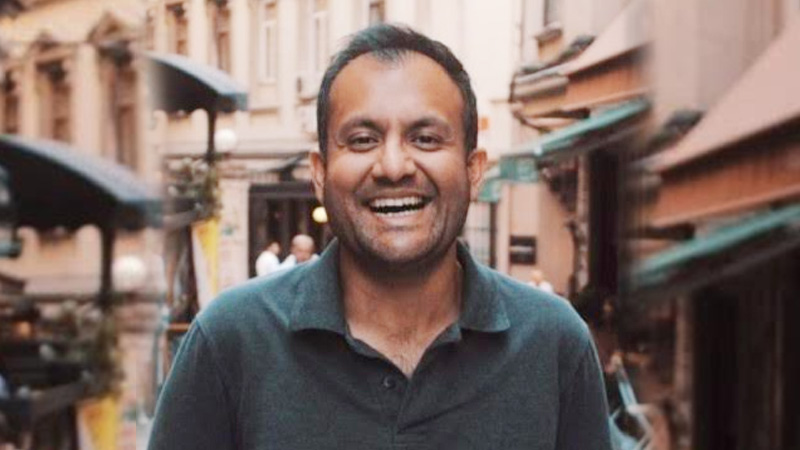
At Locofy.ai, Rao helped convert a three-year free beta into a paid engine, clocking 1,000 subscribers and 15 enterprise clients within ten days of launch in September 2024. The low-code startup, backed by Accel and top tech founders, is famed for turning designs into production-ready code using proprietary large design models.
Before that, Rao founded generative AI venture 1Bstories, which was acquired by creative AI platform Laetro in mid-2024, where he briefly served as managing director for APAC. Alongside operating roles, he has been an active investor and advisor since 2020, backing startups such as BotMD, Muxy, Creator plus, Intellect, Sealed and CricFlex through a creator-economy-led thesis.
Rao spent over eight years at Google, holding senior partnership roles across search, assistant, chrome, web and YouTube in APAC, and earlier cut his teeth in strategy consulting at OC&C in London and investment finance at W. P. Carey in Europe and the US.
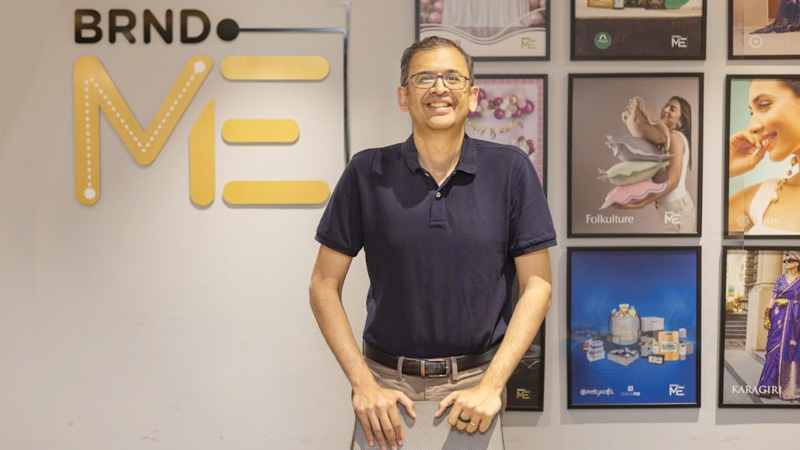
Bengaluru: Brnd.me, the global consumer brands company formerly known as Mensa Brands, has entered the European market following strong momentum across the Middle East, the United States and Canada.
The company has launched across the UK, Germany, France and Spain, with plans to expand into Italy, the Netherlands and Poland over the next year. The push is being led by its haircare and aromatherapy brands, Botanic Hearth and Majestic Pure, marking Brnd.me’s first structured expansion into Europe.
The European beauty market represents a total addressable opportunity of over $4 billion across haircare and aromatherapy, supported by high digital adoption and demand for accessible, performance-led products.
Brnd.me’s hair care and aromatherapy business currently operates at an annual run rate of around $6 million, with Botanic Hearth and Majestic Pure delivering roughly 10 per cent month-on-month growth, driven by expansion and rising repeat demand.
To support regional growth, the company has appointed a general manager based in Germany and is evaluating investments in warehousing and local team expansion.
Early traction has been strong. Within weeks of launch, Botanic Hearth’s rosemary hair oil ranked among the top five hair oils in Germany, signalling strong consumer pull in a competitive market.
Brnd.me founder and chief executive officer Ananth Narayanan, said Europe represents the next phase of the company’s international strategy. He added that the European business is expected to scale to a $10 million annual run rate by the end of 2026, with long-term ambitions to reach $60 million over the next six years.
The company’s Europe strategy centres on digital-first distribution, repeat demand and TikTok-led discovery, alongside direct-to-consumer expansion to strengthen brand equity and margins.
The move also aligns with growing EU–India trade engagement, supporting long-term sourcing and cross-border supply chains.

Netflix celebrates a decade in India with Shah Rukh Khan-narrated tribute film

Delhivery chairman Deepak Kapoor, independent director Saugata Gupta quit board

Meta appoints Anuvrat Rao as APAC head of commerce partnerships

Brnd.me enters Europe as haircare brands power global expansion

TechnoSport taps quick commerce with launch on Slikk’s 60-minute platform

Jitendra Singh joins Reliance Industries as senior vice president, special projects

Tinder brings real-world dating experiences to North East India

These ’90s fashion trends are making a comeback in 2017
The final 6 ‘Game of Thrones’ episodes might feel like a full season
According to Dior Couture, this taboo fashion accessory is back
The old and New Edition cast comes together to perform
Phillies’ Aaron Altherr makes mind-boggling barehanded play
Uber and Lyft are finally available in all of New York State
Disney’s live-action Aladdin finally finds its stars
Netflix celebrates a decade in India with Shah Rukh Khan-narrated tribute film
Delhivery chairman Deepak Kapoor, independent director Saugata Gupta quit board
Meta appoints Anuvrat Rao as APAC head of commerce partnerships
Brnd.me enters Europe as haircare brands power global expansion
TechnoSport taps quick commerce with launch on Slikk’s 60-minute platform
Jitendra Singh joins Reliance Industries as senior vice president, special projects
Tinder brings real-world dating experiences to North East India
-
 iWorld3 months ago
Tips Music turns up the heat with Tamil party anthem Mayangiren
-
 iWorld12 months ago
BSNL rings in a revival with Rs 4,969 crore revenue
-
 I&B Ministry3 months ago
India steps up fight against digital piracy
-
 MAM3 months ago
HoABL soars high with dazzling Nagpur sebut
-

 MAM2 months ago
Best Lightweight Sunscreens for Daily Use in India
-

 MAM3 months ago
Kapil Sethi joins Network18 as head of technology
-

 Digital2 months ago
Webinar unpacks how influencers turn attention into action
-

 Brands2 months ago
SRK’s shade upgrade as D’YAVOL X unveils first luxury eyewear line