
MAM
Third-Party Vs Comprehensive Car Insurance: Full Comparison For Indian Drivers


Choosing between third-party car insurance and comprehensive cover can feel confusing because both sit under “motor insurance,” yet they are built for different kinds of risk.
If you’re planning a car insurance renewal, this is a good moment to match your cover to how you actually drive, park, and maintain your car, rather than renewing on autopilot.
This comparison is written for Indian drivers and uses everyday, on-road realities to explain where each option tends to help, where it may fall short, and what to look for before you pay.
Quick Difference At A Glance
At a high level, third-party cover is usually centred on your legal responsibility towards others, while comprehensive cover typically combines third-party protection with cover for your own car (subject to terms).
Here’s the simplest way to view it:
● Third party car insurance usually focuses on liability for injury, death, or damage caused to others
● Comprehensive cover usually includes third-party liability and may also cover damage to your own car and other risks, depending on the policy
What Third-Party Car Insurance Usually Covers
Third-party cover is generally structured around legal liability. It tends to respond when a third party suffers harm, and there is a legal obligation to compensate, subject to the policy wording and process.
Third-Party Injury Or Death Liability
If an accident involving your car leads to injury or death of another person, third-party cover typically addresses the liability that may arise through formal channels.
This is often linked to:
● Legal liability arising from bodily injury
● Legal liability arising from death
● Claim processes that rely on documentation and legal steps
Third-Party Property Damage
If your car damages someone else’s vehicle or property, third-party cover usually includes a property damage component, typically with conditions and limits mentioned in the policy documents.
It often relates to:
● Damage to another vehicle
● Damage to physical property, such as gates, walls, or roadside assets
Legal Defence And Claim Support
Many third-party policies are designed to support legal defence and claims handling, where applicable. How this works can depend on the policy conditions and the way the incident is reported and documented.
What Third-Party Car Insurance Usually Does Not Cover
This is where drivers feel the gap most clearly. Third-party car insurance is commonly not meant to pay for repairing your own car, because it is designed primarily for third-party liability.
Areas that are usually outside third-party cover include:
● Damage to your own car in an accident
● Theft of your car
● Fire-related damage to your car
● Damage from natural events affecting your car
● Claims linked to restricted usage, such as organised racing or speed testing, if excluded under policy terms
For your own vehicle damage, drivers often look at comprehensive cover or an own-damage arrangement, depending on what’s available and suitable.
What Comprehensive Cover Usually Adds
Comprehensive cover is often seen as “broader” because it typically goes beyond liability towards others. In many cases, it includes third-party protection and may also cover your own car against a range of risks, subject to inclusions, exclusions, and conditions.
Common areas comprehensive policies may include:
● Own-damage cover for accidental damage to your car
● Theft protection, based on defined conditions
● Fire-related losses, based on defined conditions
● Natural event-related damage, depending on wording and inclusions
● Optional add-ons, where available, that can tailor protection to your usage
The practical takeaway for car insurance renewal is this: comprehensive cover is often chosen when repair costs, theft risk, or daily driving exposure feel high enough that third-party-only protection feels too narrow.
Third-Party Vs Comprehensive: Side-By-Side Comparison
This table is meant to help you decide based on real driving needs, not just pricing talk.

How To Choose Based On Your Driving Pattern
The “right” cover often depends less on the car’s badge and more on how you use it every week. When you approach car insurance renewal, think about your exposure: where you drive, where you park, and what a bad day on the road could cost you.
Here are practical filters many drivers use:
● If your car is driven frequently in dense traffic, you may prefer coverage that includes your own damage risk
● If your car is parked on the street or in open lots often, you may lean towards broader protection for theft or damage risk
● If your car is used sparingly and repair costs feel manageable, third-party-only cover may feel adequate for your comfort level
● If you travel on highways regularly, you may value the extra cushion that comes with wider coverage
Car Insurance Renewal: What To Review Before You Pay
Renewal is not just about avoiding a lapse; it’s also your easiest opportunity to correct details and align cover with your current usage. A short review can prevent confusion later during documentation checks or claims.
Before you confirm car insurance renewal, it usually helps to look at:
● Whether you’re renewing third-party car insurance only or a comprehensive plan
● Your vehicle and personal details (registration, name spelling, and address)
● The “limitations as to use” section, so your usage matches the policy
● The exclusions list, especially those that commonly cause claim disputes
● Add-ons (if any) and whether you still need them
Conclusion
Third-party car insurance usually centres on liability towards others, while comprehensive cover typically expands protection to include your own car for covered events and conditions. The best choice often depends on your driving frequency, parking exposure, and comfort with repair risk. When car insurance renewal comes up, treat it as a short annual review: understand what your policy is designed to do, where it may not respond, and whether your current driving life still matches the cover you’re paying for.
MAM
Nielsen launches co-viewing pilot to sharpen TV measurement
Super Bowl pilot to refine how shared TV audiences are counted
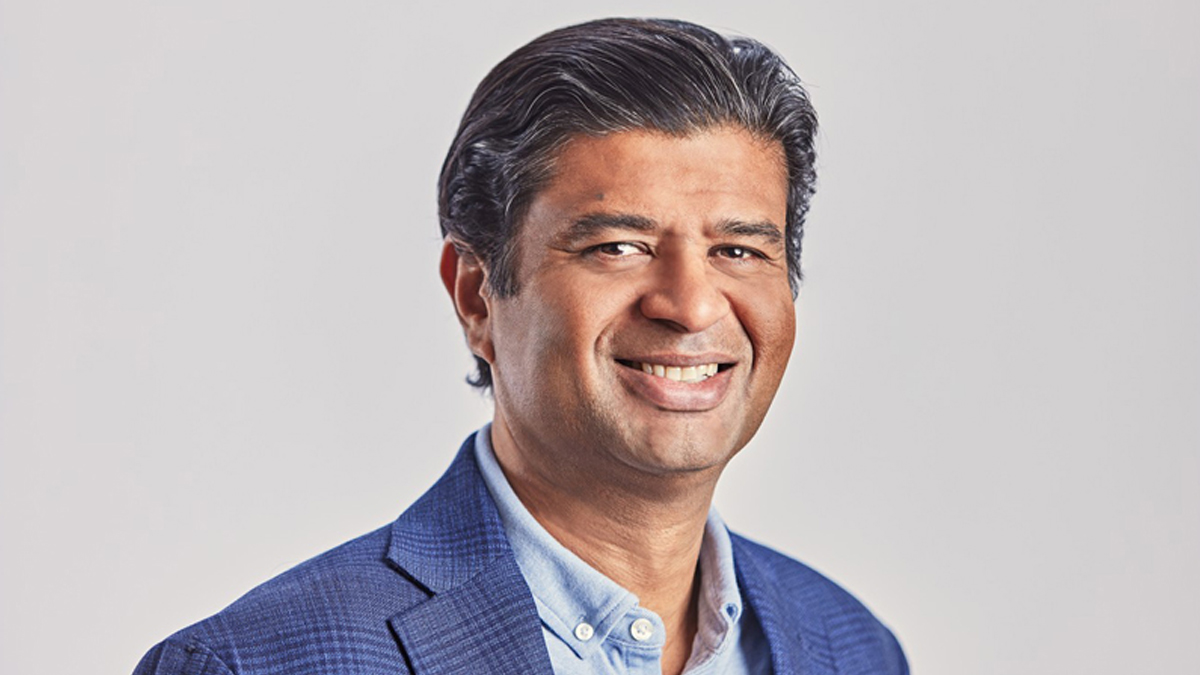
MUMBAI: Nielsen is taking a fresh stab at one of television’s oldest blind spots: how many people are actually watching the same screen. The audience-measurement giant on February 4 unveiled a co-viewing pilot that uses wearable devices to better capture shared viewing, starting with America’s biggest broadcast stage.
The trial begins with Super Bowl LX on NBC on February 8, 2026, before extending to other high-profile live sports and entertainment events in the first half of the year. The goal is simple but commercially potent: count viewers more accurately, especially during live spectacles that pull families and friends to one screen.
The new approach leans on Nielsen’s proprietary wearable meters, wrist-worn devices that resemble smartwatches. These passively capture audio signatures from TV content, logging exposure to shows, films and live events without requiring viewers to sign in or self-report. In theory, fewer clicks, fewer lapses, better data.
Karthik Rao, Nielsen’s ceo, cast the move as part of a broader measurement push. He said the company’s task is to keep pushing accuracy as clients invest heavily in live programming that draws mass audiences. The co-viewing pilot, he added, builds on upgrades such as Big Data + Panel measurement, out-of-home expansion, live-streaming metrics and wearable-based tracking.
Co-viewing is not new territory for Nielsen, which has long tried to estimate how many people sit before a single set. What is new is the heavier integration of wearables and passive detection to reduce reliance on active inputs from panel homes.
For now, the pilot comes with caveats. Co-viewing estimates from the trial will not be folded into Nielsen’s Big Data + Panel ratings, which remain the industry’s trading currency. Instead, pilot findings will be shared with clients a few weeks after final Big Data + Panel ratings are delivered. Clients may disclose those findings publicly.
More impact data will follow later this year. Full integration into Nielsen’s marketing-intelligence suite is slated as a longer-term play, with a target of bringing co-viewing into currency measurement for the 2026–2027 season. This is only phase one, with further co-viewing enhancements planned beyond 2026 and additional timelines to be announced.
The push fits a wider pattern. Nielsen has in recent years expanded big-data integration, adopted first-party data for live-streaming measurement and broadened out-of-home tracking. It also positions itself as the reference point for streaming metrics through products such as The Gauge and the Nielsen Streaming Top 10.
In a market where billions of ad dollars hinge on decimal points, counting who is in the room matters. If Nielsen can pin down shared viewing, the humble sofa could become prime measurement real estate. The race to count every eyeball just found a new wrist to watch.
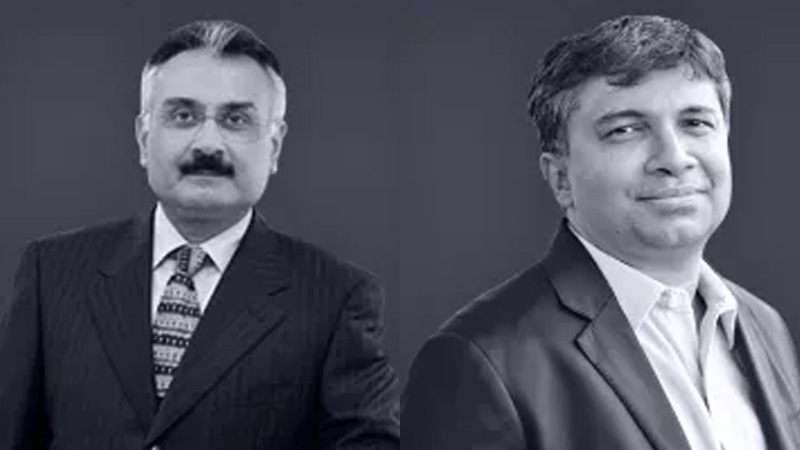
Gurugram: Delhivery’s boardroom is being reset. Deepak Kapoor, chairman and independent director, has resigned with effect from April 1 as part of a planned board reconstitution, the logistics company said in an exchange filing. Saugata Gupta, managing director and chief executive of FMCG major Marico and an independent director on Delhivery’s board, has also stepped down.
Kapoor exits after an eight-year stint that included steering the company through its 2022 stock-market debut, a period that saw Delhivery transform from a venture-backed upstart into one of India’s most visible logistics platforms. Gupta, who joined the board in 2021, departs alongside him, marking a simultaneous clearing of two senior independent seats.
“Deepak and Saugata have been instrumental in our process of recognising the need for and enabling the reconstitution of the board of directors in line with our ambitious next phase of growth,” said Sahil Barua, managing director and chief executive, Delhivery. The statement frames the exits less as departures and more as deliberate succession, a boardroom shuffle timed to the company’s evolving scale and strategy.
The resignations arrive amid broader governance recalibration. In 2025, Delhivery appointed Emcure Pharmaceuticals whole-time director Namita Thapar, PB Fintech founder and chairman Yashish Dahiya, and IIM Bangalore faculty member Padmini Srinivasan as independent directors, signalling a tilt towards consumer, fintech and academic expertise at the board level.
Kapoor’s tenure spanned Delhivery’s most defining years, rapid network expansion, public listing and the push towards profitability in a bruising logistics market. Gupta’s presence brought FMCG and brand-scale perspective during a period when ecommerce volumes and last-mile delivery economics were being rewritten.
The twin exits, effective from the new financial year, underscore a familiar corporate rhythm: founders consolidate, veterans rotate out, and fresh voices are ushered in to script the next chapter. In India’s hyper-competitive logistics race, even the boardroom does not stand still.
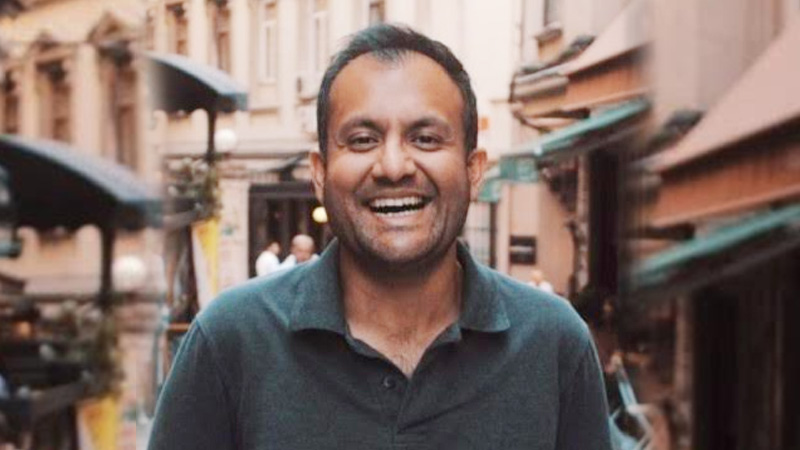
At Locofy.ai, Rao helped convert a three-year free beta into a paid engine, clocking 1,000 subscribers and 15 enterprise clients within ten days of launch in September 2024. The low-code startup, backed by Accel and top tech founders, is famed for turning designs into production-ready code using proprietary large design models.
Before that, Rao founded generative AI venture 1Bstories, which was acquired by creative AI platform Laetro in mid-2024, where he briefly served as managing director for APAC. Alongside operating roles, he has been an active investor and advisor since 2020, backing startups such as BotMD, Muxy, Creator plus, Intellect, Sealed and CricFlex through a creator-economy-led thesis.
Rao spent over eight years at Google, holding senior partnership roles across search, assistant, chrome, web and YouTube in APAC, and earlier cut his teeth in strategy consulting at OC&C in London and investment finance at W. P. Carey in Europe and the US.

Mukesh Ambani, Larry Fink come together for CNBC-TV18 exclusive

Nielsen launches co-viewing pilot to sharpen TV measurement

Netflix celebrates a decade in India with Shah Rukh Khan-narrated tribute film

Delhivery chairman Deepak Kapoor, independent director Saugata Gupta quit board

Meta appoints Anuvrat Rao as APAC head of commerce partnerships

Brnd.me enters Europe as haircare brands power global expansion

TechnoSport taps quick commerce with launch on Slikk’s 60-minute platform

These ’90s fashion trends are making a comeback in 2017
The final 6 ‘Game of Thrones’ episodes might feel like a full season
According to Dior Couture, this taboo fashion accessory is back
The old and New Edition cast comes together to perform
Phillies’ Aaron Altherr makes mind-boggling barehanded play
Uber and Lyft are finally available in all of New York State
Disney’s live-action Aladdin finally finds its stars
Mukesh Ambani, Larry Fink come together for CNBC-TV18 exclusive
Nielsen launches co-viewing pilot to sharpen TV measurement
Netflix celebrates a decade in India with Shah Rukh Khan-narrated tribute film
Delhivery chairman Deepak Kapoor, independent director Saugata Gupta quit board
Meta appoints Anuvrat Rao as APAC head of commerce partnerships
Brnd.me enters Europe as haircare brands power global expansion
TechnoSport taps quick commerce with launch on Slikk’s 60-minute platform
-
 iWorld4 days ago
Netflix celebrates a decade in India with Shah Rukh Khan-narrated tribute film
-
 I&B Ministry3 months ago
India steps up fight against digital piracy
-
 iWorld3 months ago
Tips Music turns up the heat with Tamil party anthem Mayangiren
-
 iWorld12 months ago
BSNL rings in a revival with Rs 4,969 crore revenue
-
 MAM3 months ago
HoABL soars high with dazzling Nagpur sebut
-

 News Broadcasting2 months ago
CNN-News18 dominates Bihar election coverage with record viewership
-

 MAM3 months ago
Kapil Sethi joins Network18 as head of technology
-

 eNews2 months ago
Aarohi crosses Rs 1,000 crore as women-led credit gathers pace