Content Hub
The Content Hub: Education in comedy doesn’t exist in India


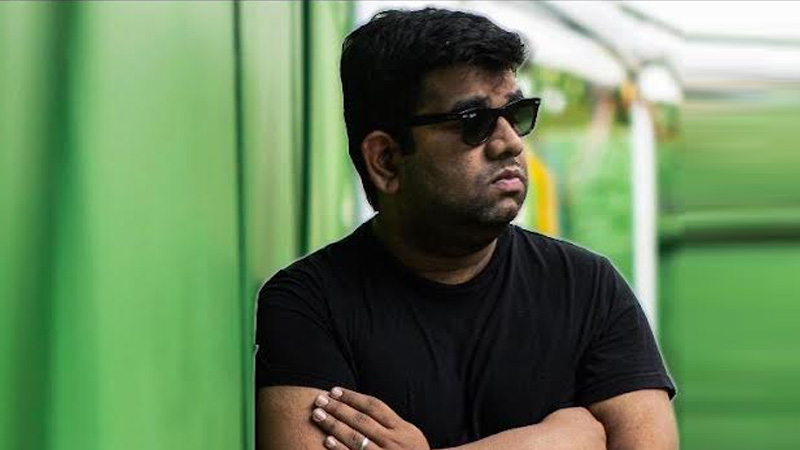
MUMBAI: With the soaps and dramas ruling the Indian television screens, comedy to some extent has taken a backseat. A session on ‘Comedy Fix’ moderated by Indiantelevision.com’s founder, CEO and editor in chief Anil Wanvari and panellists Neela Telefilms director Asit Modi, Optimystix Entertainment producer Vipul D Shah and All India Bakchod (AIB) co-founder and member Tanmay Bhat sought to find if the TV industry is seeing a dearth of writing talent.
Modi said that in the field of comedy there is not only shortage of writers but producers as well. “Our industry is not ready for new writers. We have a closed mindset when it comes to new writers and tend to only work with a particular set of experienced ones. We don’t give an opportunity to explore,” he said.
Bhat went on to reason why new writers are not accepted by the industry and what today’s writing lacks. According to him the current state of television writing is very generic. “Right from actors to producers to writers, I have seen ‘just-get-it-done’ kind of attitude where originality doesn’t matter but copy pasting does. In my early days, when I used to meet television writers one common thing that I noticed amongst them was that they all had a set pattern of writing in a number of shows,” he elaborated.
All the panellists felt that in today’s time everything is scripted and agreed that the attitude towards writing is very poor which needs to be changed.
Shah highlighted right from the beginning there were no new writers created for TV but the ones making the films ended up writing for the small screen too. According to him, it is difficult to get innovative story writers because it is demanding. “Today, television writing, whether fiction or non-fiction, has a set of dos and don’ts because a channel can demand a change in the plot anytime and we as writers have to be also on our toes to fix it.”

He went on to say that western formats can never be adopted in India. “Our humour is completely different from the genre abroad. We can’t present dirty comedy here because it will never be accepted. So, to bring the humour, which can be accepted by Indian audiences, we have to create our own talent, which is again very difficult.”
According to Modi, whose Taarek Mehta Ka Ooltah Chashmah has been running successfully for more than six years, writing a daily comedy is not only a challenge but a task. It is not only the writer’s responsibility to make the show going but the entire teams. “You not only need a good writer but a good performer also. And after getting a good performer/actor, one needs a good producer who can bridge the gap.”
Showing the silver lining in the cloud, Bhat said that thankfully now humour has started getting the respect it deserves. According to him, comedy education doesn’t exist in India. “We compare ourselves to the shows in the US. But we also have to look at the kind of education and training they have gone through. All writer/comedians one sees in their shows have all gone through a certain level of training. This doesn’t exist in India.”
The panellists agree that Indian television has always accepted family comedies and this is what will continue in the future as well. From shows like Dekh Bhai Dekh to Khichdi to Sarabhai vs. Sarabhai, they all have catered to the masses.
Is there fatigue coming in comedy? “No, not at all,” said both Modi and Shah. “There will be always space for comedy. Shows like Comedy Nights with Kapil, Comedy Circus, are making everyone laugh today. And everyone loves to laugh, so comedy is and will always be audience’s first choice,” added Modi.
Wanvari further delved to find out that apart from family comedies if there is a room for sitcoms on television? “It will change, because comedy has just started its journey. I am seeing a lot of scope as more comedy channels are being launched. In comedy more than the story, character development is important. So once the characters are developed, the task will be simple,” said Modi.
According to Shah, whose Comedy Circus ran for seven and half years, a show never feels the fatigue. “Yes, at times a few episodes works and a few don’t. Comedy sometimes backfires as well. But overall as a genre, there is no fatigue coming in,” he further said.
Coming from a digital background, Bhat feels that television needs to start catering to the youth a lot more. “They are still catering to the families and not the youth. So, young people will stop watching television at some point of time unless channels keep re-inventing.”
As for Bhat, re-invention should start from the writers’ room. “I don’t see enough young people picked up from the colleges and groomed. It is essential to grab someone at 16 and groom them to get good comedy in place. Any college kid would want to write for television but there are no platforms.”




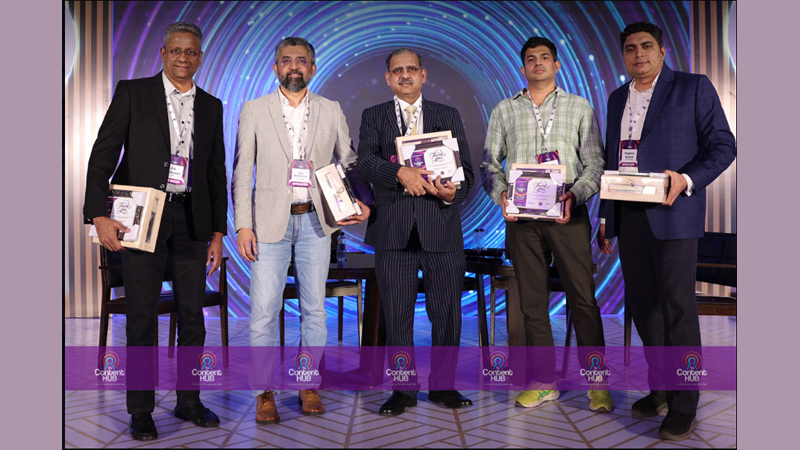
Mumbai: Exploring the shift from regional to national content, this synopsis delves into the trends and challenges. It navigates the transformation, analyzing industry dynamics, emerging trends, and the hurdles faced. From preserving regional variation to adapting to a broader audience, it examines the multifaceted journey of regional content evolving into a national narrative. In what ways do the emerging trends and challenges influence the dynamics of the entertainment industry during this transition? How can creators navigate these changes effectively? What strategic approaches can content creators adopt to strike a balance between maintaining regional identity and fostering a cohesive national narrative in their work? How can the transition from ‘regional’ to ‘national content’ impact cultural diversity within the entertainment industry, and what measures can be taken to ensure the preservation of regional variation?
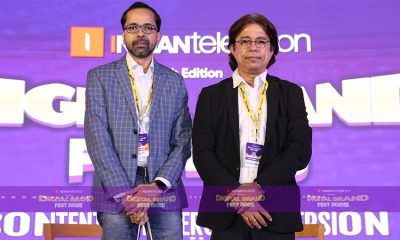
In a rapidly evolving media landscape, seasoned industry professionals have offered valuable insights into the transformation of content consumption and production. The session was chaired by Ernst and Young partner Raghav Anand, MMTV chief executive officer P.R. Satheesh, Sony Marathi business head Ajay Bhalwankar, PTC Network chairman & MD Rabindra Narayan, Shemaroo Entertainment COO, Digital, Saurabh Srivastava esteemed voices in the field, have articulated their perspectives on the burgeoning shift towards globalised content.
Rabindra Narayan emphasised the dissolution of regional boundaries in content consumption, attributing it to the accessibility facilitated by global platforms and connectivity options. He predicts a future where language barriers will fade, citing the potential of technology to clone and adapt voices, thus enabling seamless localization across languages.
Saurabh highlighted the democratisation of content creation in the digital era, underscoring its empowerment and revenue potential, particularly in linguistically diverse markets like India. He emphasizes the value of culturally rooted storytelling in filling gaps in content supply, with technology enabling effective monetization, especially through OTT platforms.
Ajay Bhalwan sheds light on the evolving landscape of Hindi and regional language content, noting a significant shift where a substantial portion of content on Hindi film channels originates from regional languages. He accentuates the importance of language in enhancing authenticity and audience engagement, exemplified by the strong resonance of Marathi content in Maharashtra.
PR Satheesh underscored the paramount importance of content quality in driving viewership and transcending language barriers. Drawing parallels with the global popularity of Korean dramas, he advocates for leveraging technology, including AI and real-time translations, to enhance content creation and distribution.
These insightful perspectives collectively echoed the industry’s adaptation to a globalised content landscape, where technology catalyzes innovation and accessibility. As content continues to evolve, these experts offered valuable guidance on navigating the dynamic media landscape and maximizing the impact of storytelling in diverse markets worldwide.
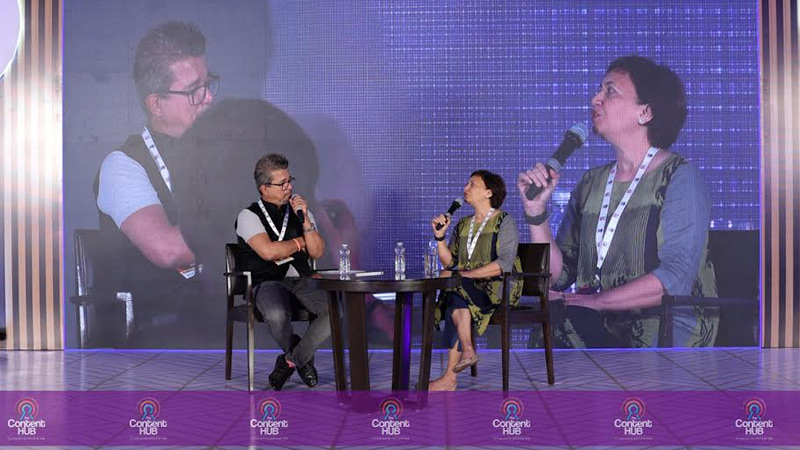
Mumbai: The eighth edition of The Content Hub Summit delves into the ever-changing world of content creation. With the consolidation of platforms, creators face new hurdles in gaining visibility, maximizing revenue, and maintaining creative freedom. The event also explored the remarkable theatrical success of Indian cinema and unraveled the secrets behind its unprecedented profits, with a critical eye towards its sustainability.
The fireside chat saw Indiantelevision.com group founder, chairman & editor-in-chief Anil NM Wanvari in conversation with India GreenSet CEO & co-founder Anupama Mandloi.
They discussed the critical importance of sustainability in content creation, especially in India, which leads in volume. They highlighted the industry’s potential for influence and the necessity to adapt to climate change. Mandloi emphasized the need for sustainable practices, citing examples like the Mumbai floods’ impact on business.
Wanvari proposed initiatives like eliminating single-use plastics at events and forming industry alliances for sustainable standards. They emphasized the shift toward sustainability as a cultural change, stressing the industry’s collective responsibility and the need for unity to overcome hurdles.
Mandloi suggested practical steps individuals can take, urging a bottom-up approach to drive the sustainability revolution.
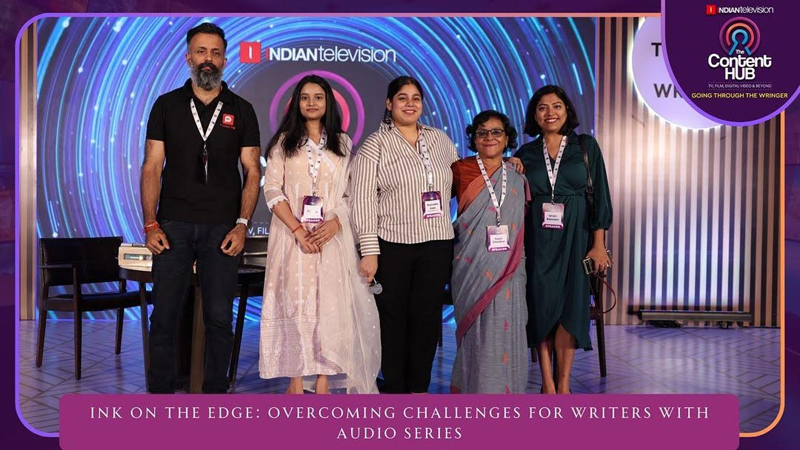
Mumbai: The eighth edition of The Content Hub Summit delved into the ever-changing world of content creation. With the consolidation of platforms, creators face new hurdles in gaining visibility, maximising revenue, and maintaining creative freedom. The event also explored the remarkable theatrical success of Indian cinema and unraveled the secrets behind its unprecedented profits, with a critical eye towards its sustainability.
The session was chaired by Radioandmusic.com editor Namrata Kale. It included the following panelists: writer & director Pubali Chaudhuri, screenwriter Ishani Banerjee, Majburi Main Bandha Ek Rishta writer Jigyasa and Pocket FM head – branding and communications Vineet Singh.
The panel discussion shed light on the challenges writers face in the audio, film, and OTT industries, stressing the need for recognition, fair contracts, and empowerment.
Pubali emphasized the need to acknowledge writers’ contributions and improve revenue sharing, while Ishani highlighted the significance of contracts, credits, and acknowledgment in empowering writers. Vineet outlined Pocket FM’s initiatives to empower writers globally with equitable revenue-sharing models, while Jigyasa shared her journey of discovering writing talent during the lockdown and finding success with Pocket FM.
In conclusion, the panel underscored the industry’s commitment to addressing the challenges faced by writers and providing platforms like Pocket FM to showcase diverse narratives.


MIB sets OTT accessibility rules, mandates captions and audio description

Boney Kapoor acquires remake rights of Tamil political satire Thalaivar Thambi Thalaimaiyil

Netflix India names Rekha Rane director of films and series marketing

Zabeen signs off from TV9 after shaping the network’s public voice

Dhawan steps up to bat for Delhi’s grassroots sports push

Orient Beverages pops the fizz with steady Q3 gains and rising profits

Cheekatilo shines in the dark with record debut on Prime Video

These ’90s fashion trends are making a comeback in 2017
The final 6 ‘Game of Thrones’ episodes might feel like a full season
According to Dior Couture, this taboo fashion accessory is back

Swiggy Instamart’s GOV surges 103 per cent year on year to Rs 7,938 crore
The old and New Edition cast comes together to perform
Phillies’ Aaron Altherr makes mind-boggling barehanded play
Uber and Lyft are finally available in all of New York State
MIB sets OTT accessibility rules, mandates captions and audio description
Boney Kapoor acquires remake rights of Tamil political satire Thalaivar Thambi Thalaimaiyil
Netflix India names Rekha Rane director of films and series marketing
Zabeen signs off from TV9 after shaping the network’s public voice
Dhawan steps up to bat for Delhi’s grassroots sports push
Orient Beverages pops the fizz with steady Q3 gains and rising profits
Cheekatilo shines in the dark with record debut on Prime Video
-
 e-commerce3 weeks ago
Swiggy Instamart’s GOV surges 103 per cent year on year to Rs 7,938 crore
-

 News Headline2 months ago
From selfies to big bucks, India’s influencer economy explodes in 2025
-

 News Broadcasting2 weeks ago
Mukesh Ambani, Larry Fink come together for CNBC-TV18 exclusive
-
 iWorld5 months ago
Billions still offline despite mobile internet surge: GSMA
-

 News Headline2 months ago
2025: The year Indian sports saw chaos, comebacks, and breakthroughs
-
 News Headline2 months ago
Game on again as 2025 powers up a record year and sets the stage for 2030
-
 MAM2 years ago
Costa Coffee becomes official coffee partner of Olympic Games Paris 2024
-

 Applications2 months ago
28 per cent of divorced daters in India are open to remarriage: Rebounce